
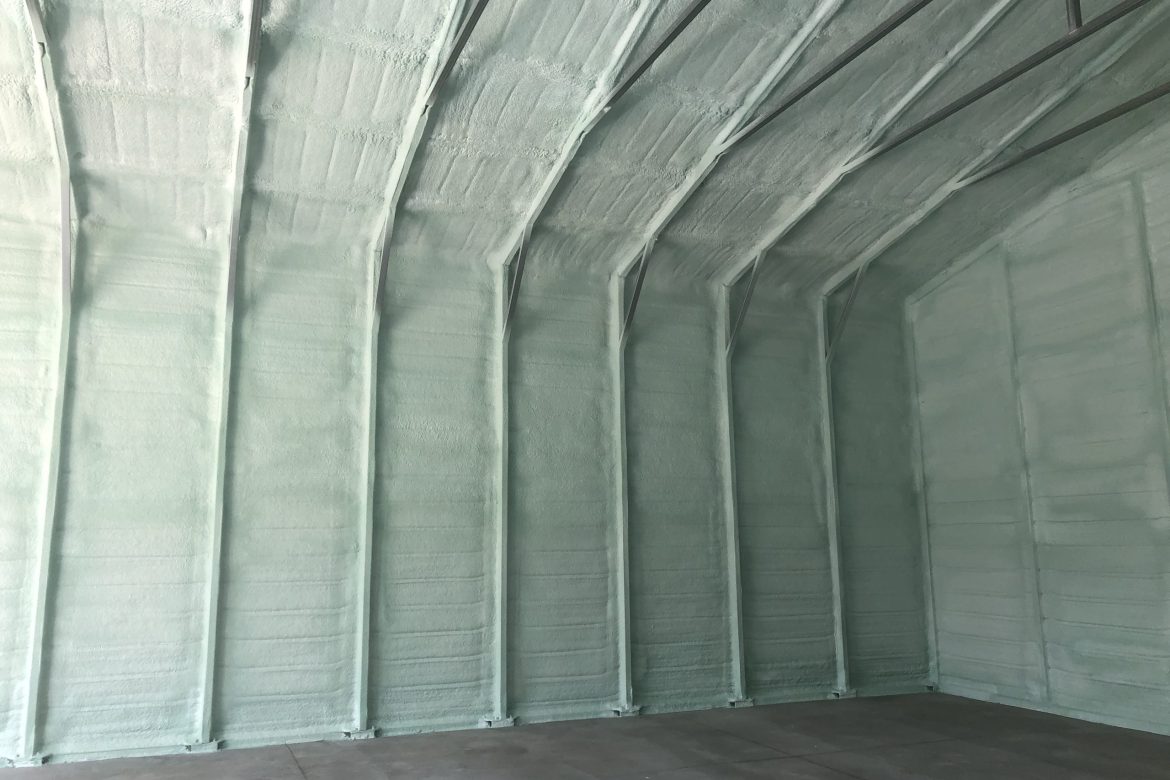
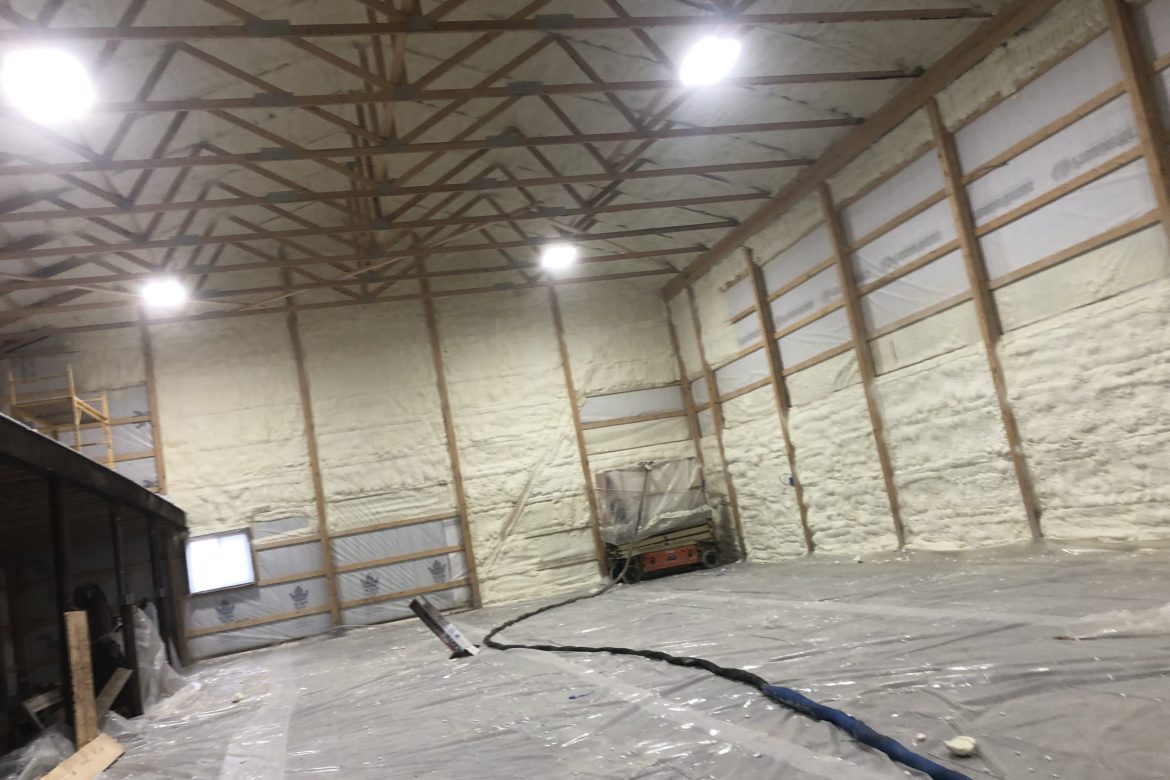
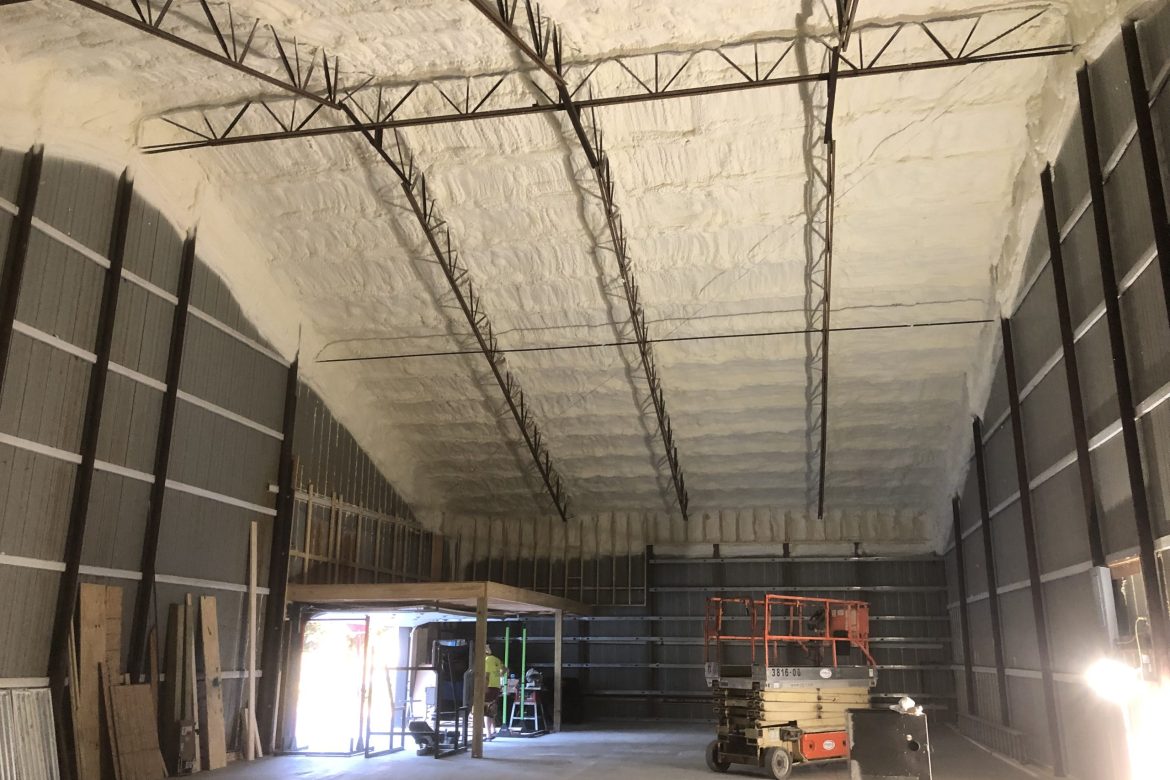
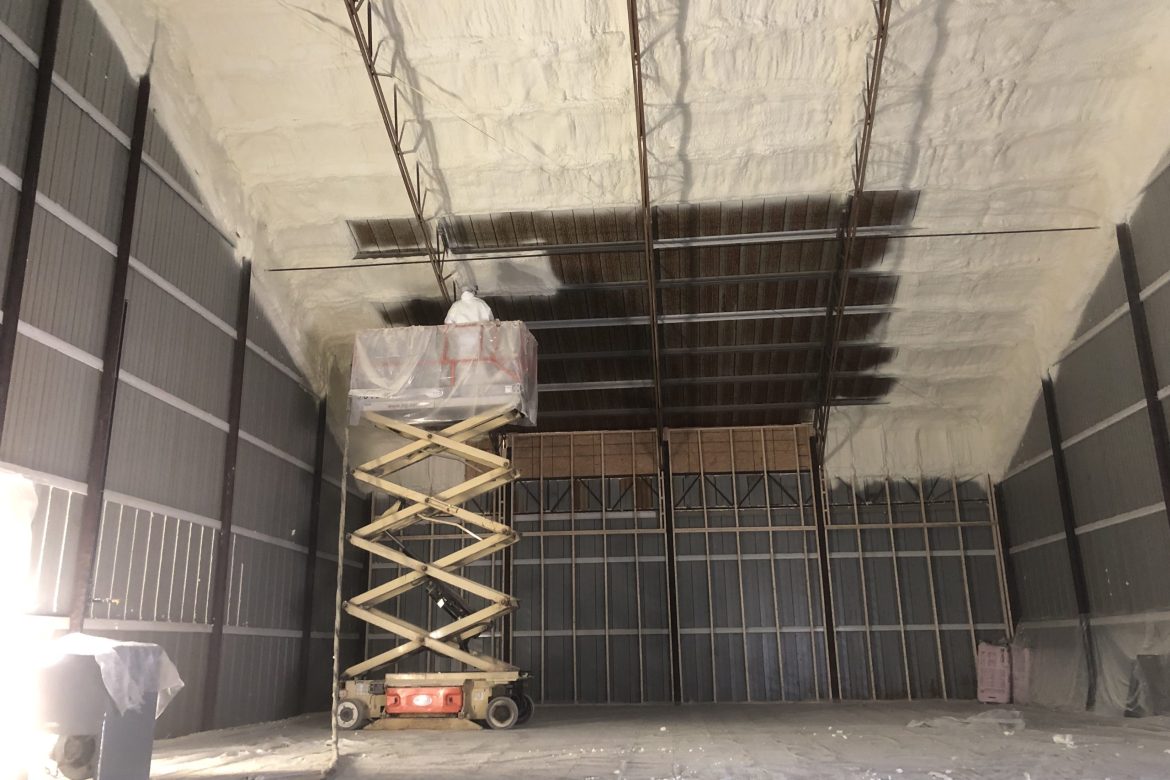
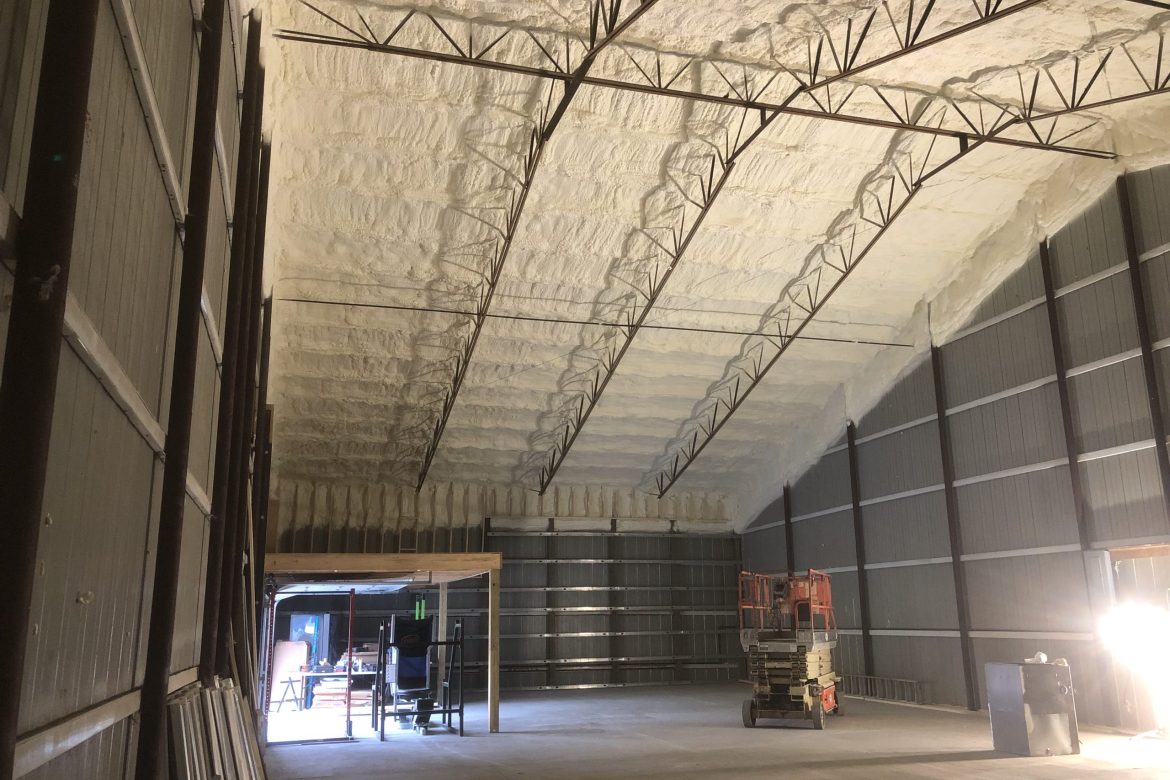
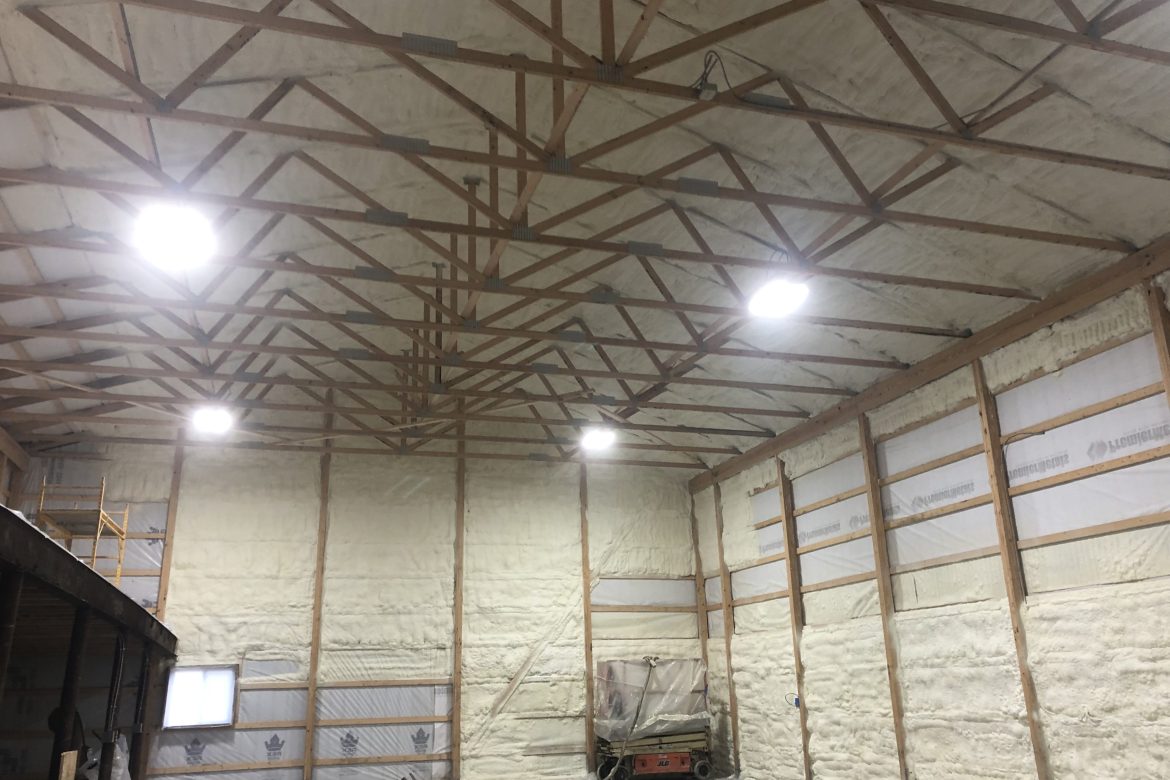
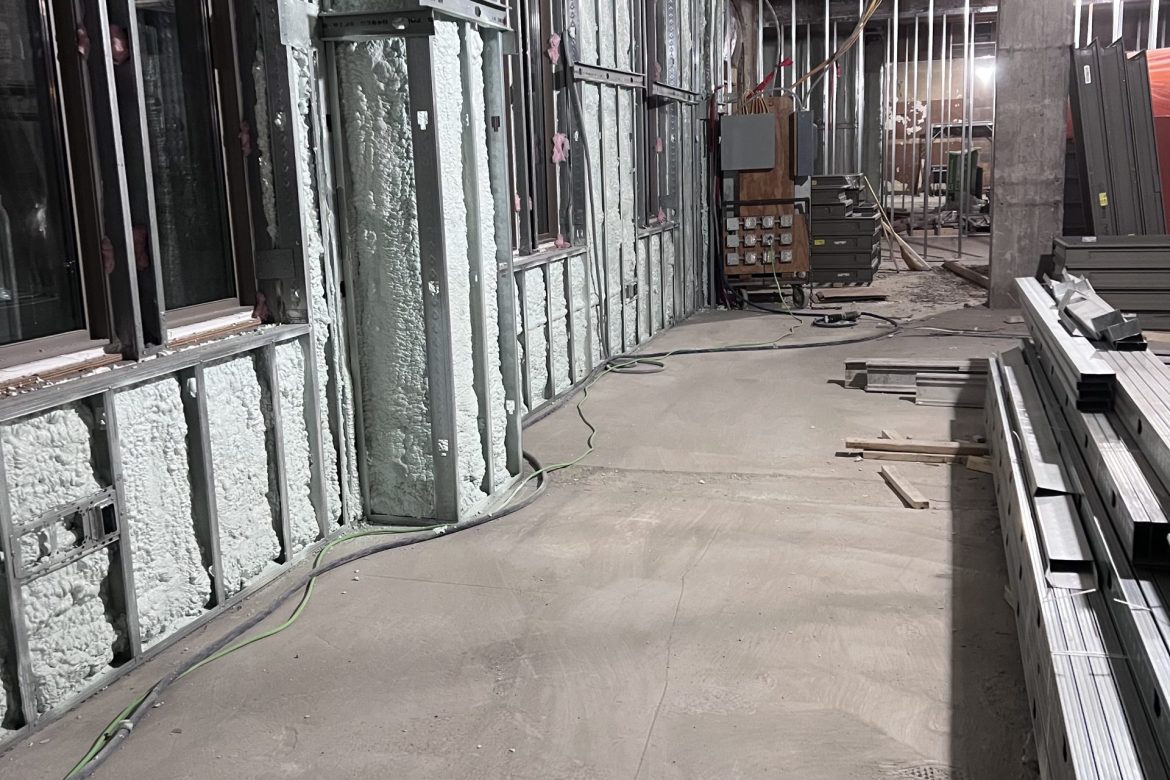
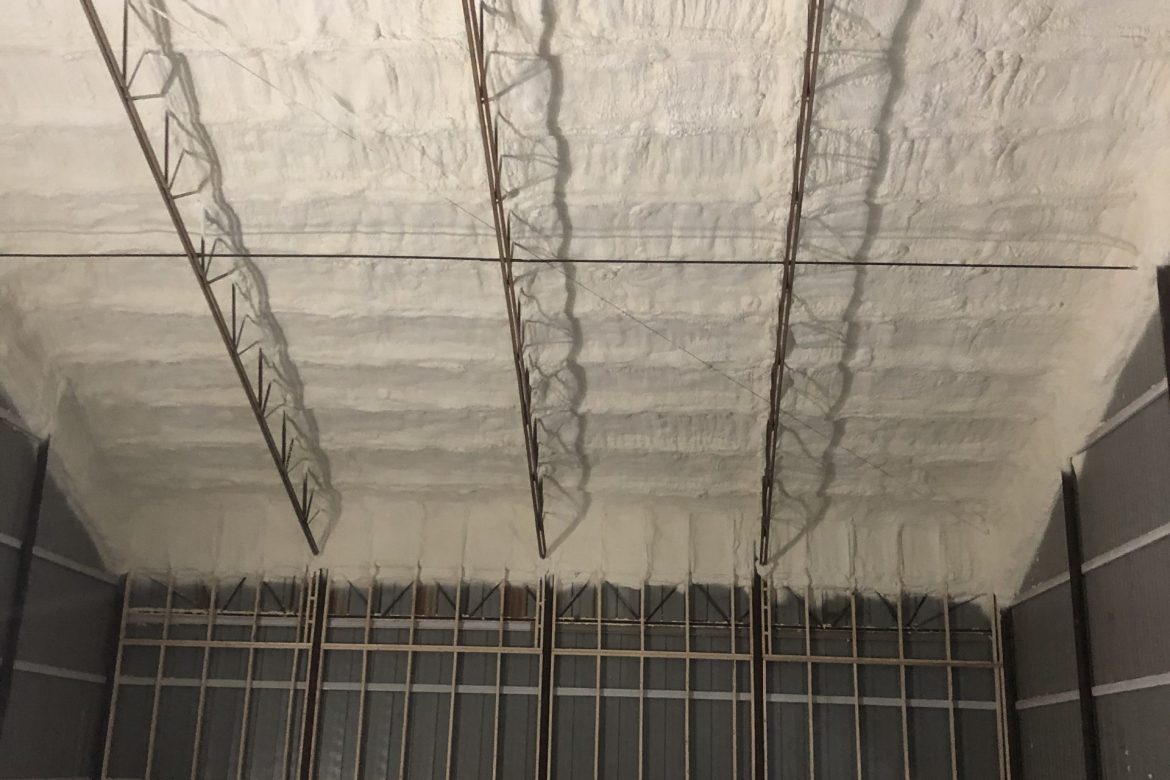
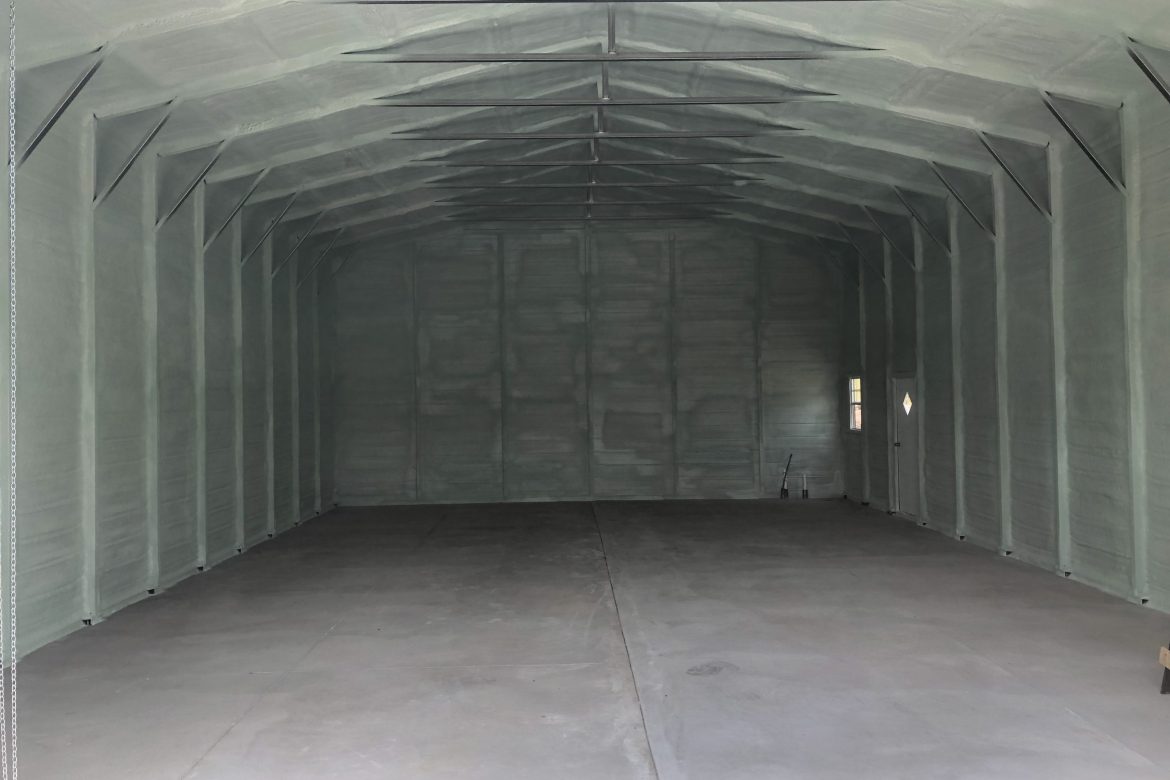
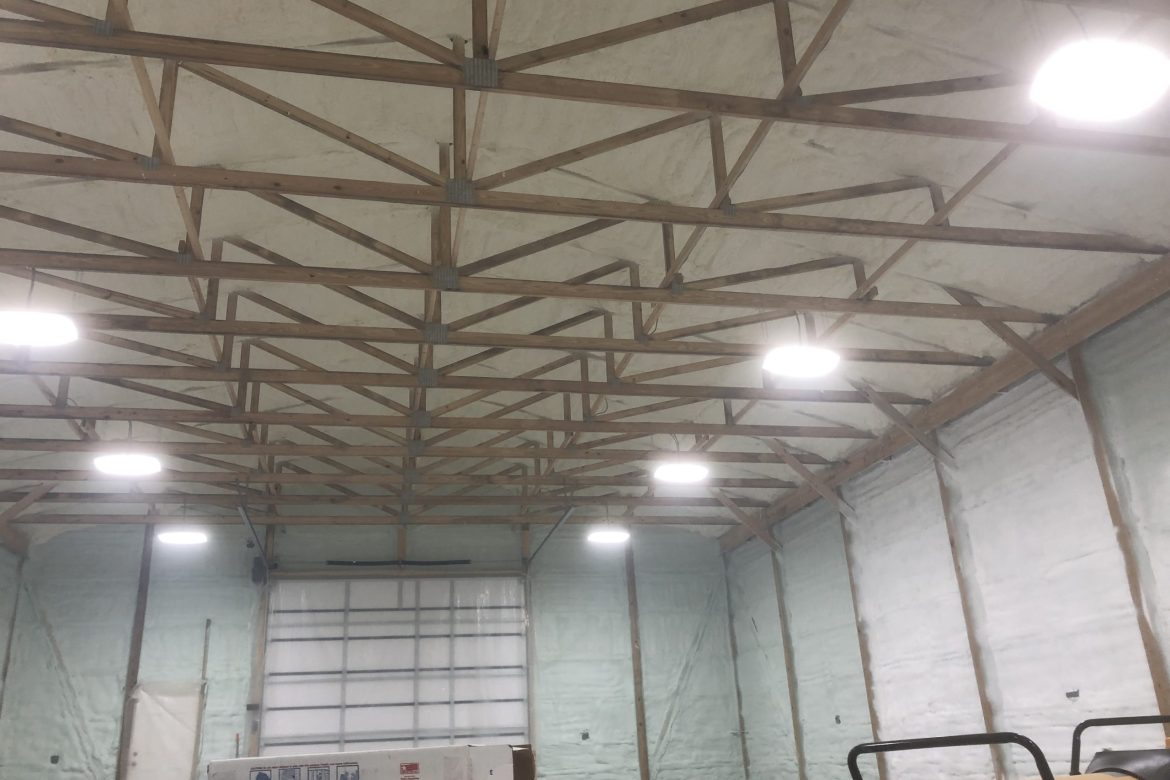
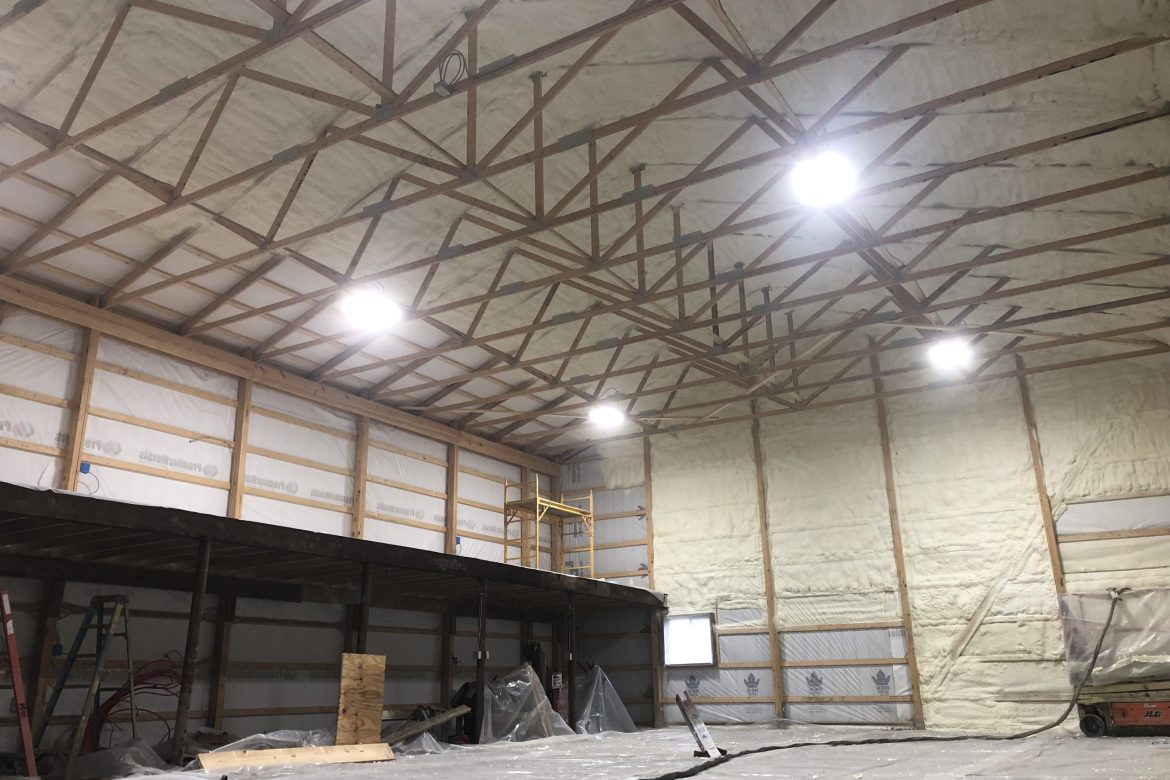
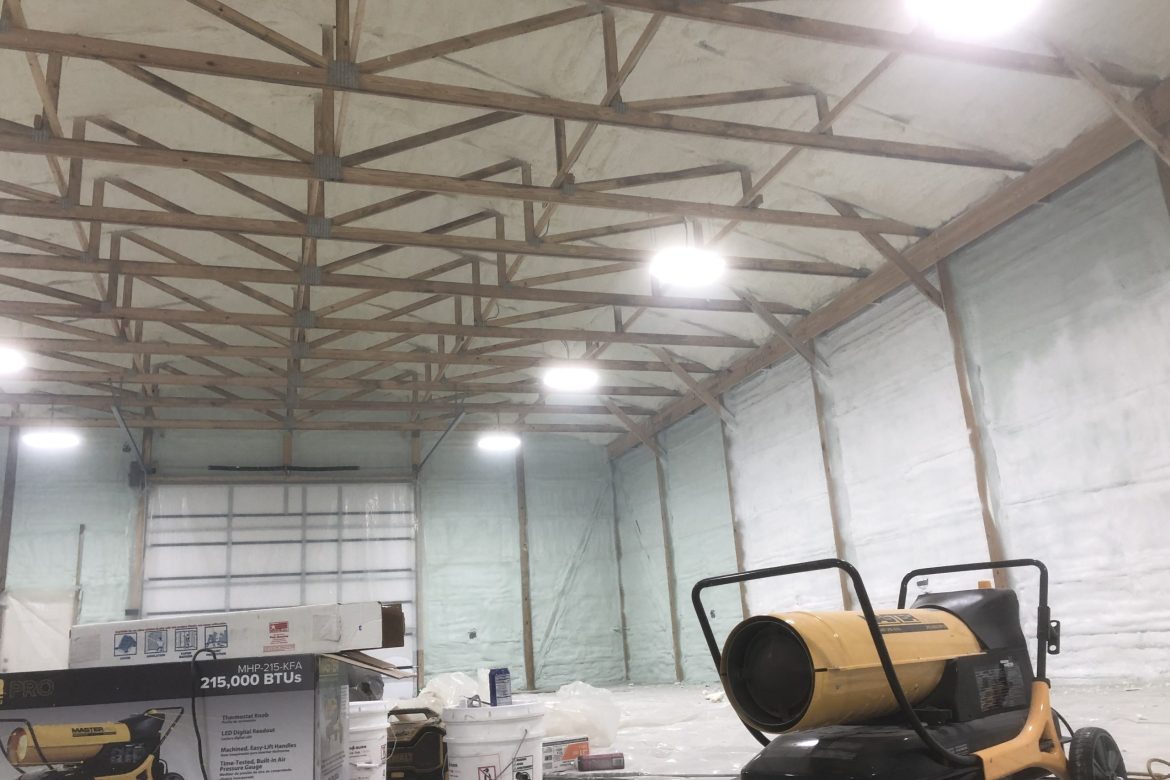
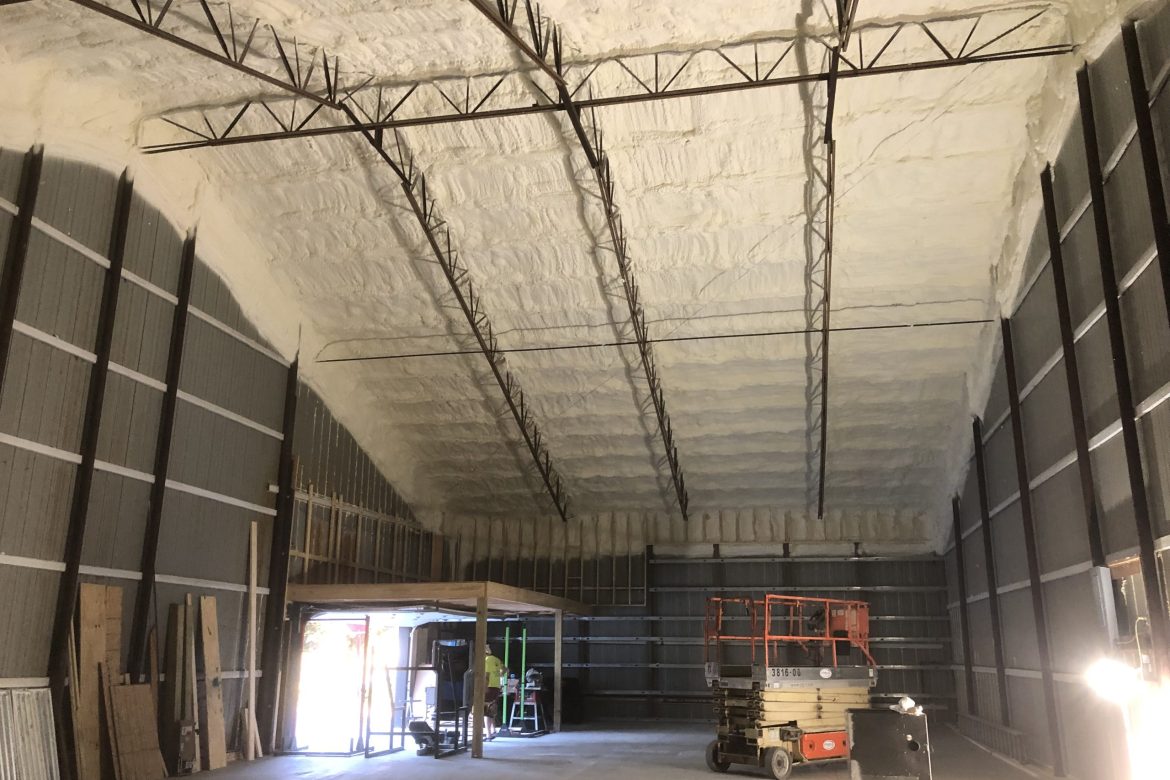
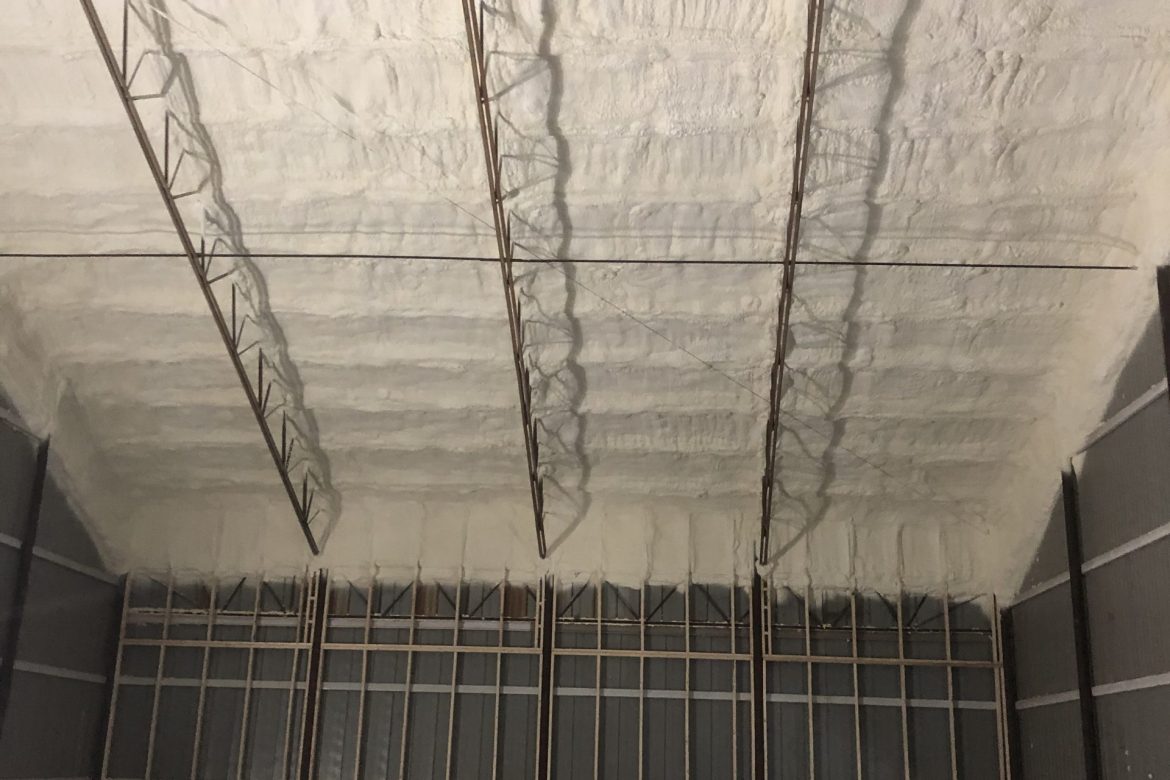
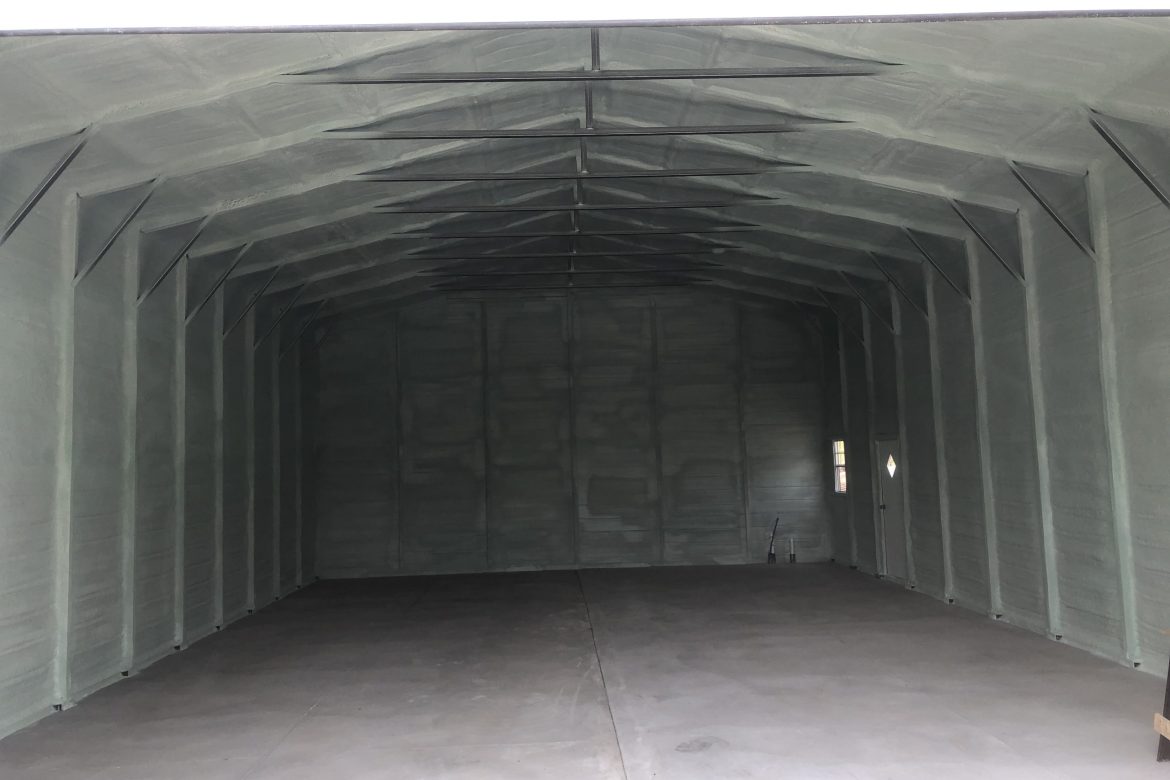
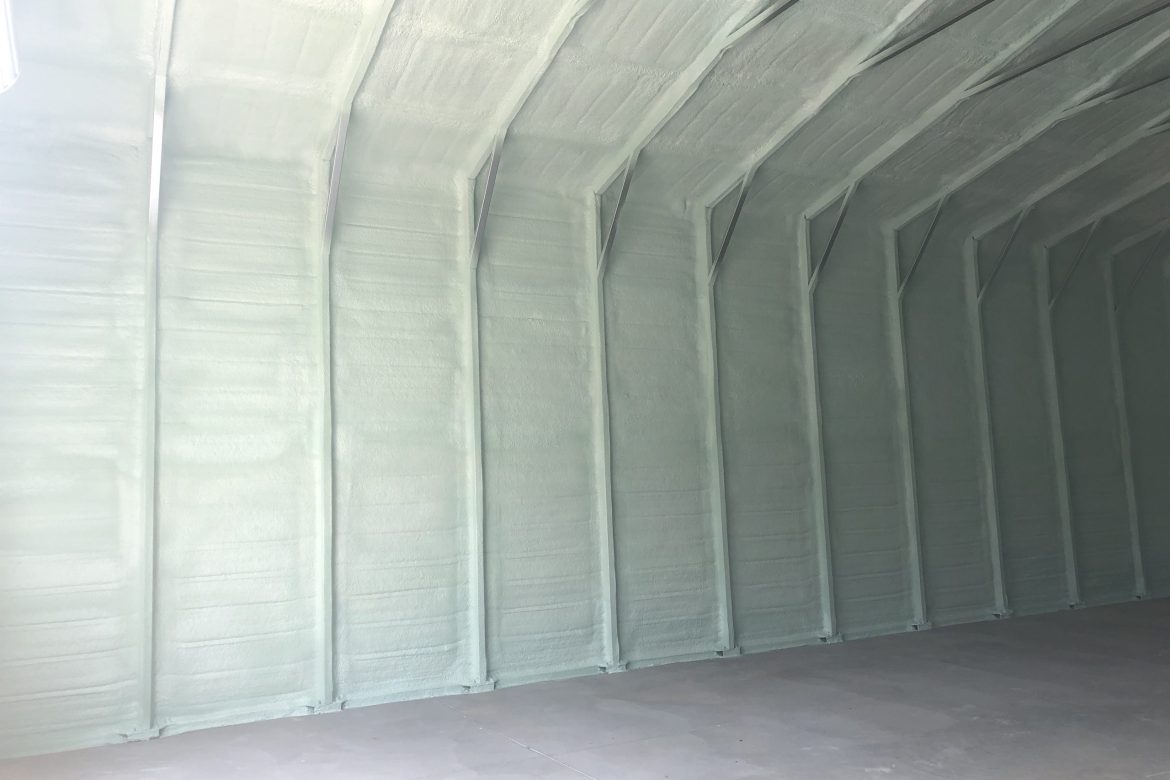
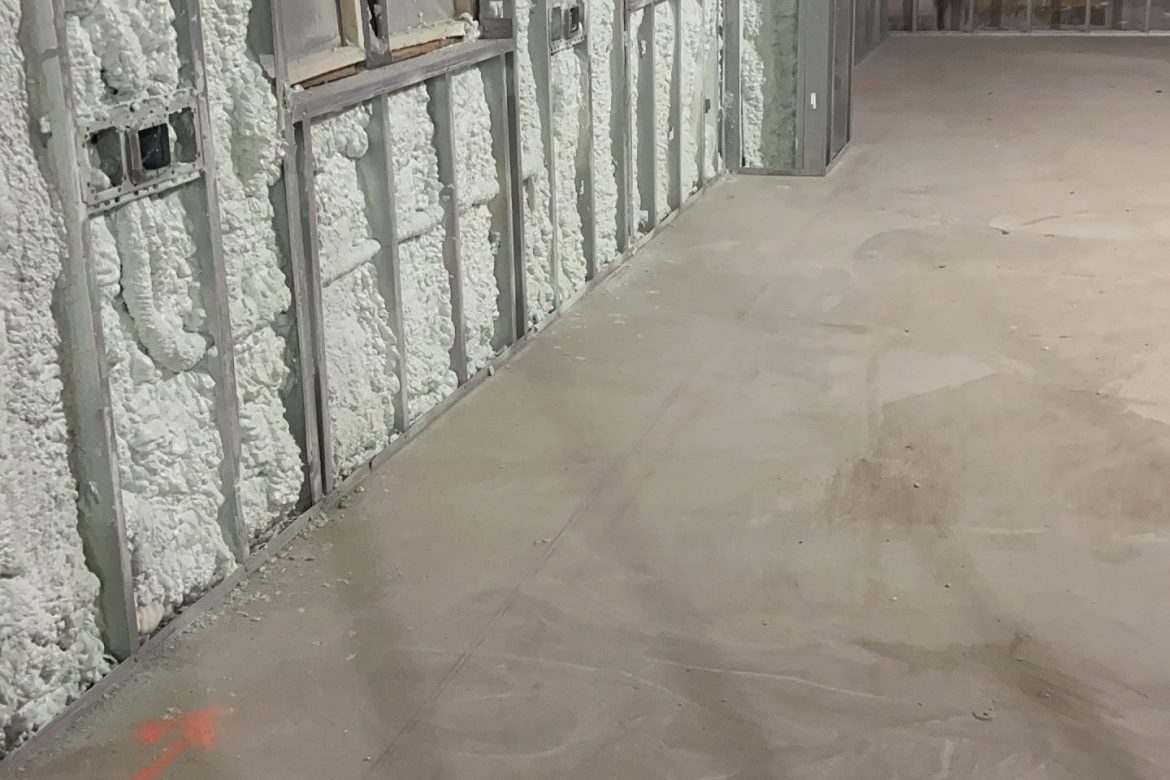

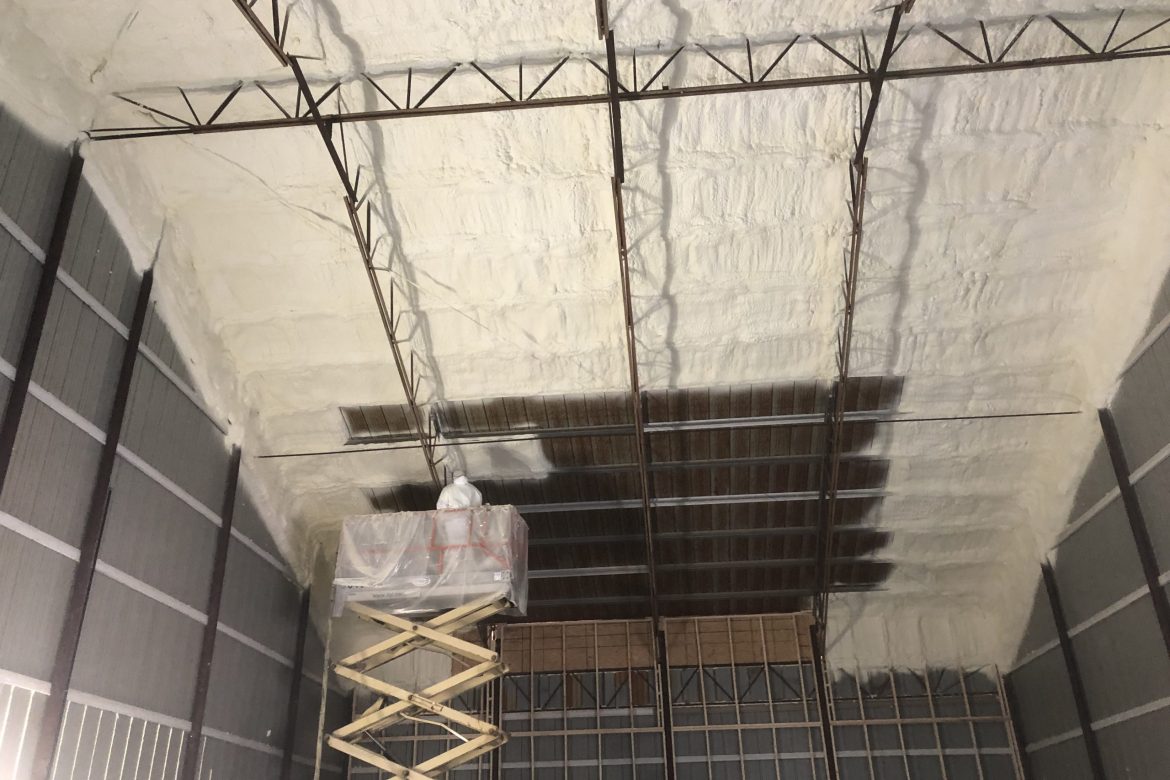
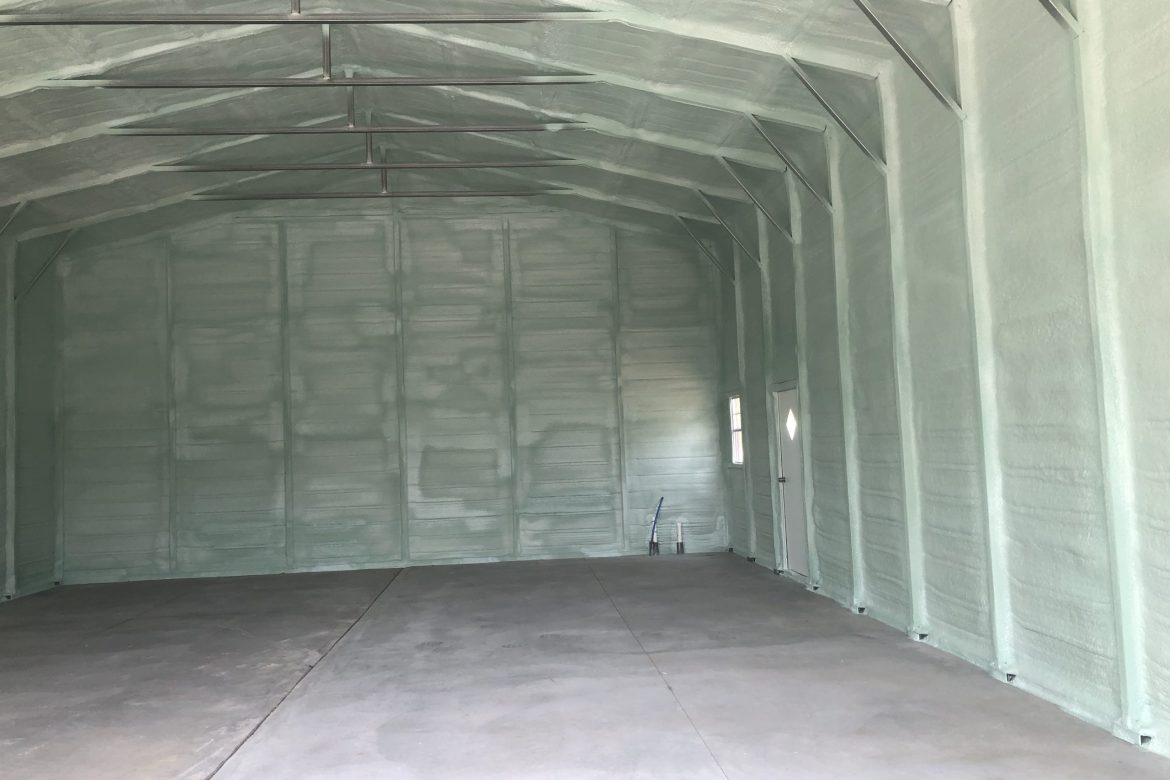
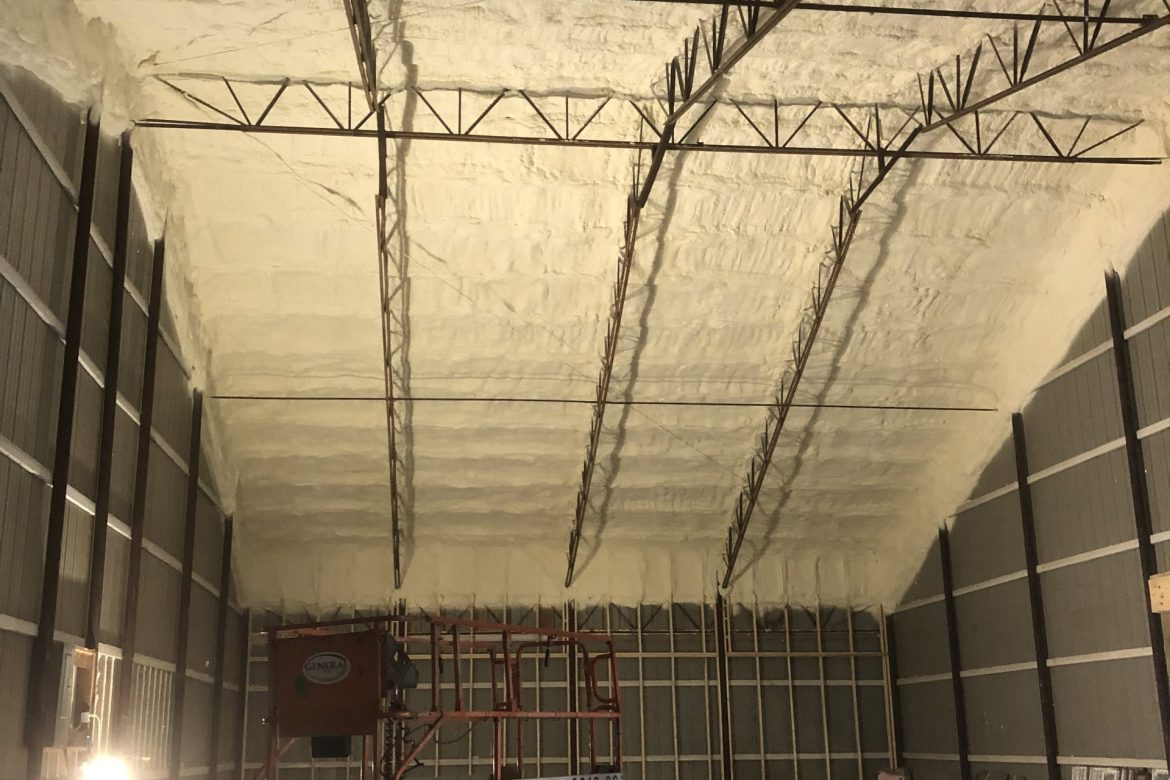
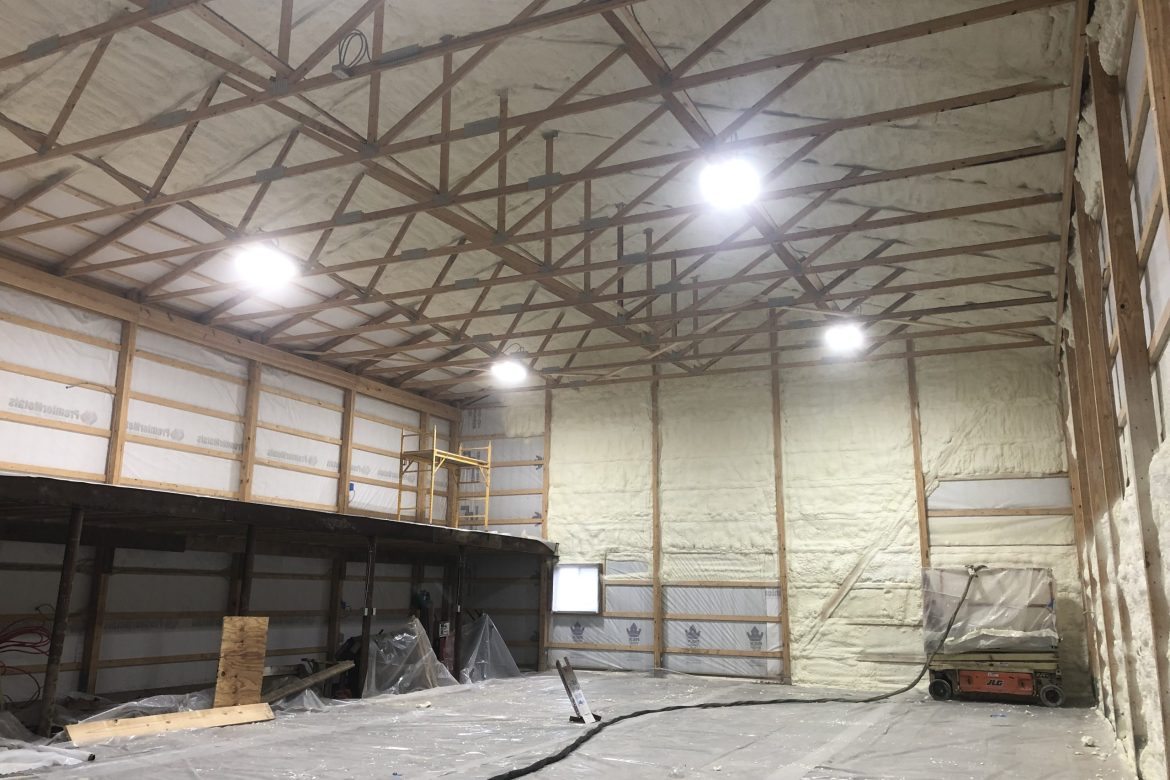
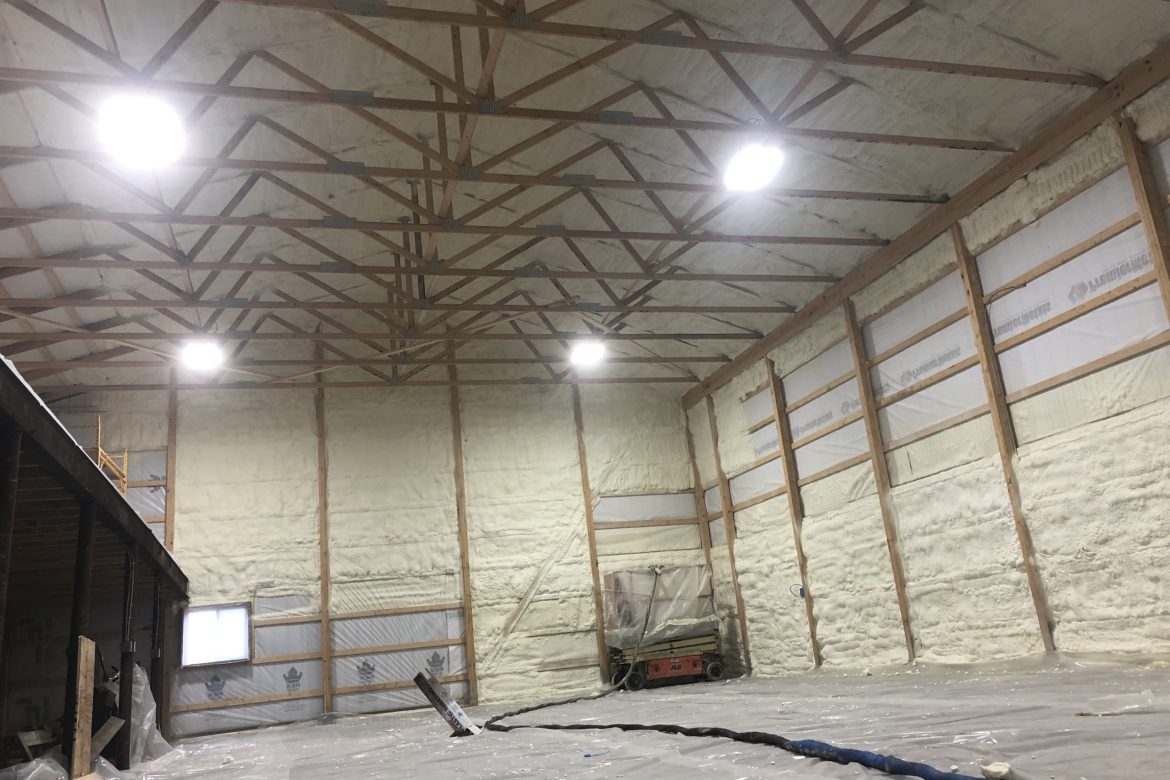
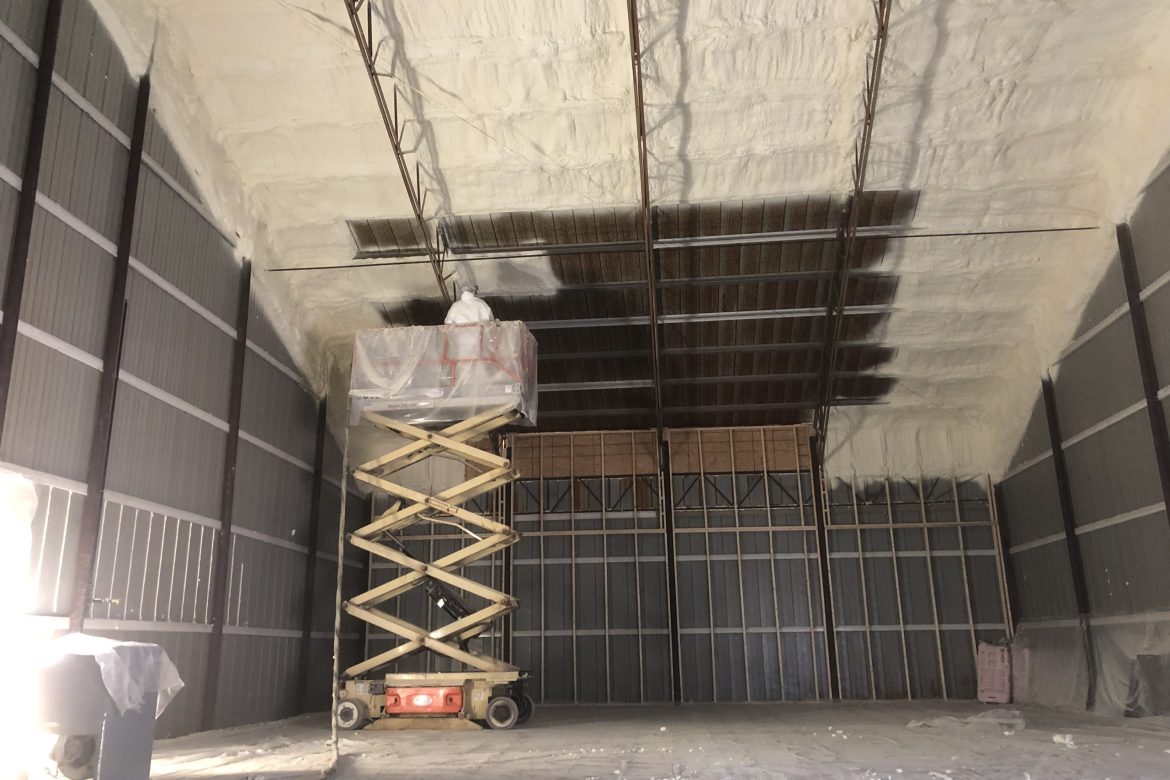
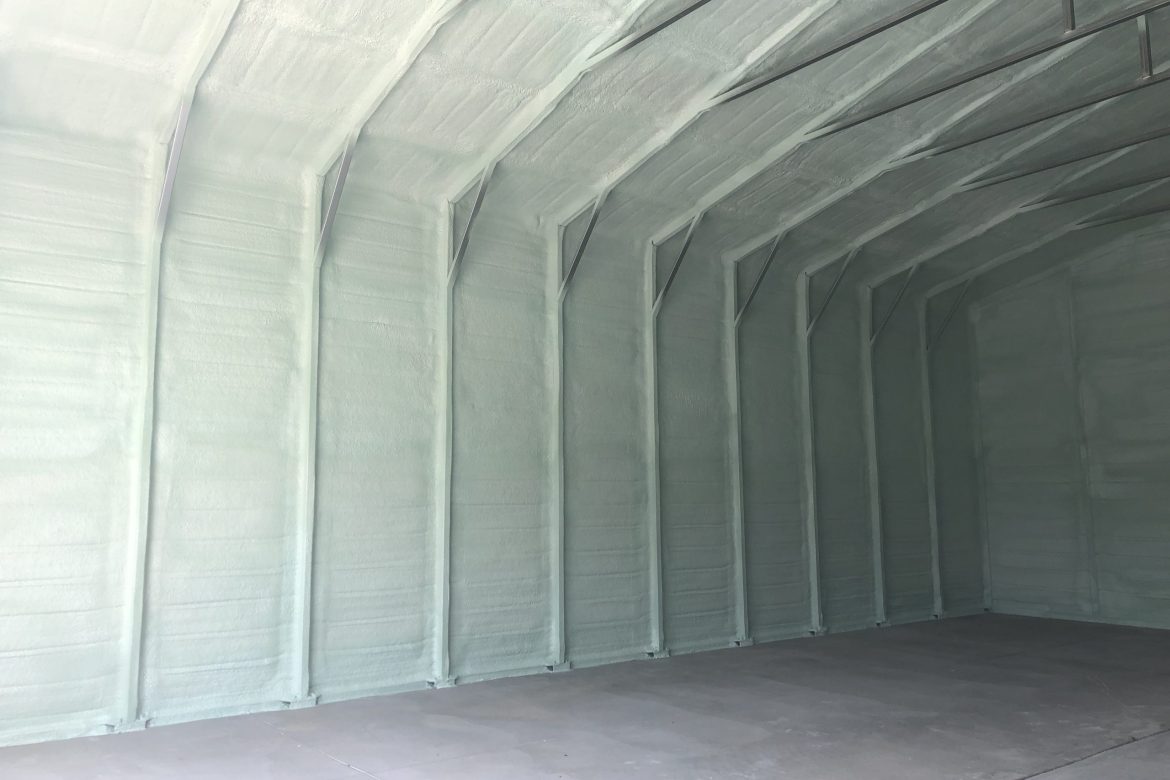
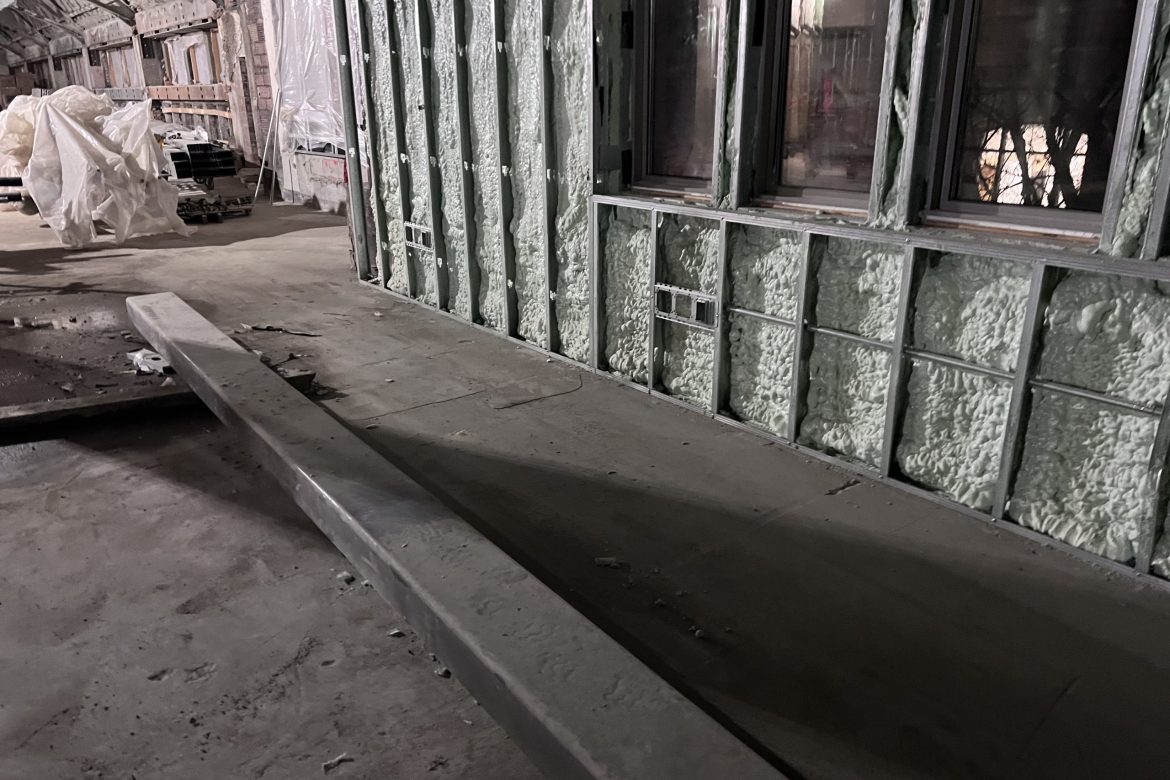
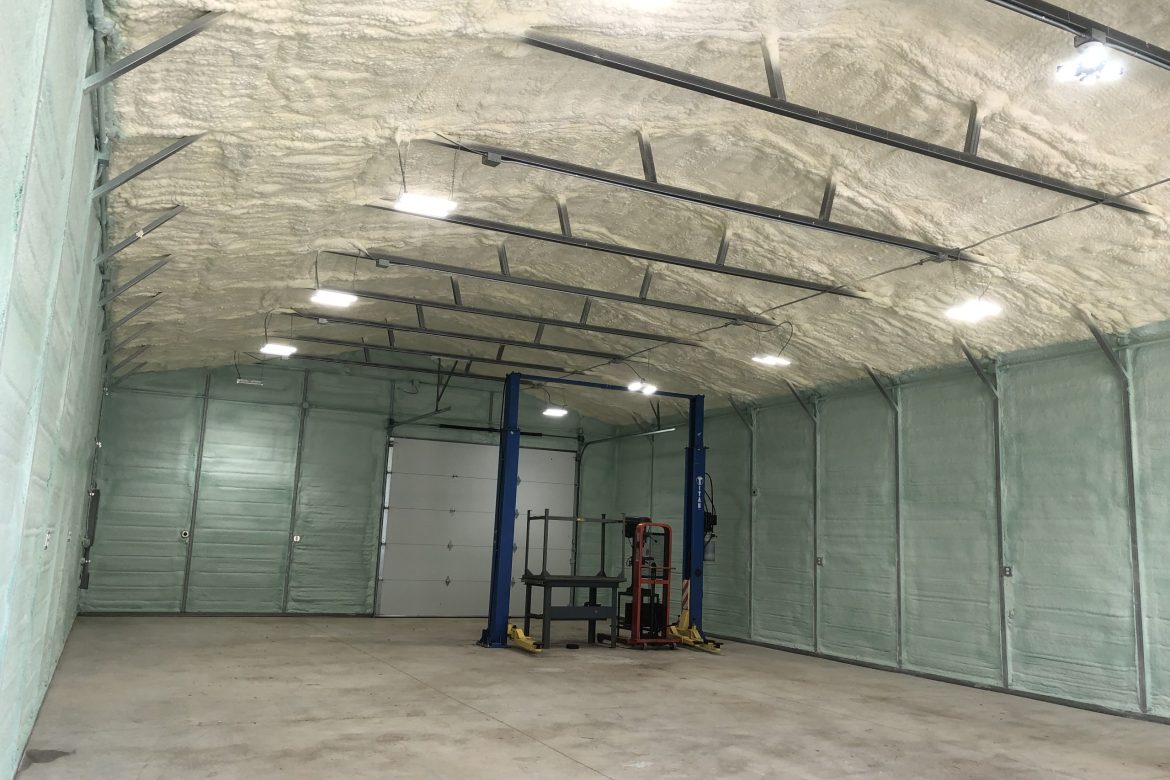
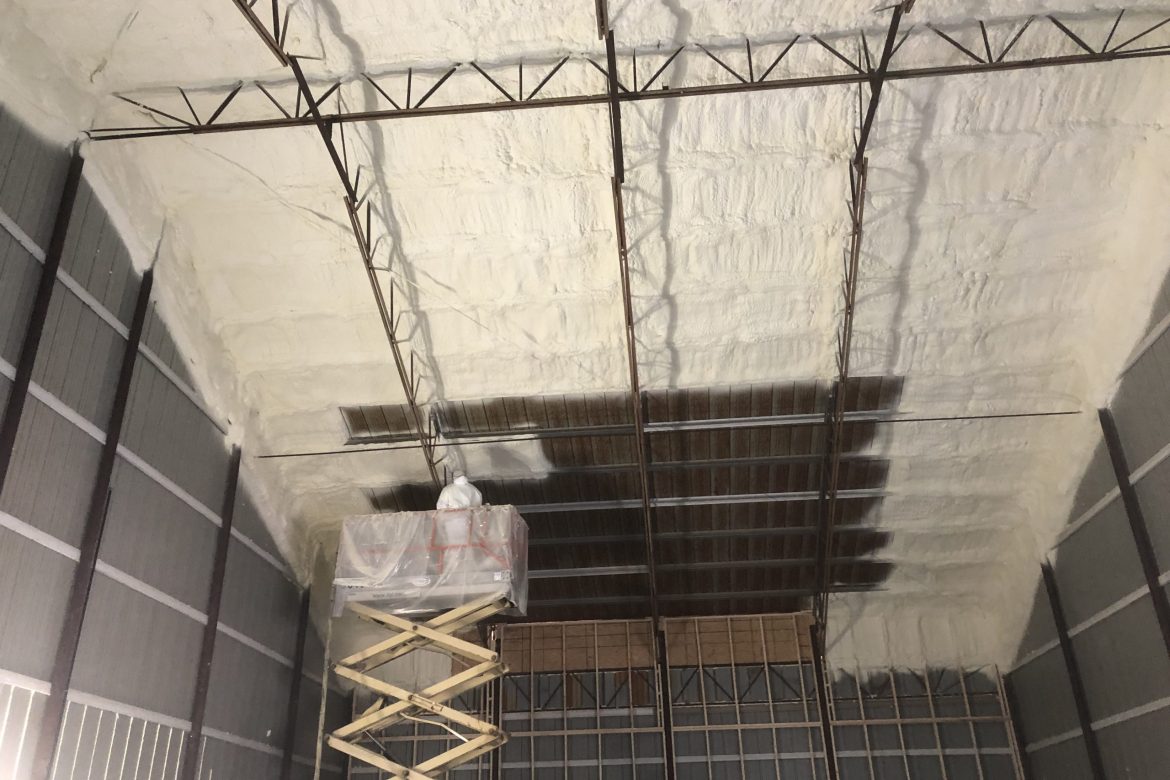
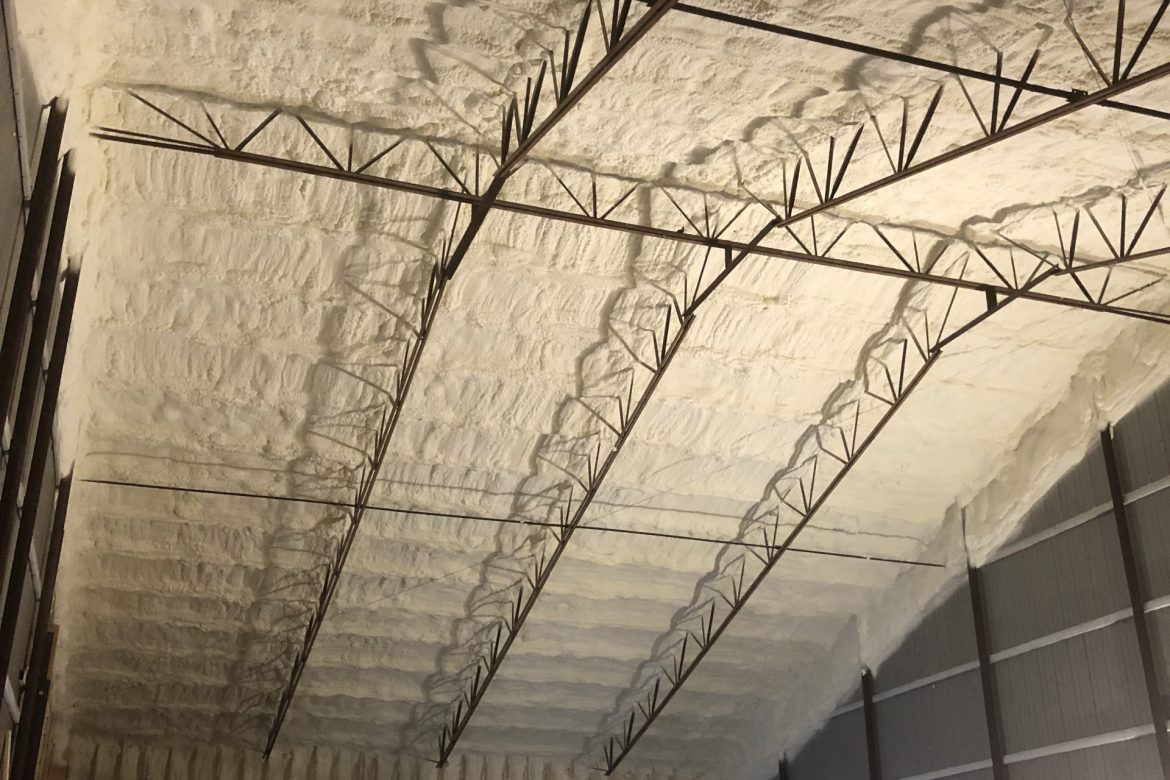
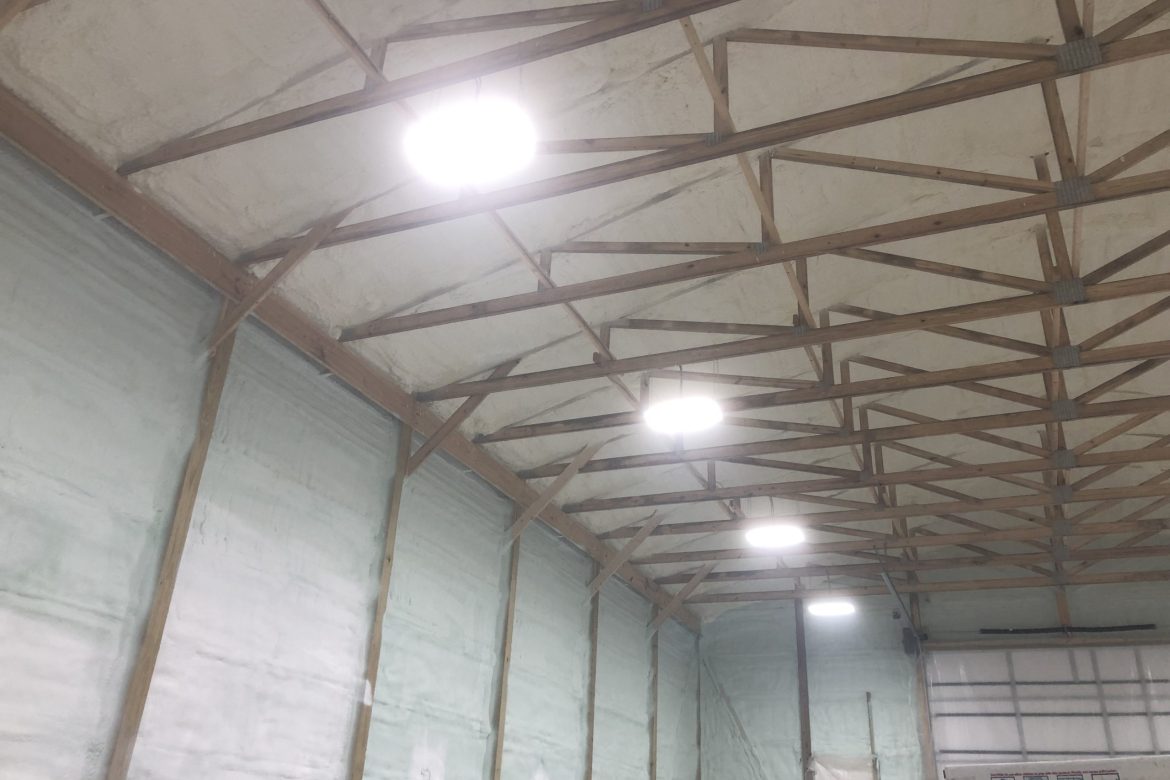
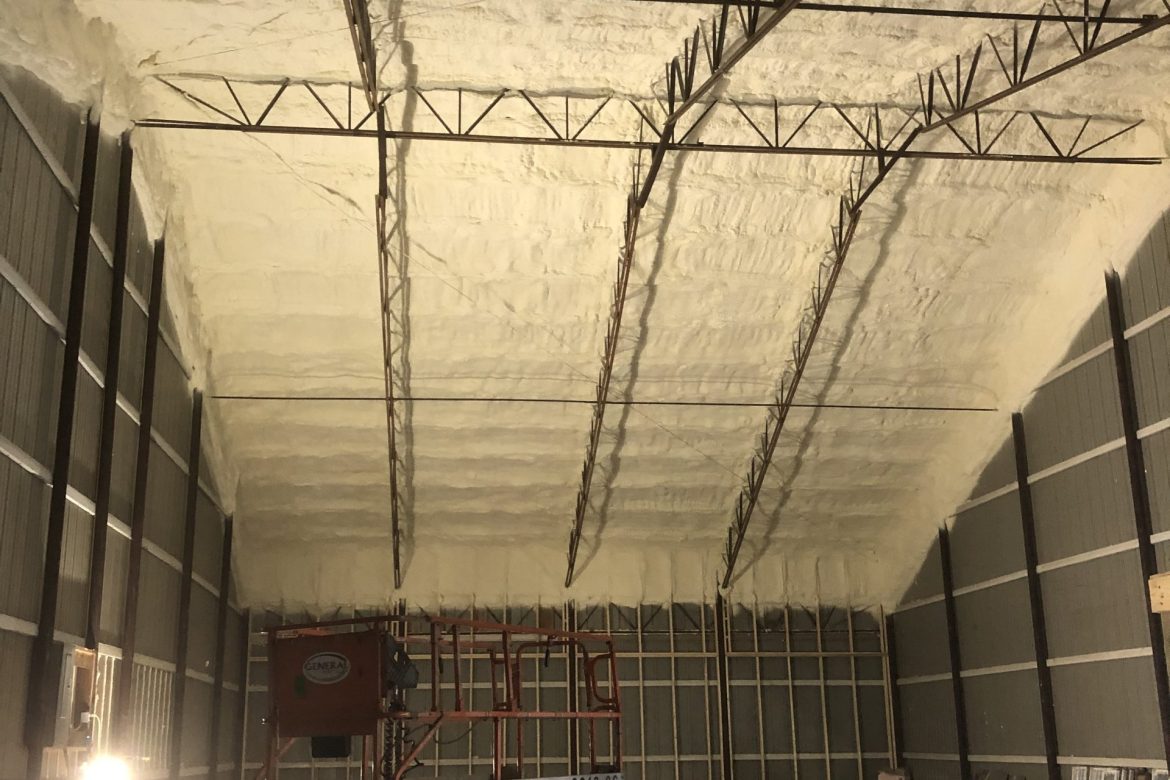
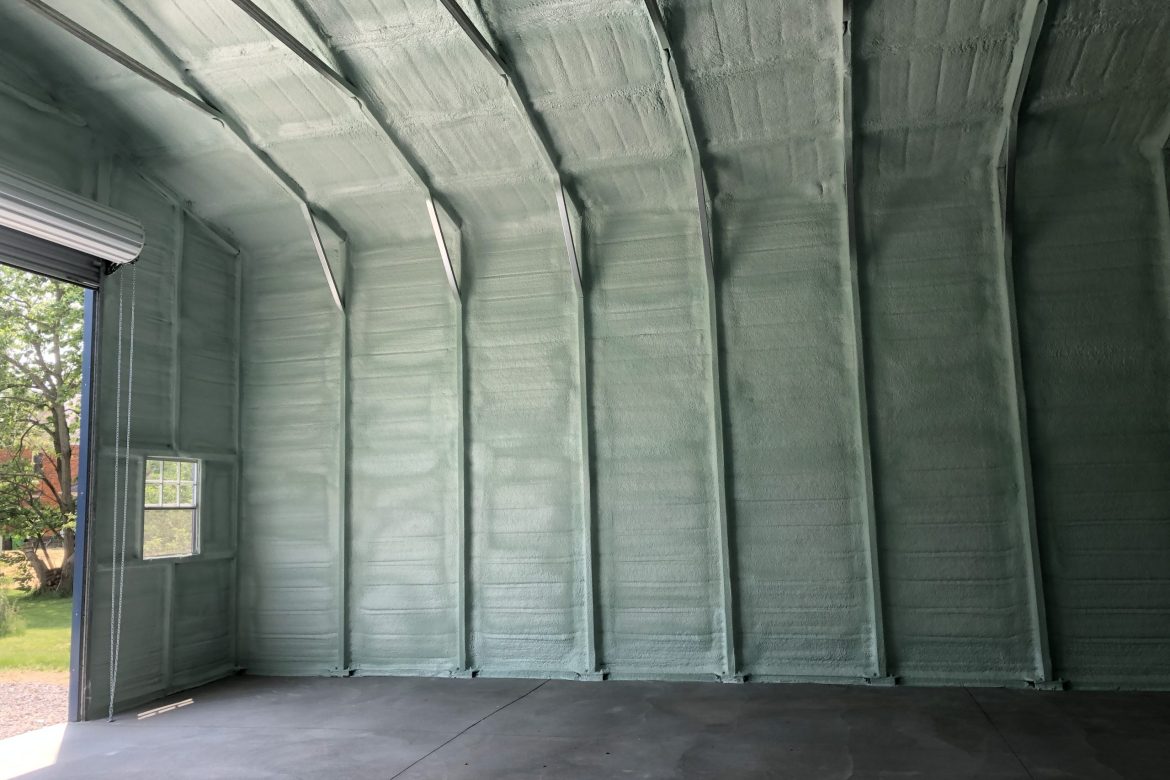
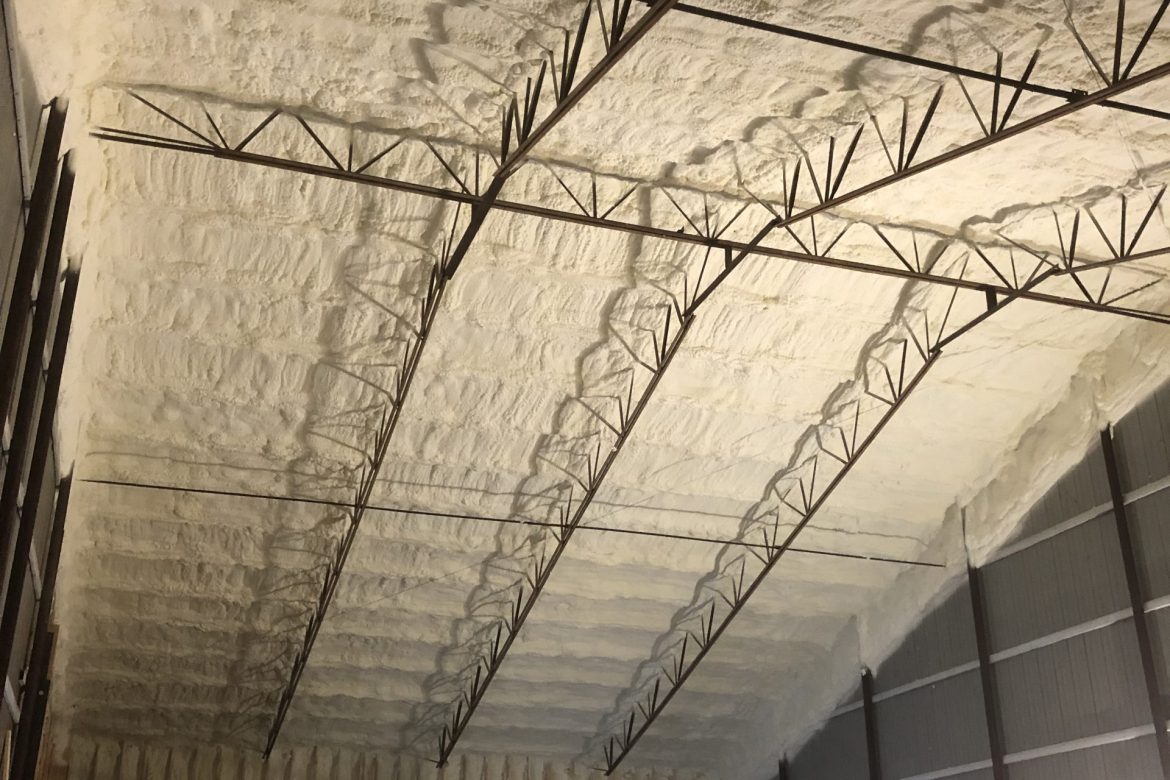
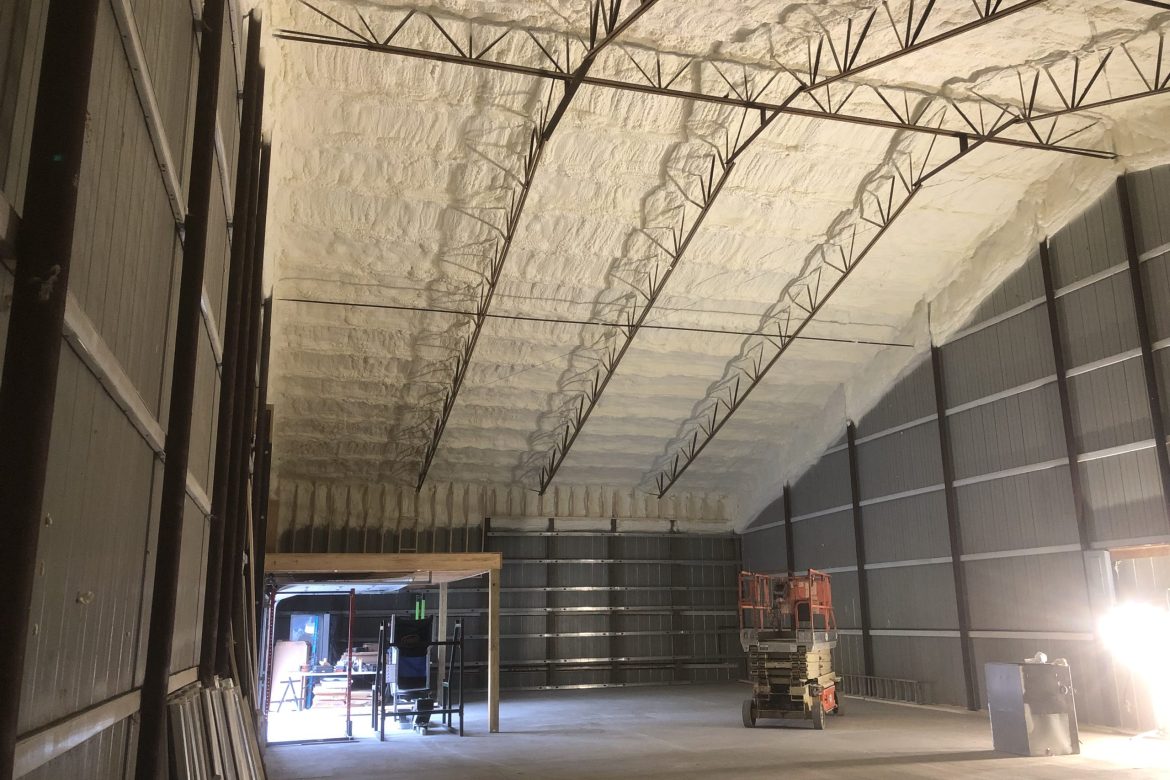
When it comes to insulating pole barns and metal buildings, the choice between closed-cell and open-cell spray foam insulation depends on the specific needs and conditions of the structure.
Closed-cell spray foam, with its dense and rigid structure, is exceptionally well-suited for these applications. It provides superior thermal resistance and acts as a formidable vapor barrier, sealing off any potential air leaks and preventing condensation buildup within the walls. This robust insulation not only enhances energy efficiency by minimizing heat transfer but also adds significant structural reinforcement to the building, increasing its durability and resistance to external elements like wind and moisture.
In contrast, open-cell spray foam, while offering good thermal insulation, may not provide the same level of moisture resistance or structural support as closed-cell foam. However, its lower density and flexibility make it a more cost-effective option for large-scale installations, covering expansive areas with ease.
Ultimately, the choice between closed-cell and open-cell spray foam for pole barns and metal buildings hinges on factors such as budget constraints, desired insulation performance, and the building’s susceptibility to moisture and structural stresses. Closed-cell foam stands out for its superior thermal performance and structural integrity, making it an ideal choice for long-term protection and energy efficiency in these rugged environments.
Spray Foam