
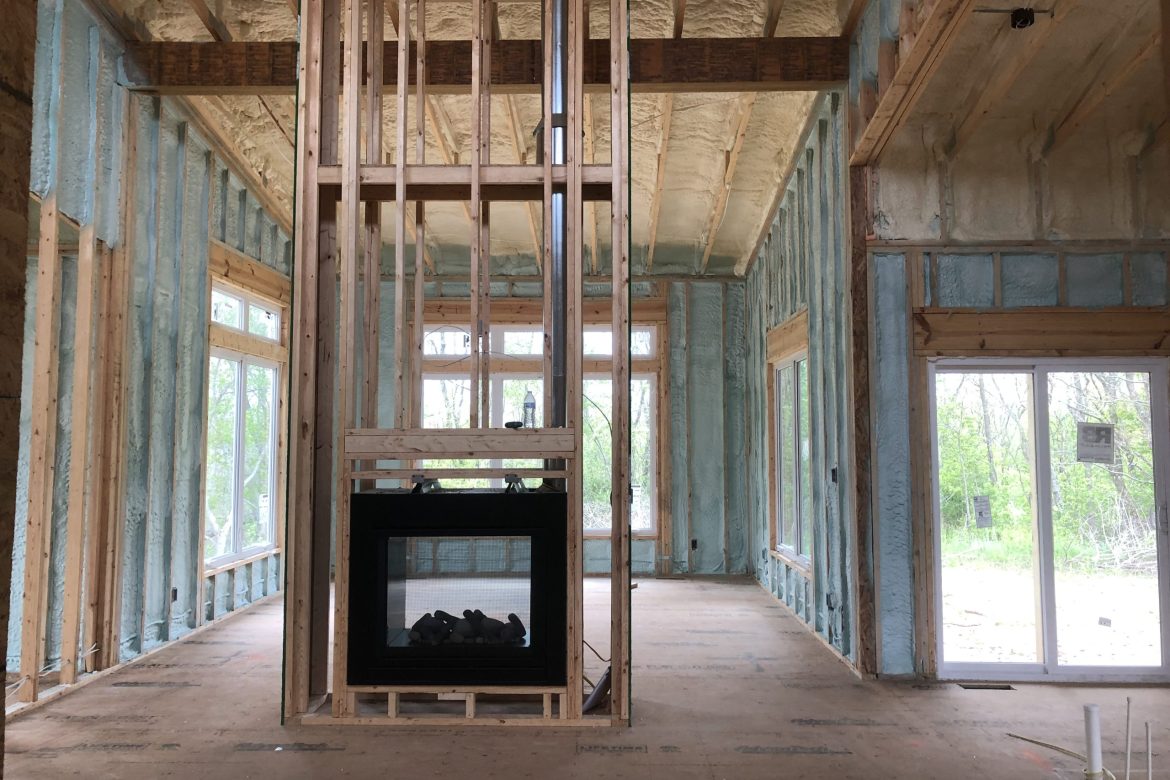
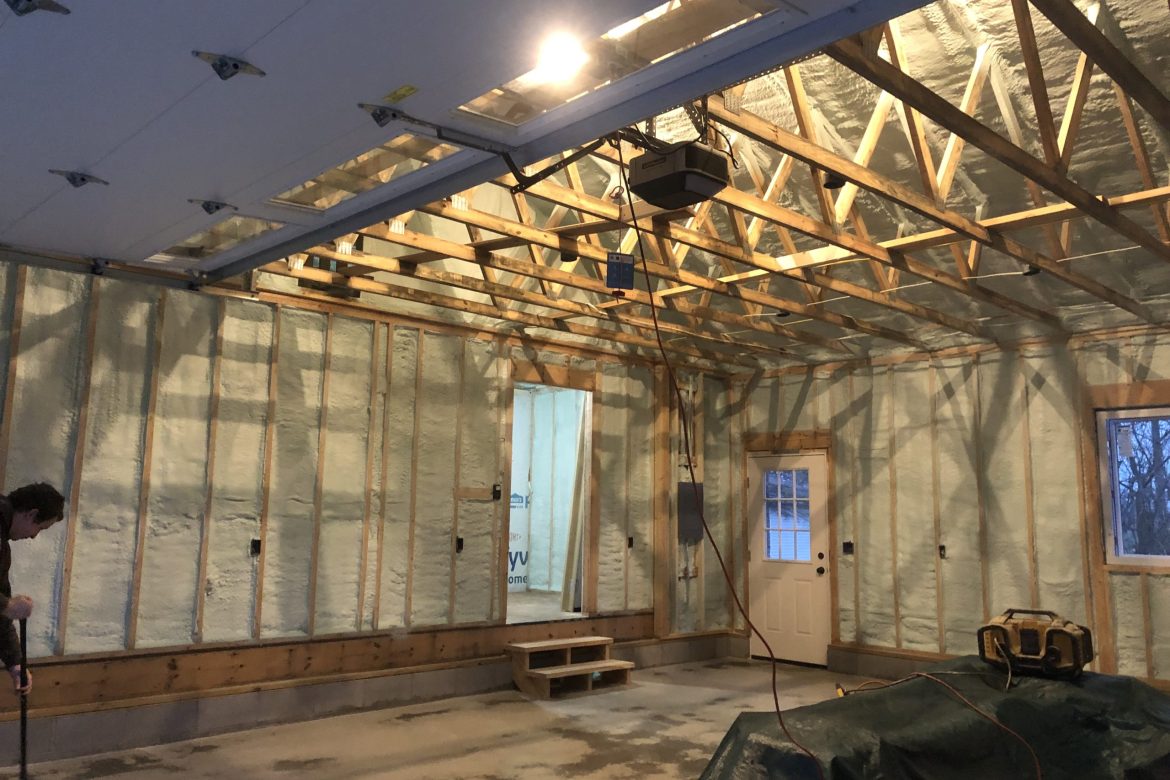
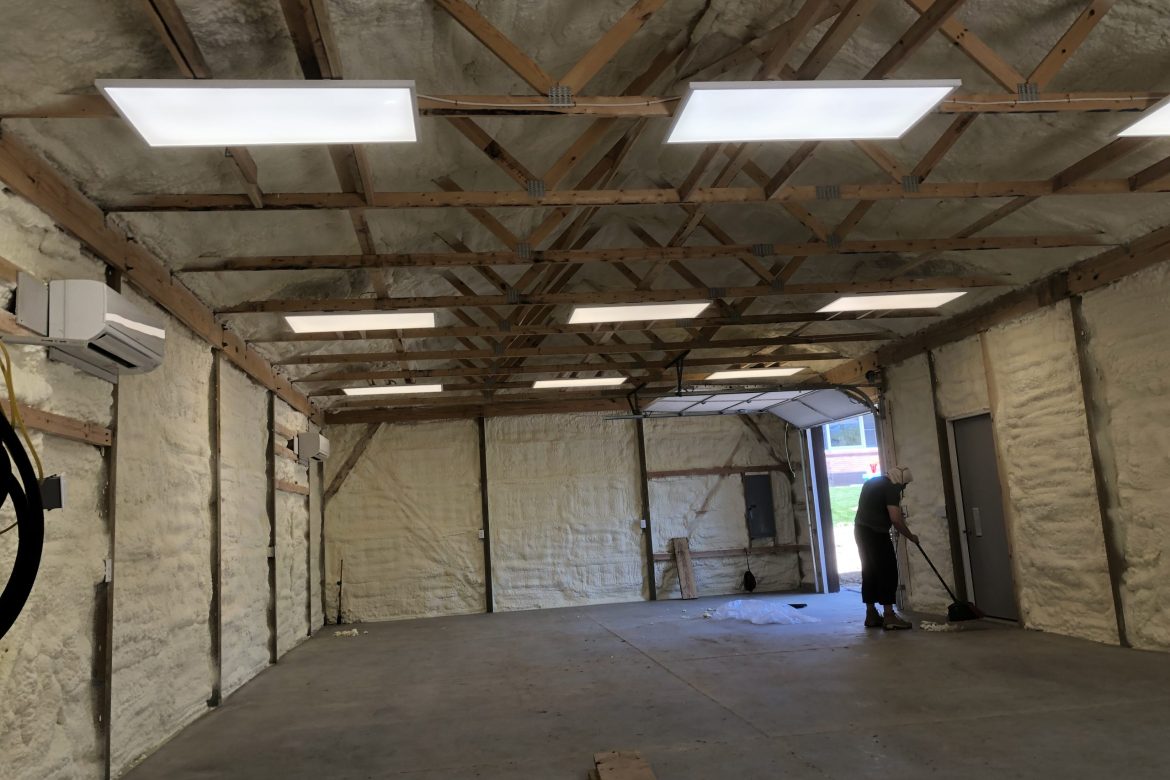
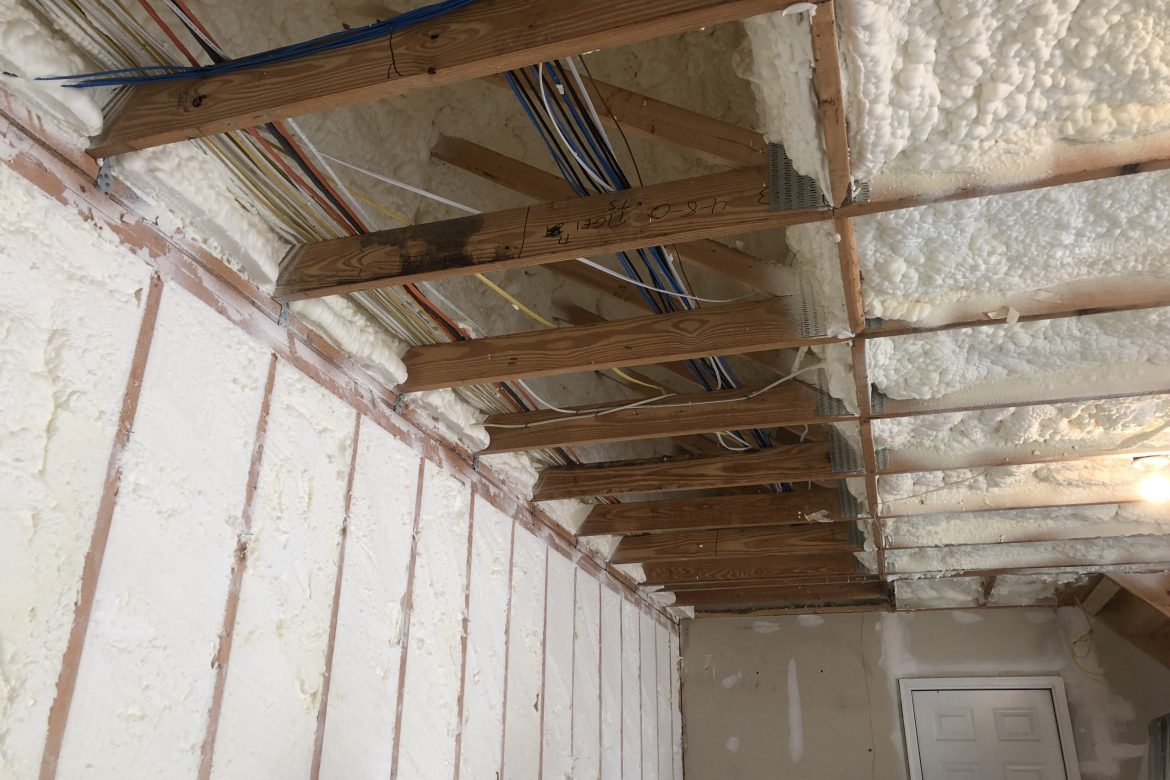
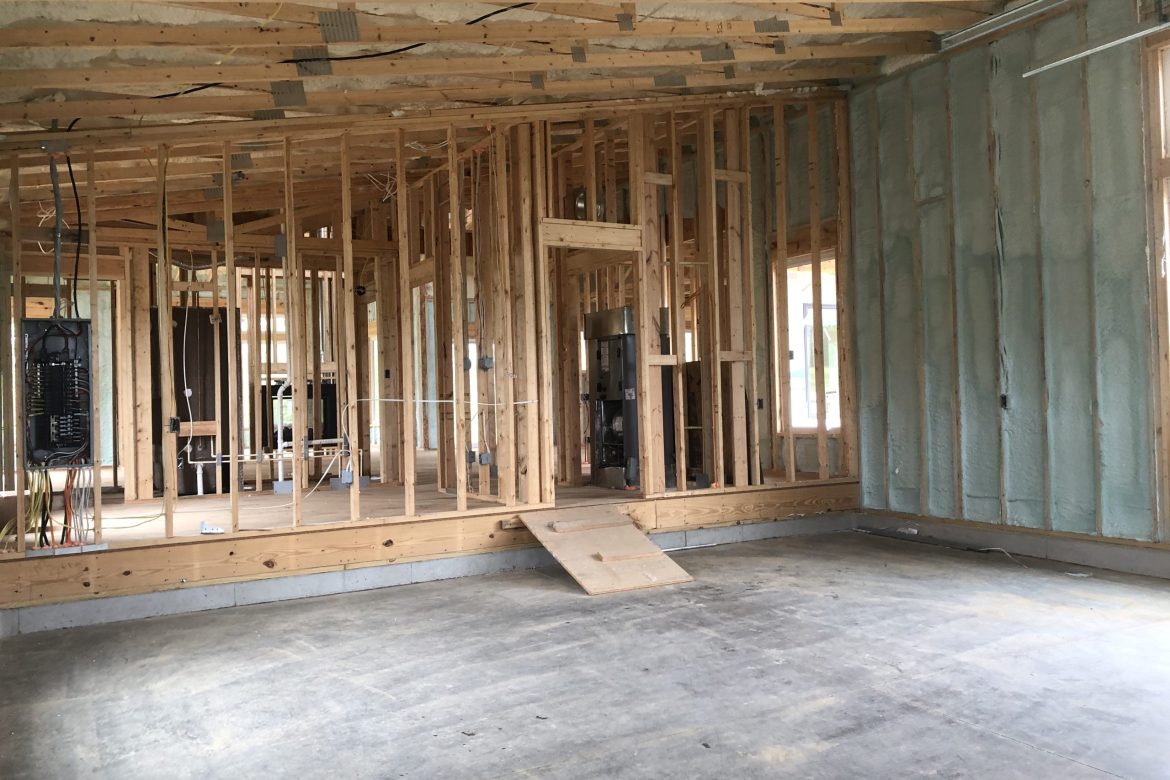
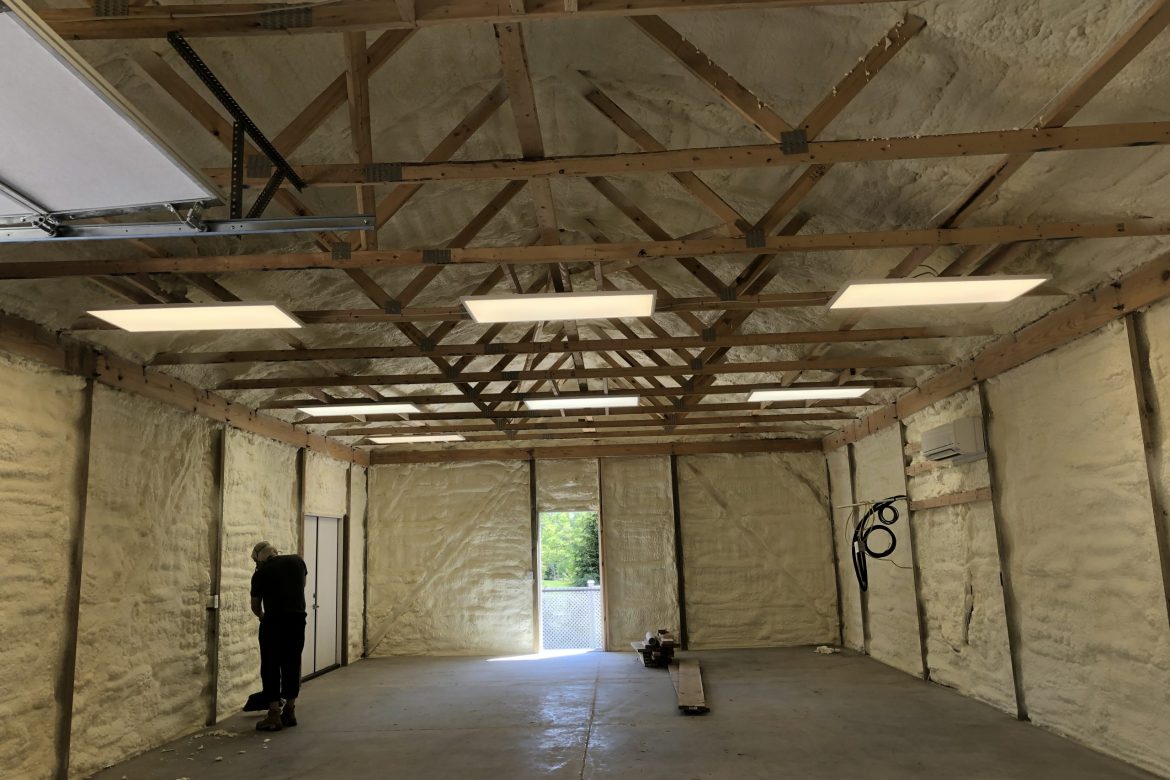
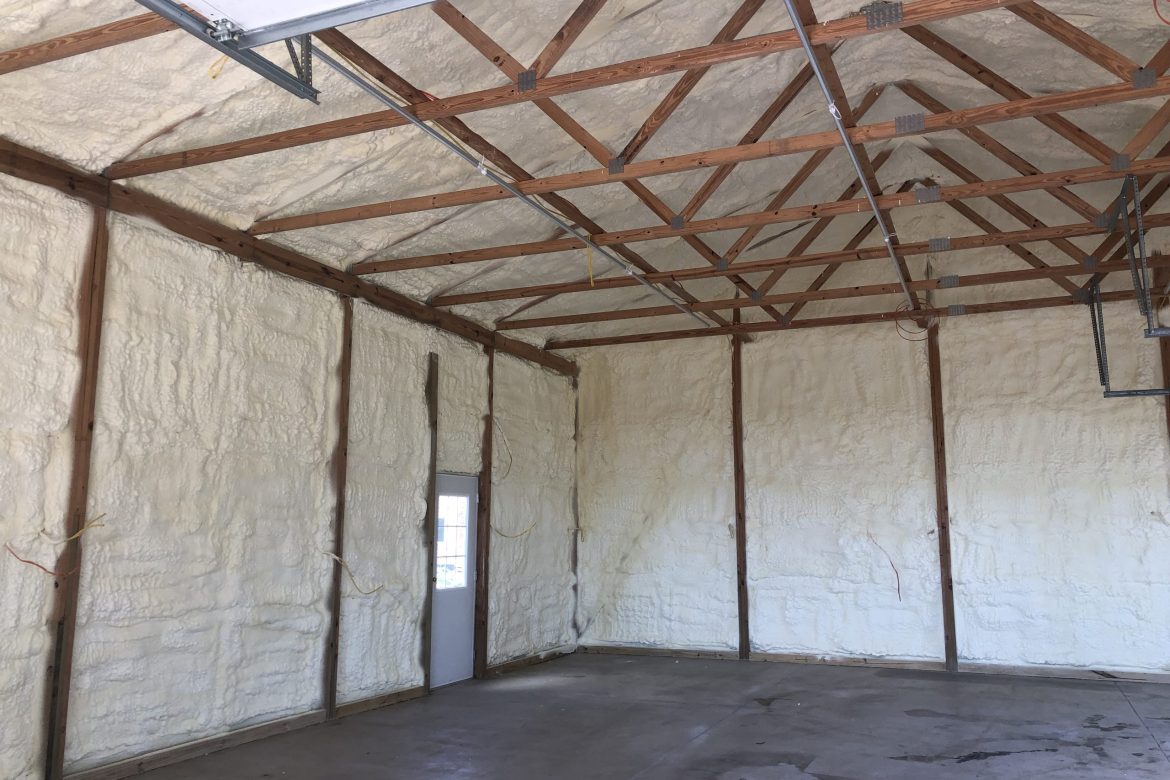
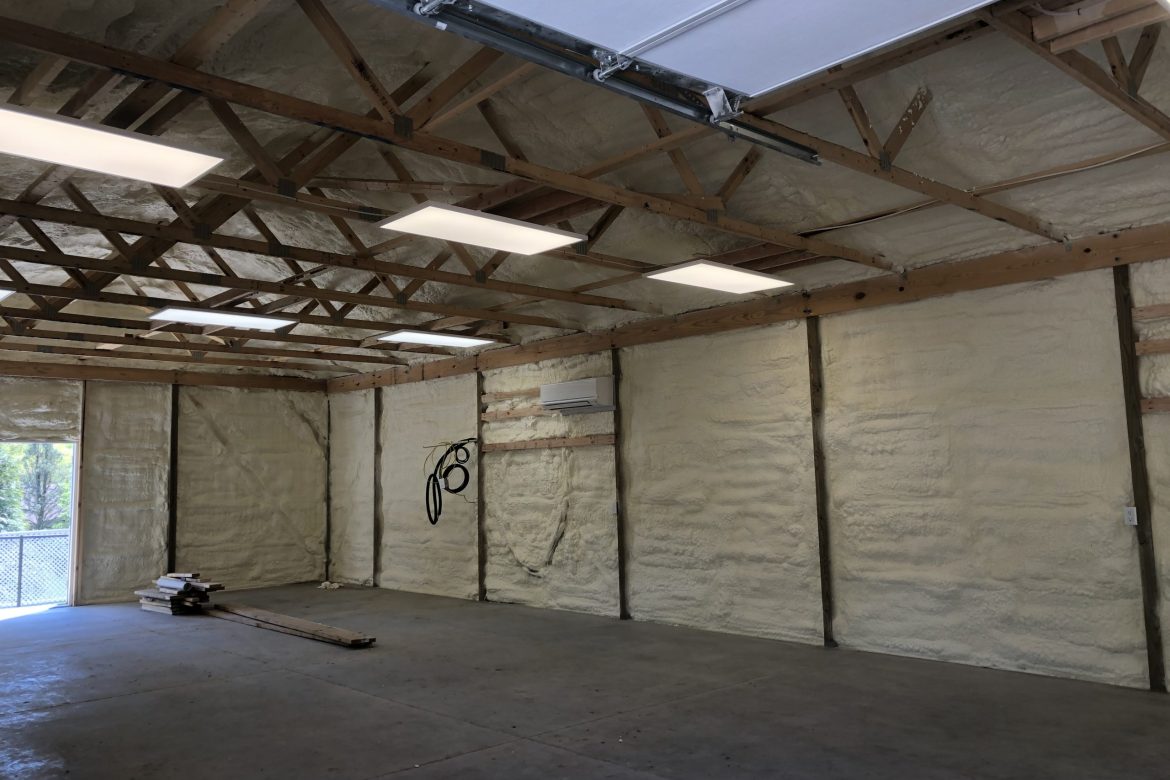
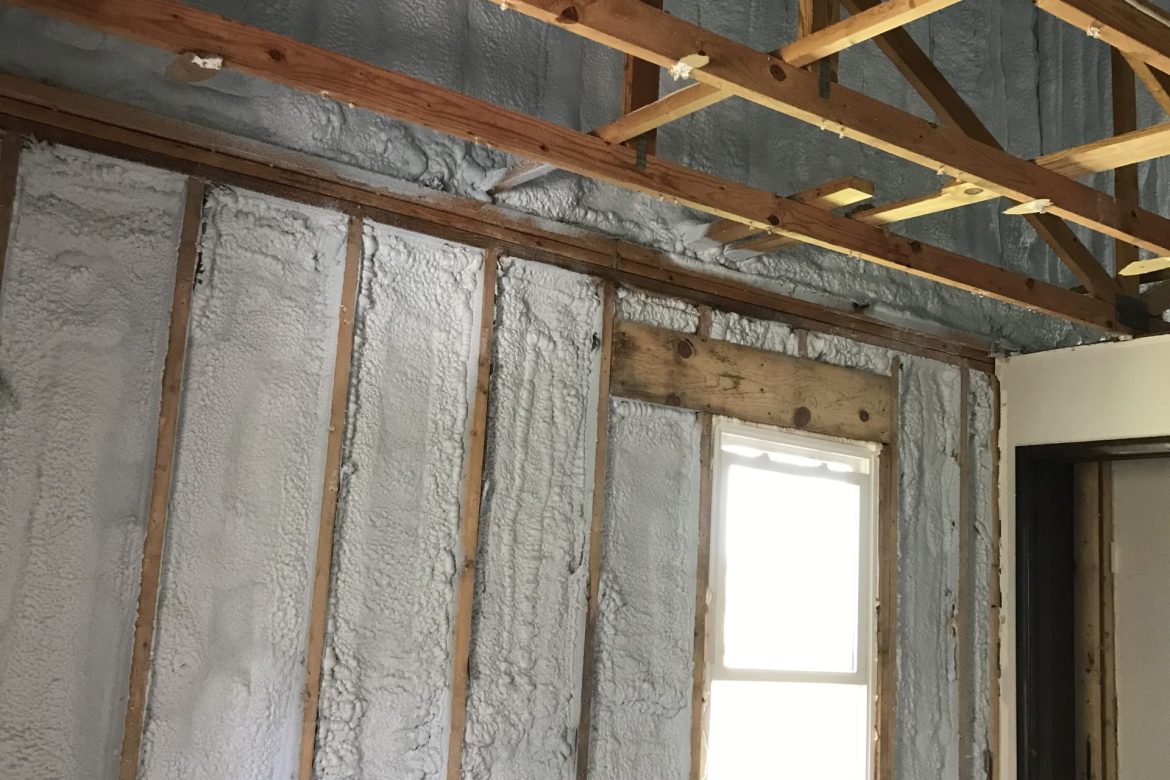
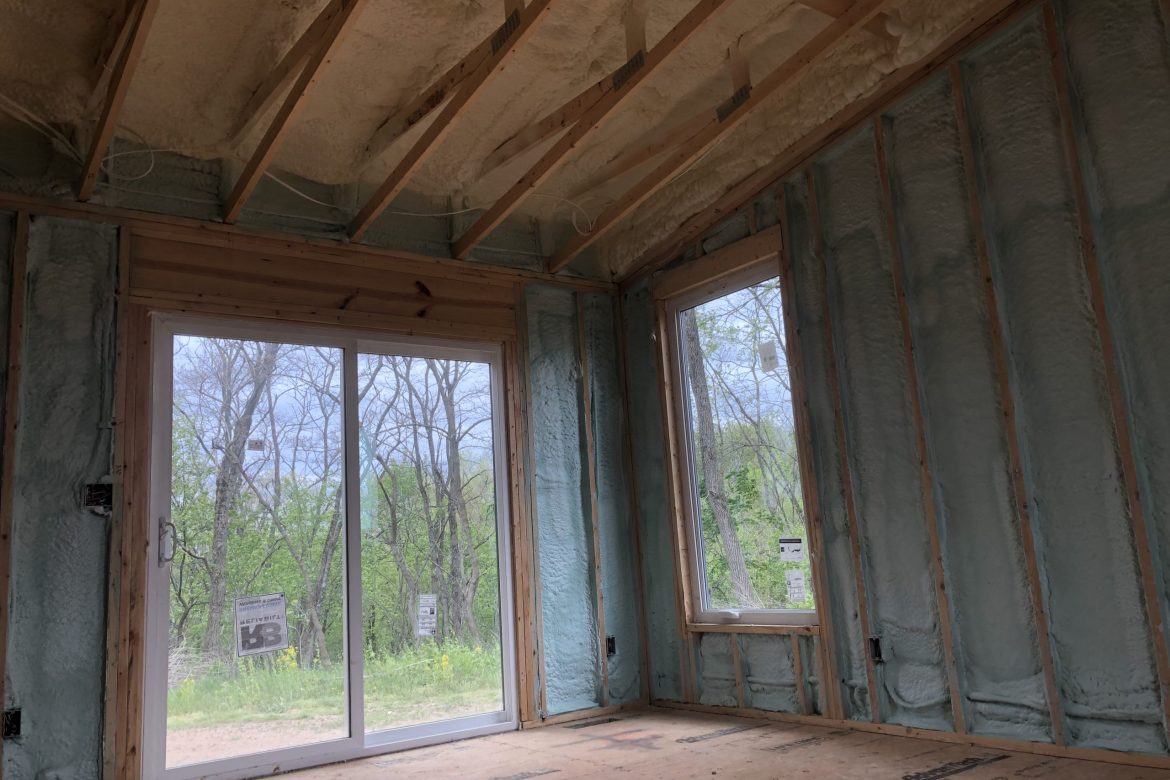
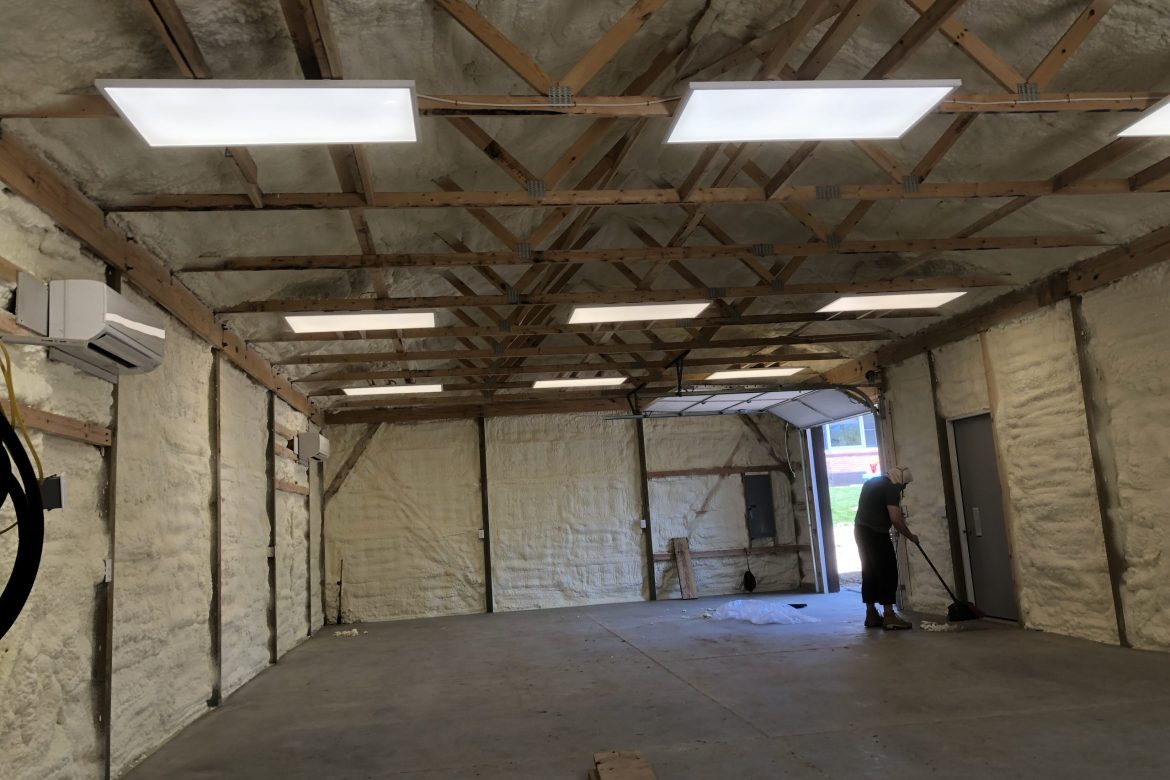
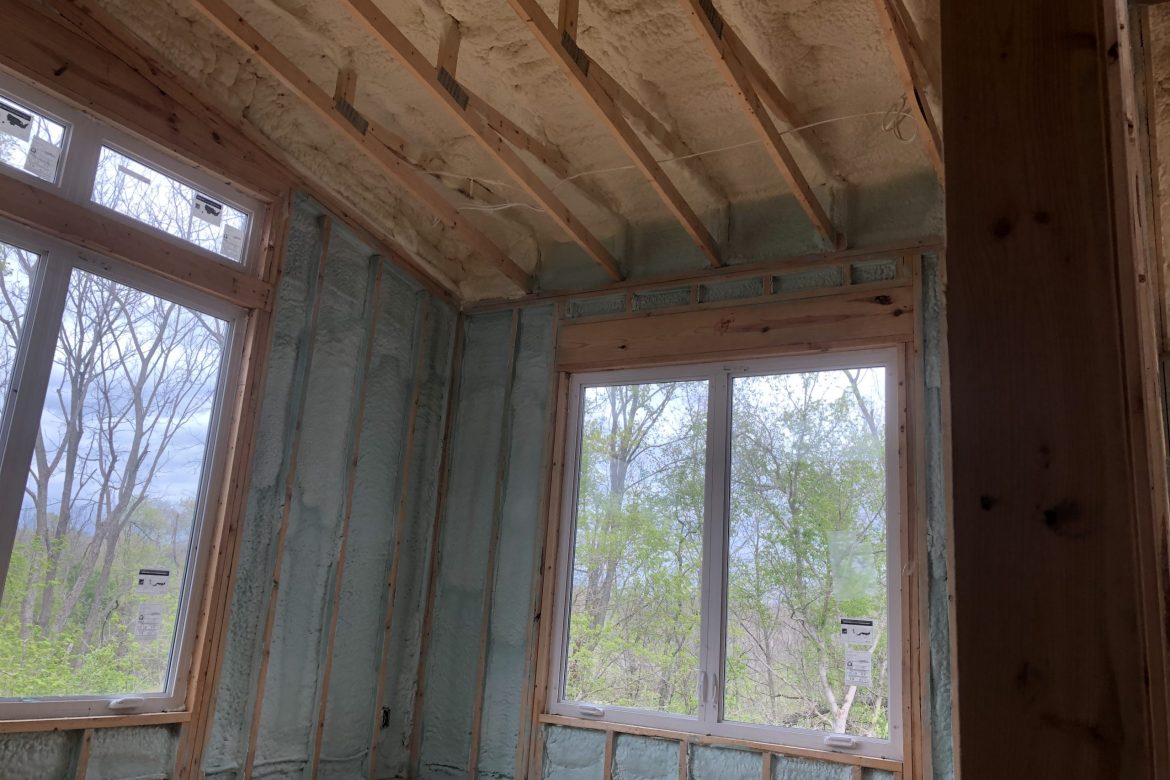
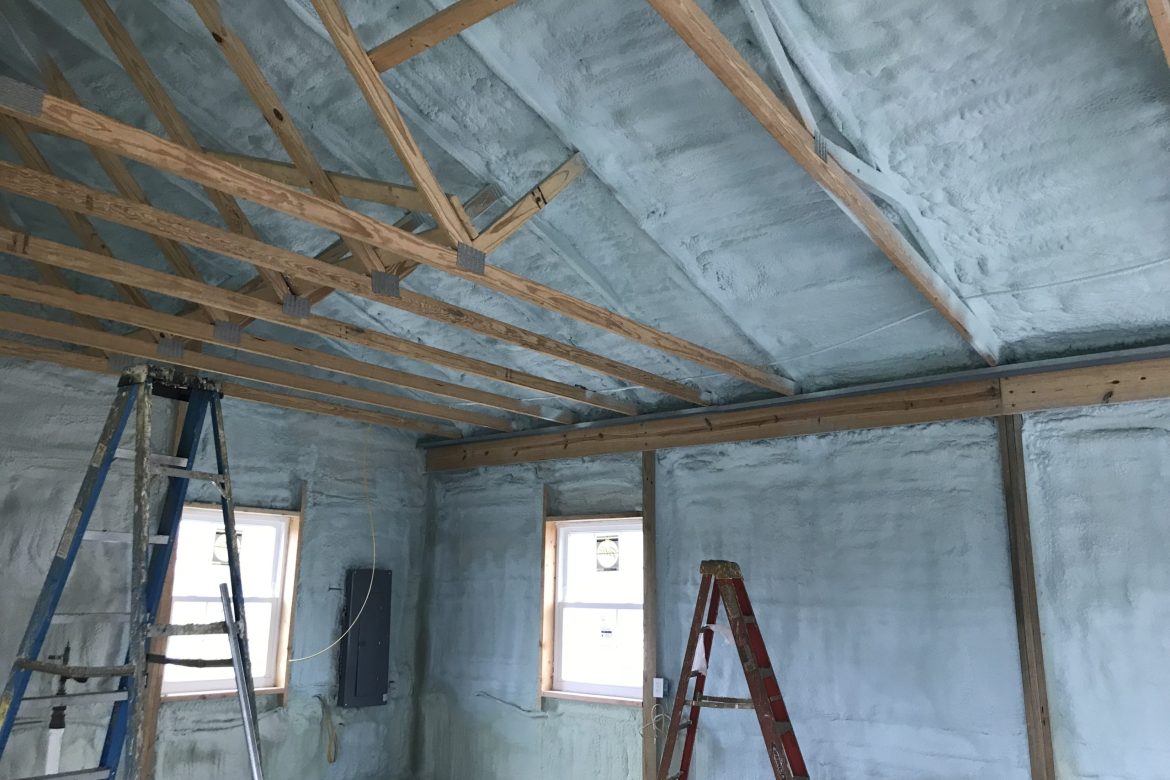
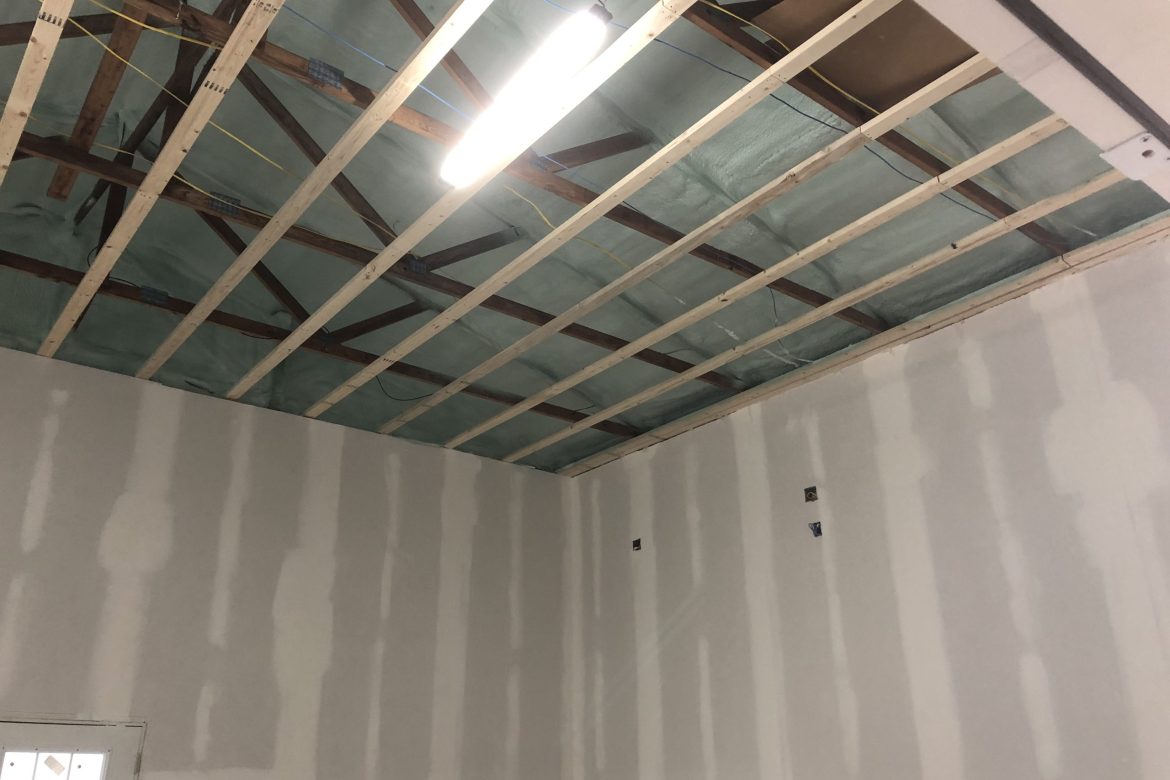
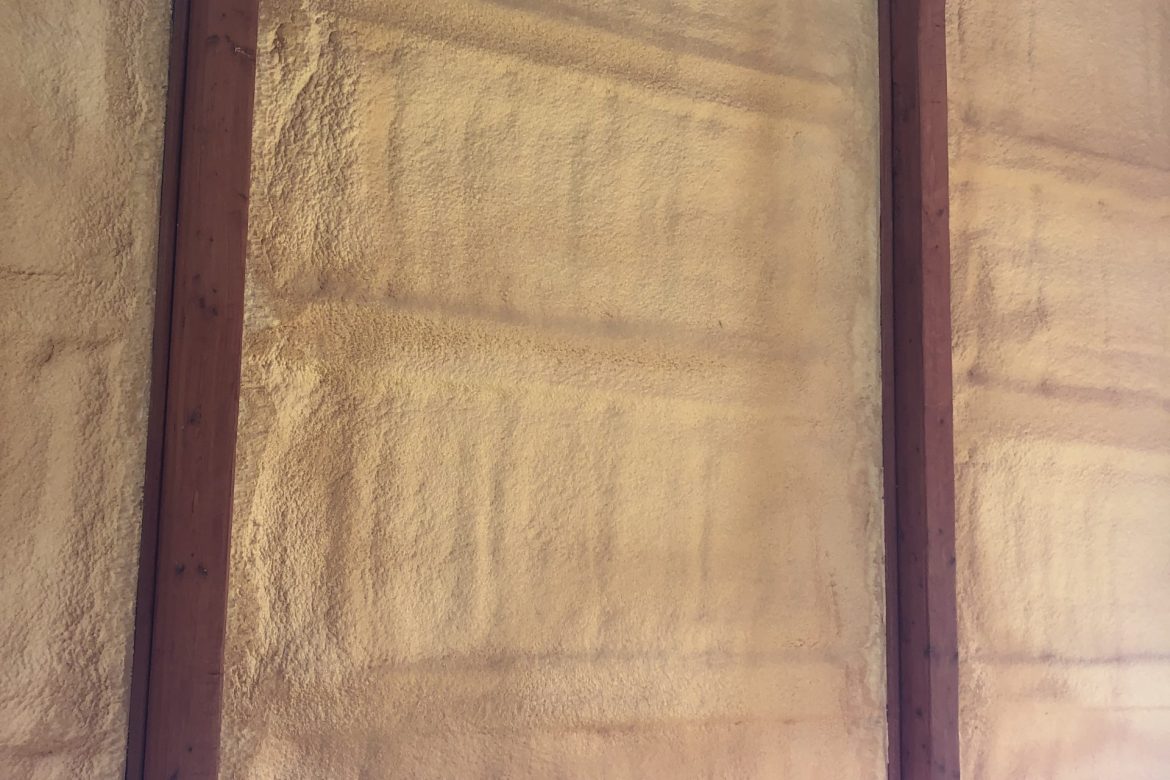
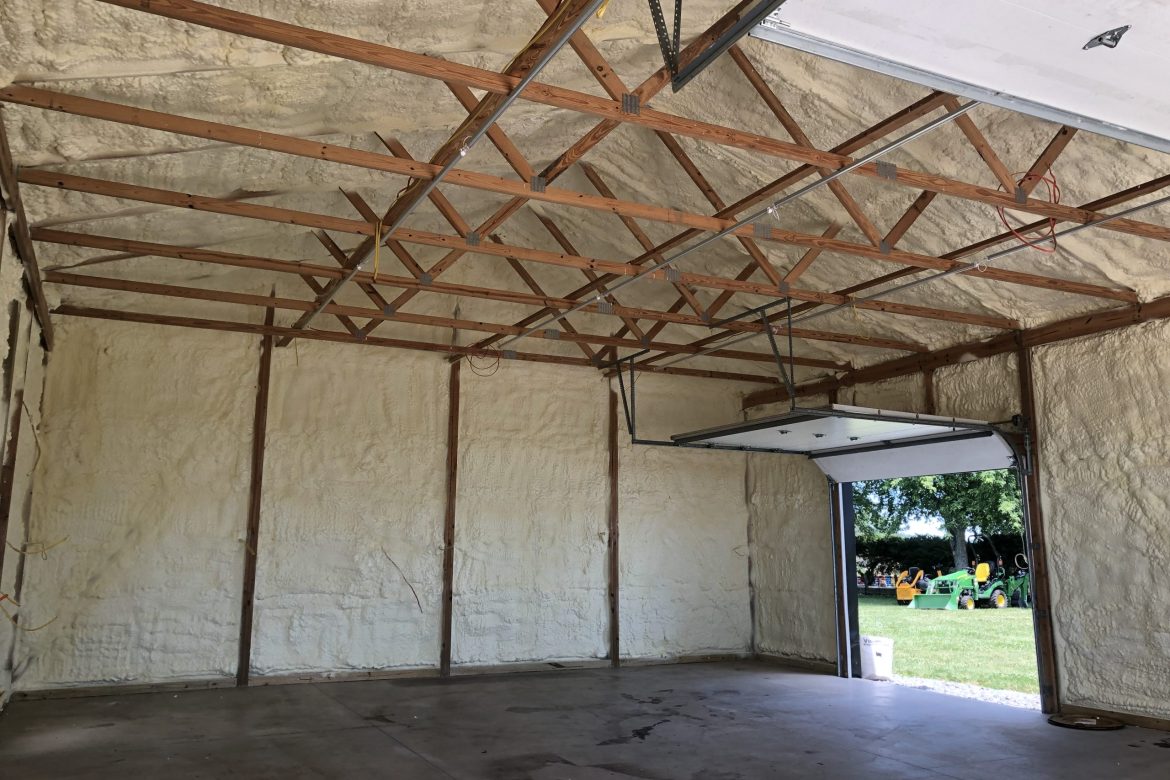
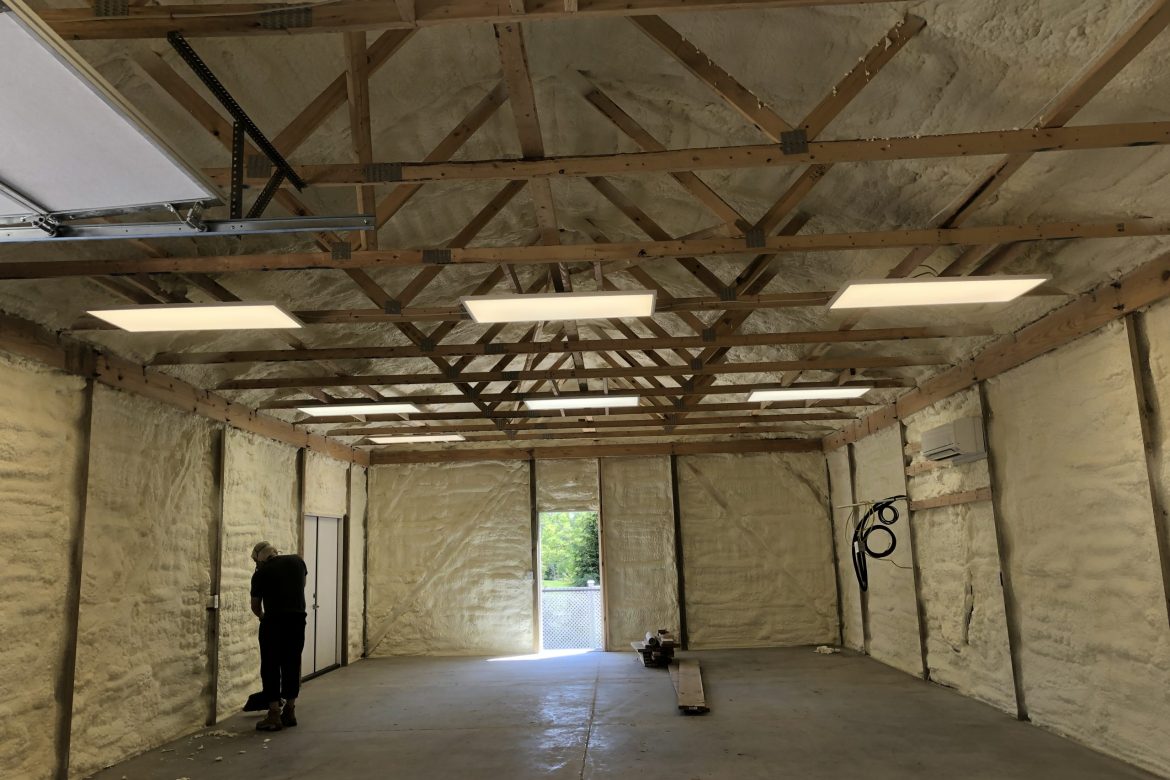
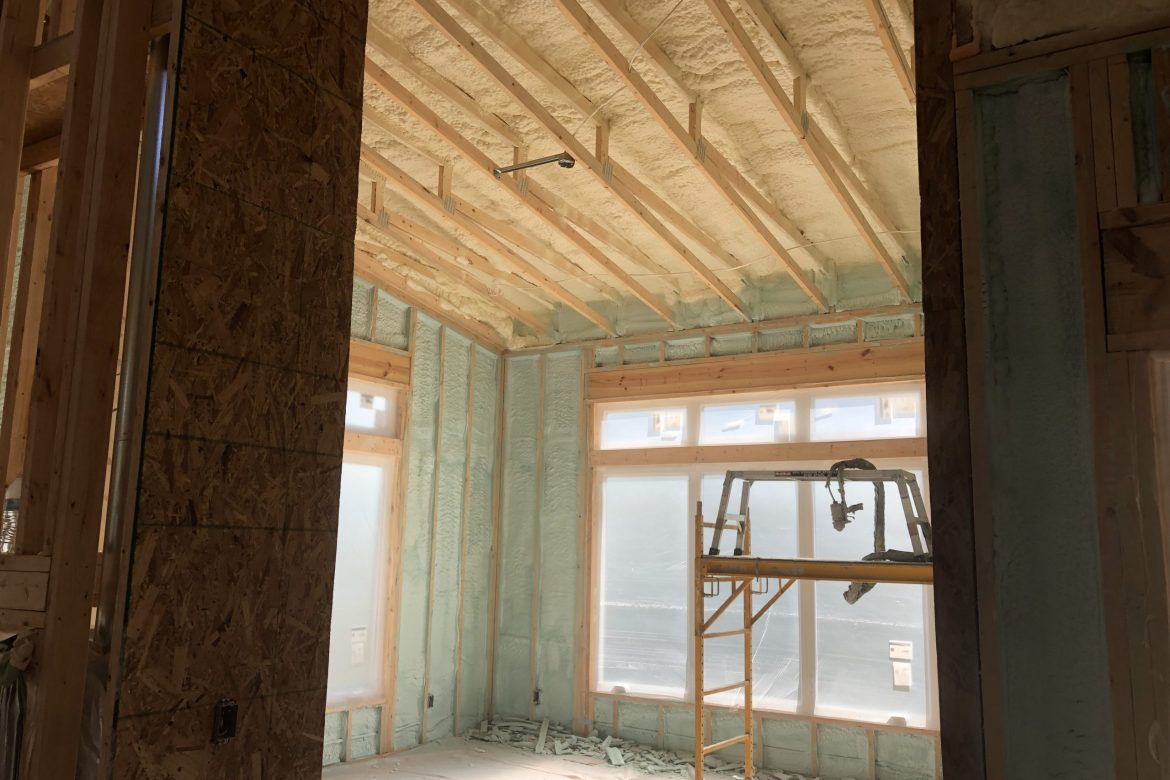
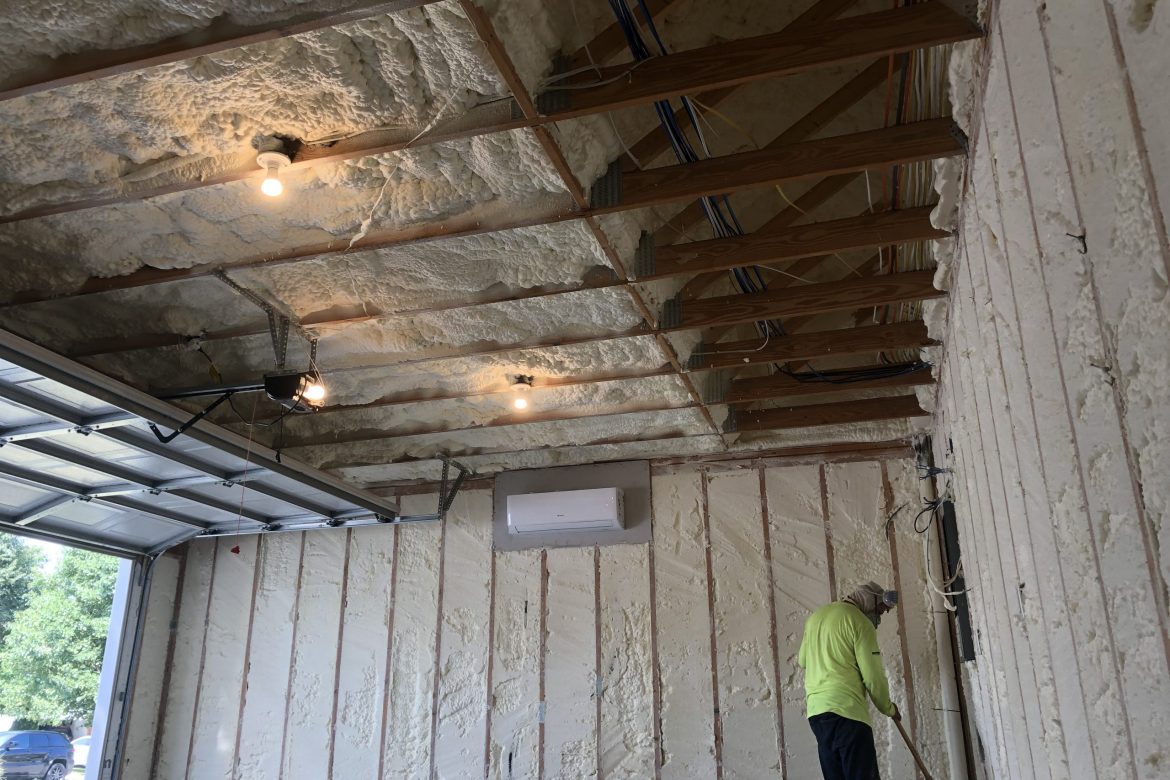
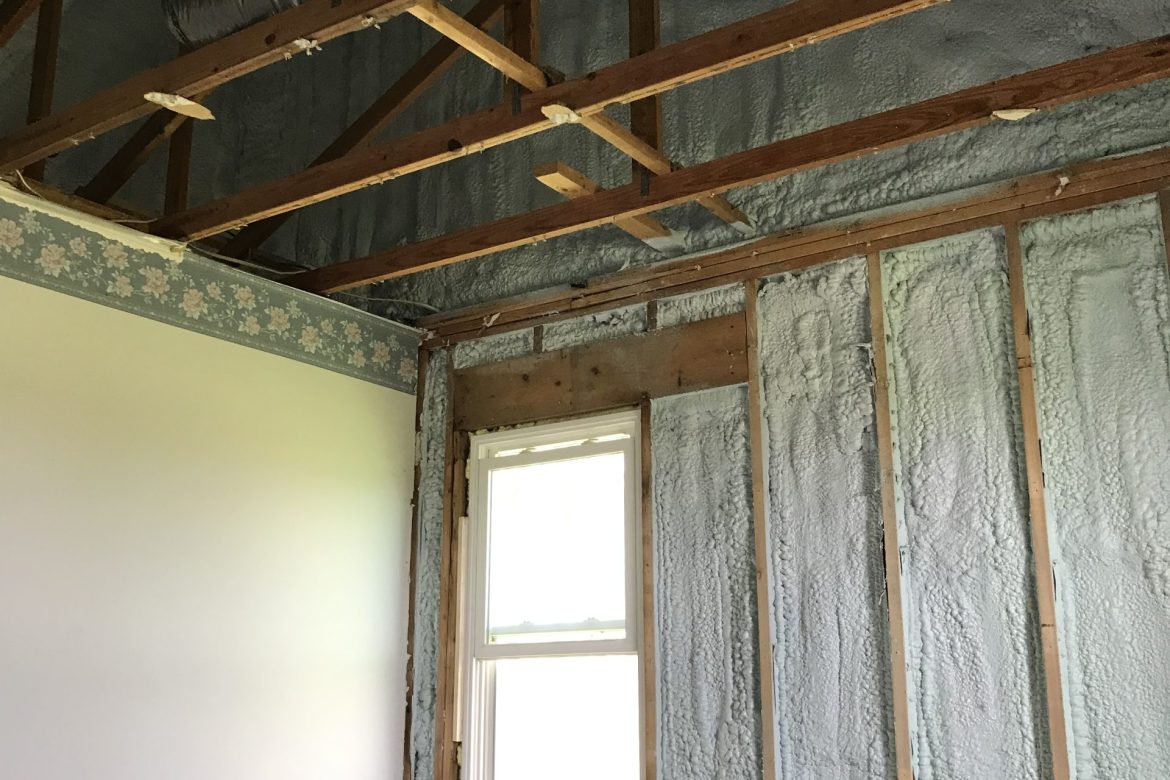
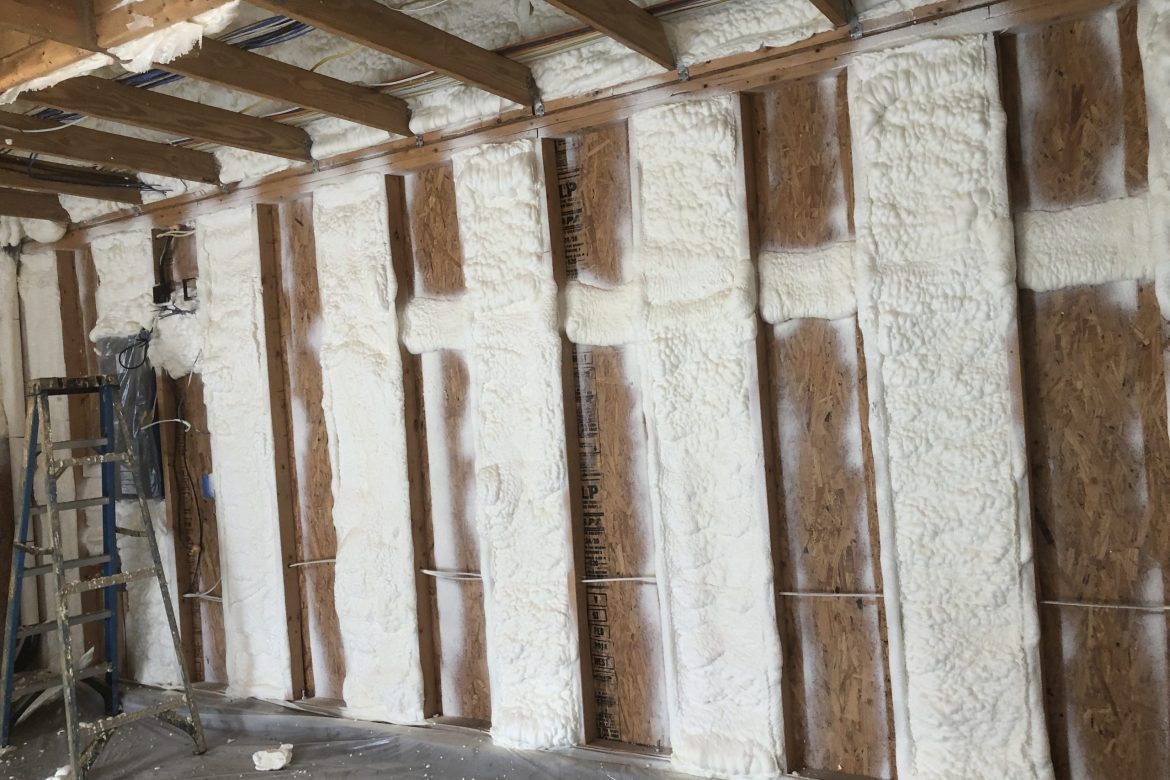
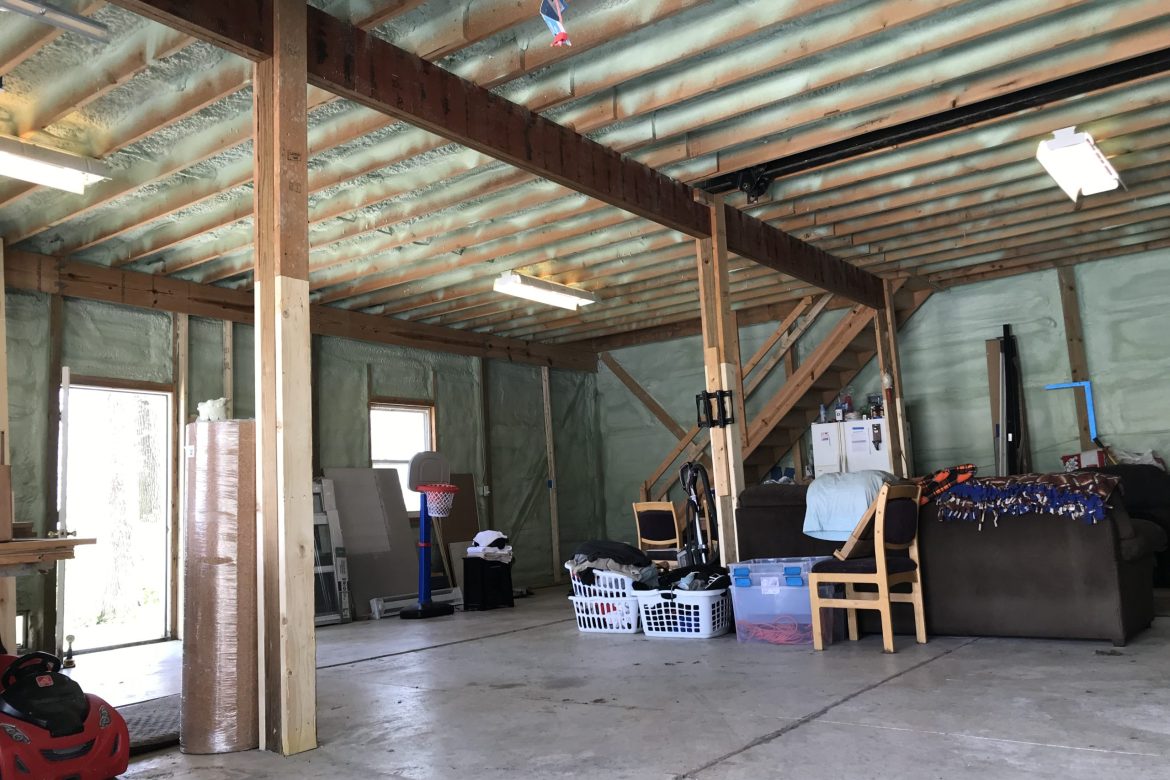
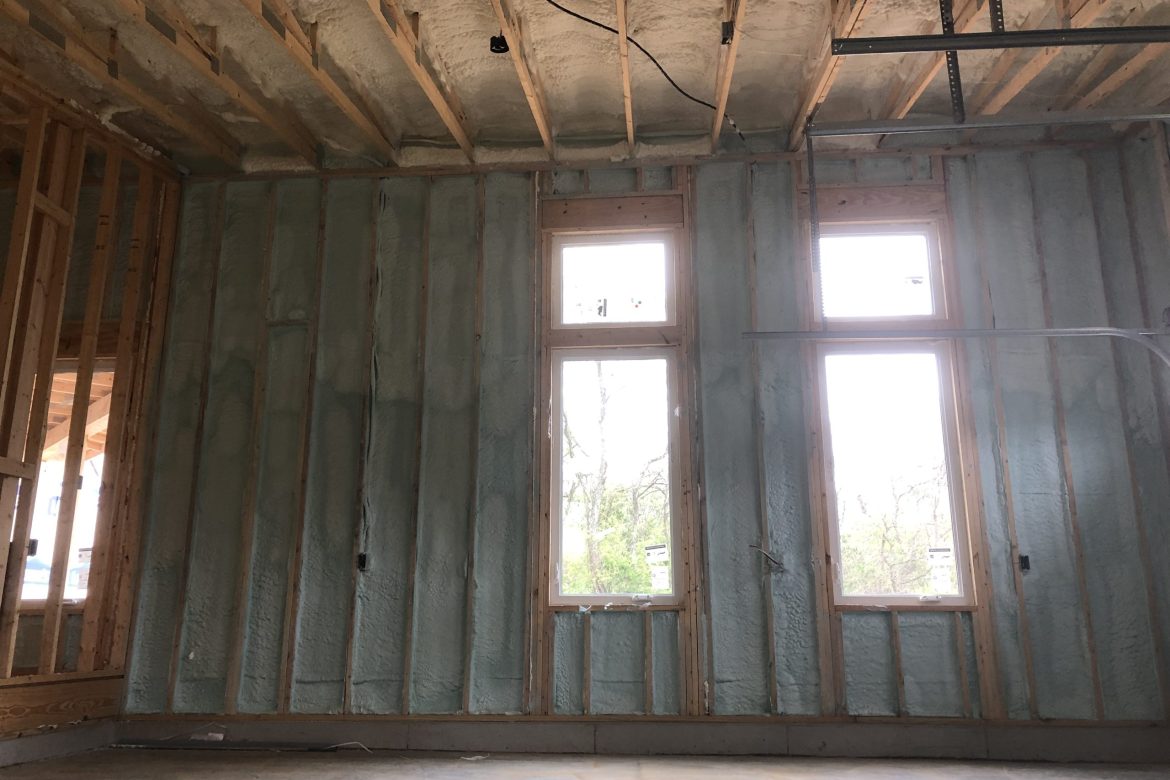
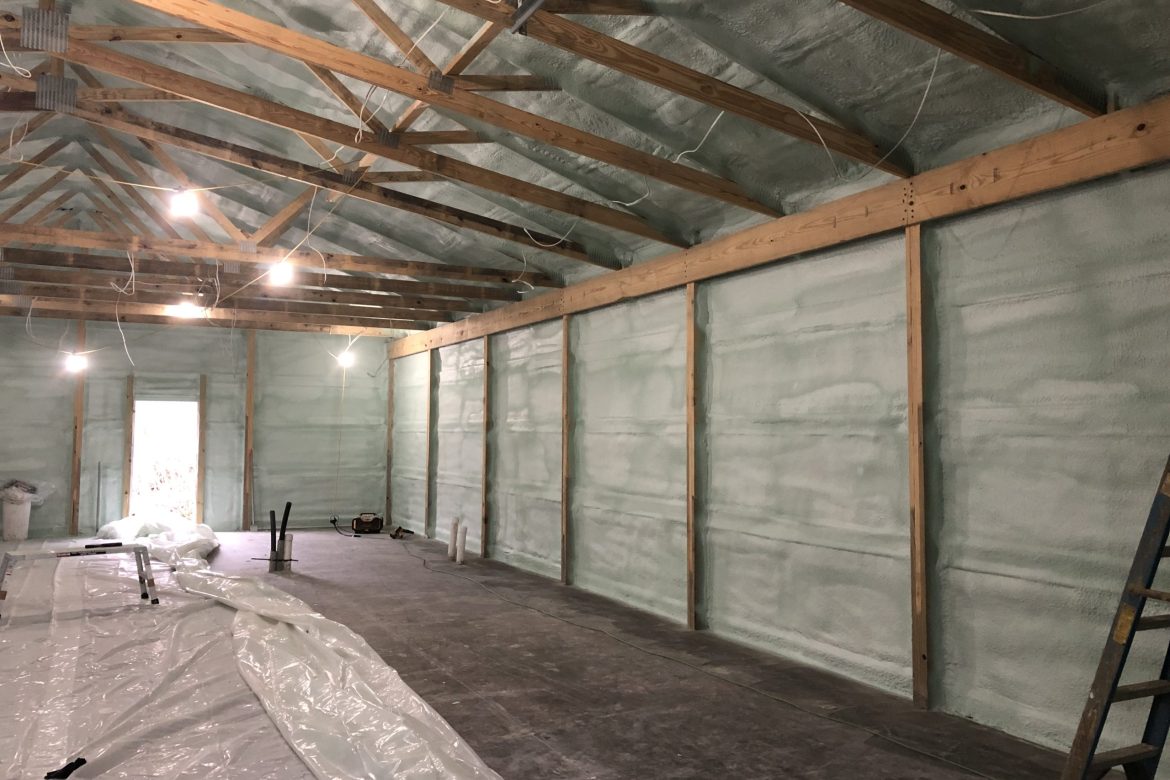
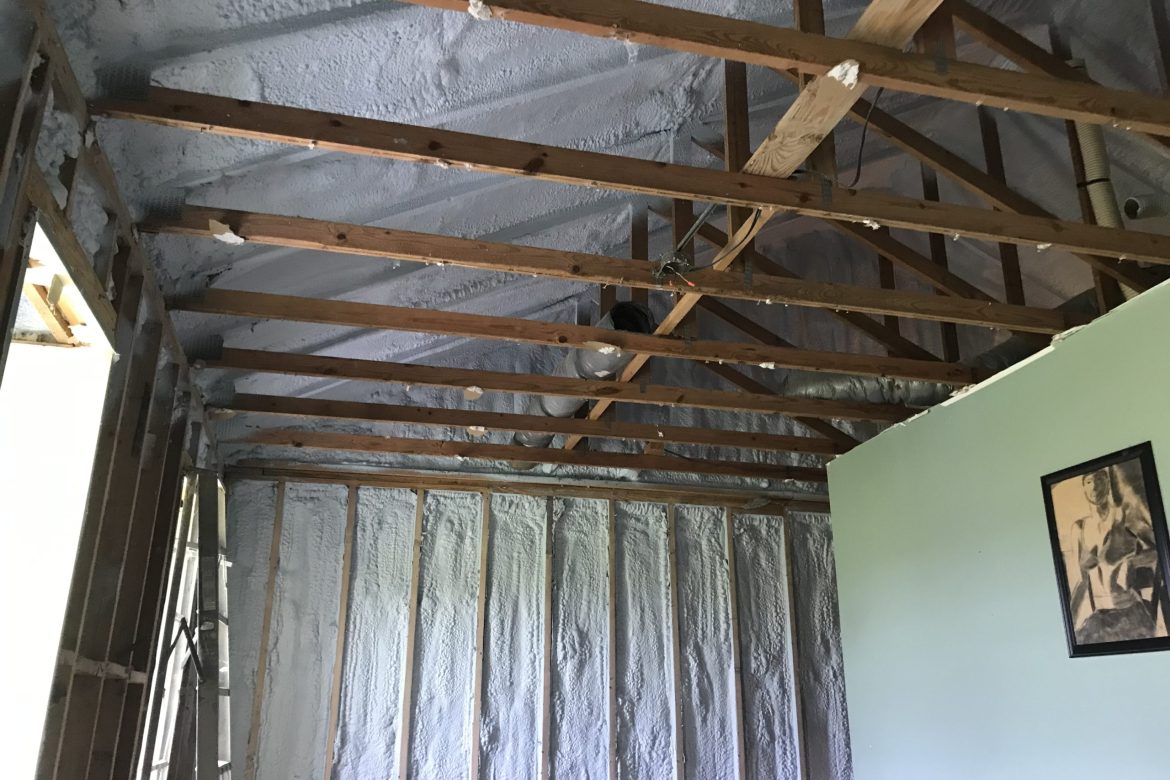
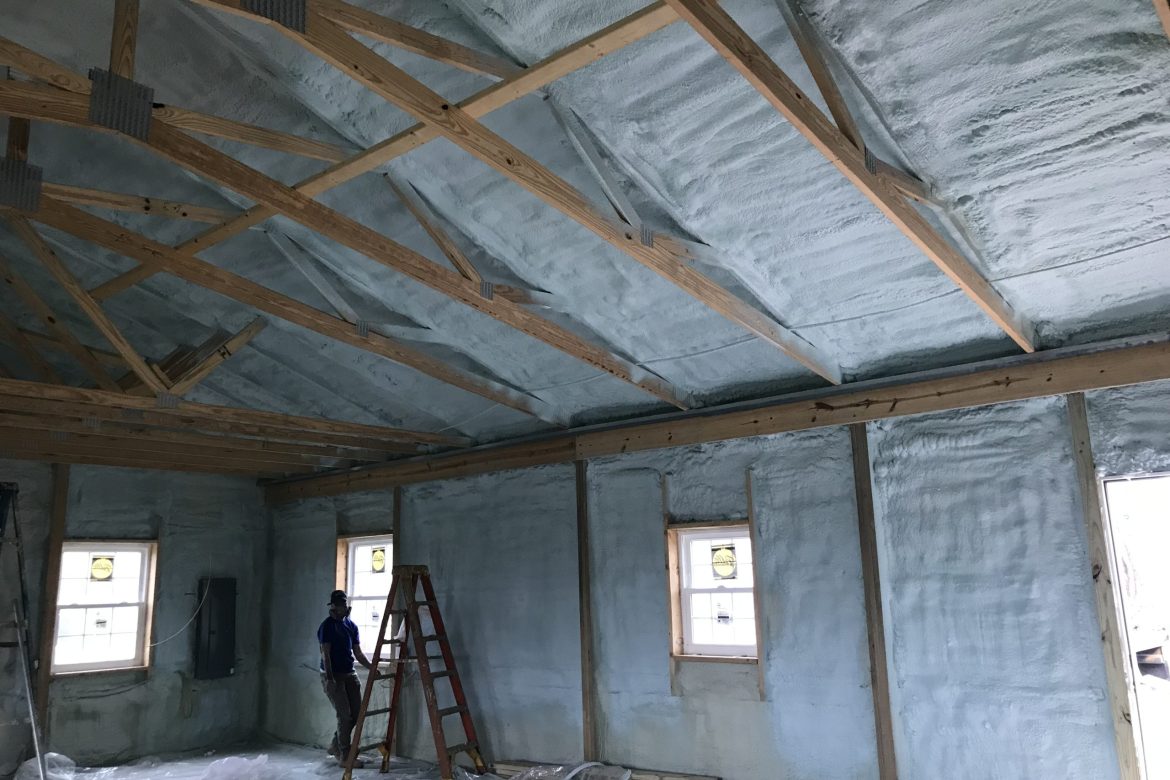
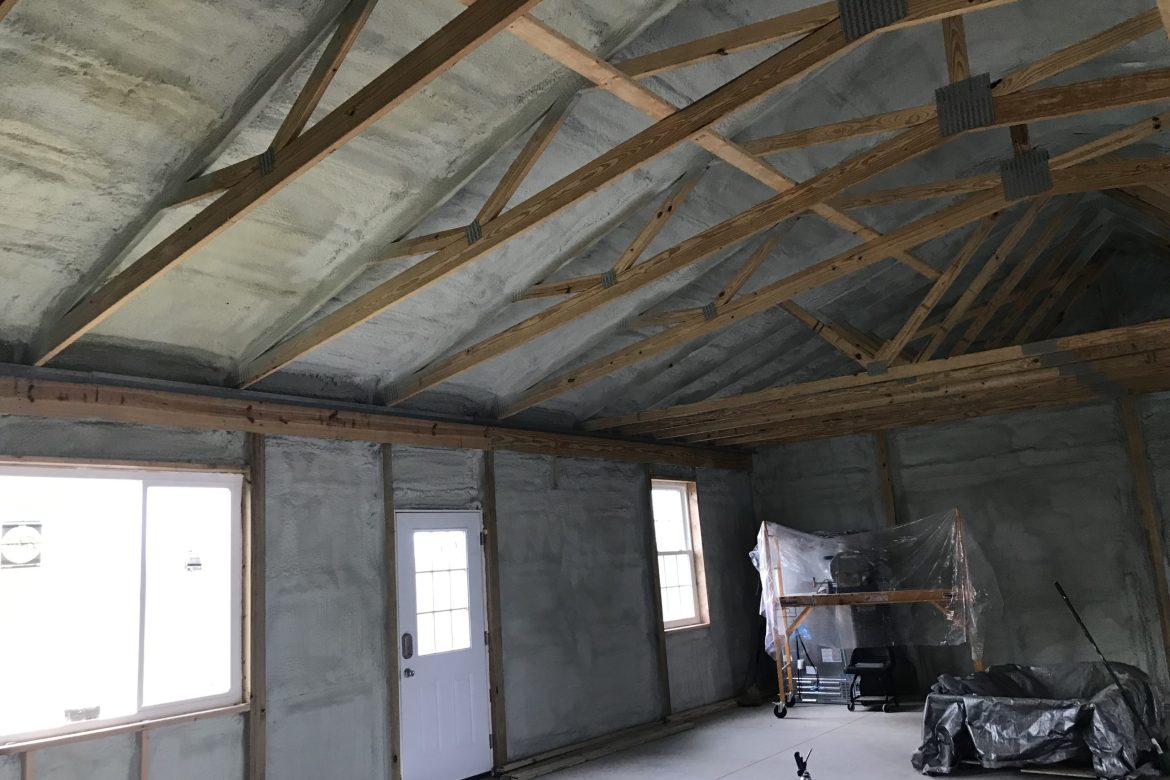
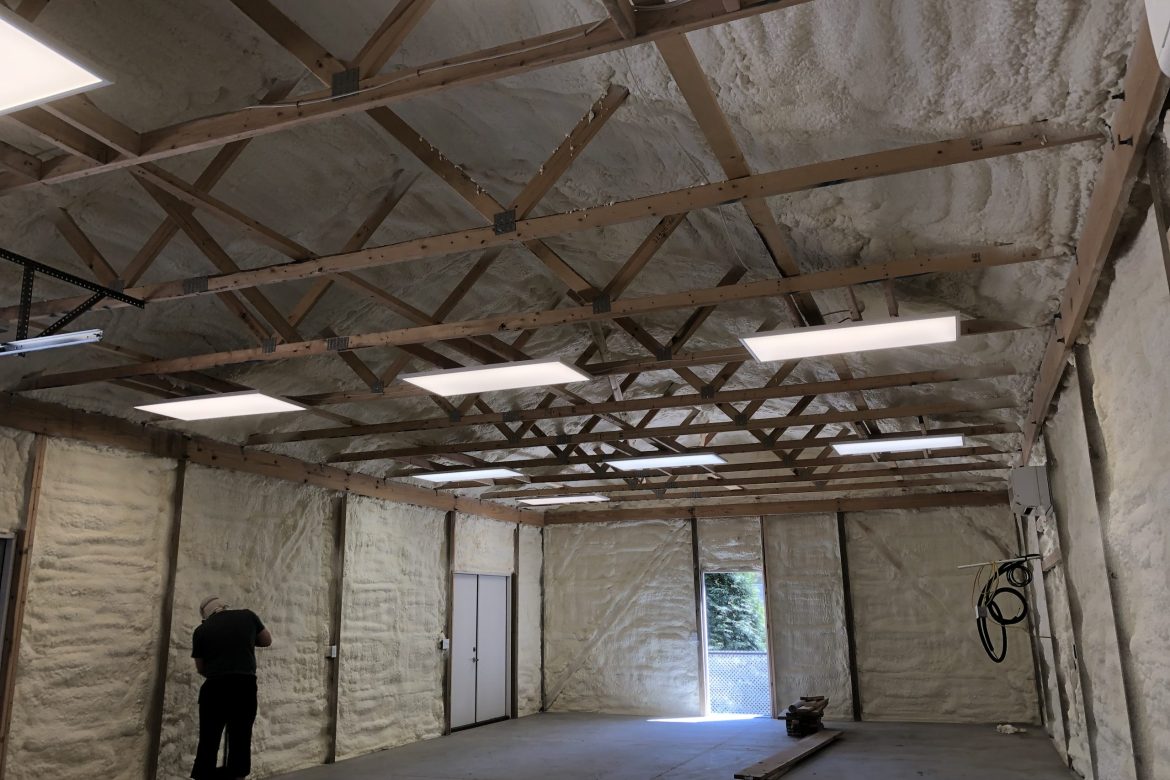
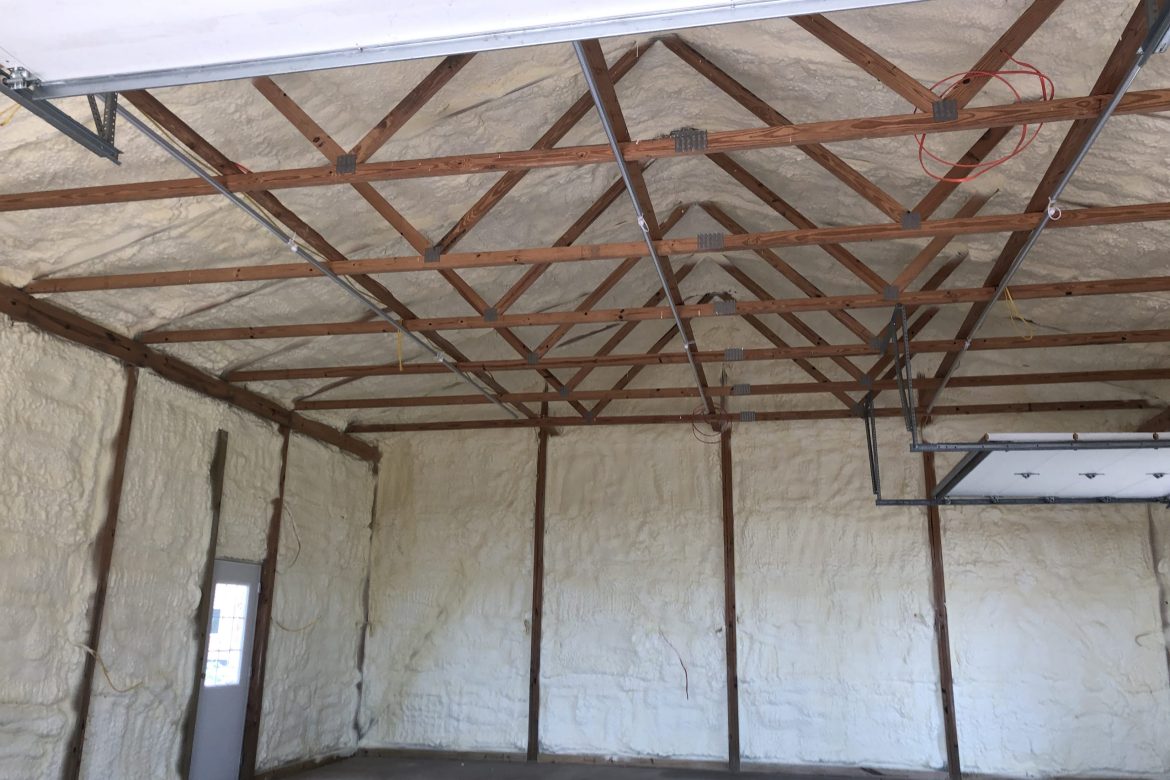
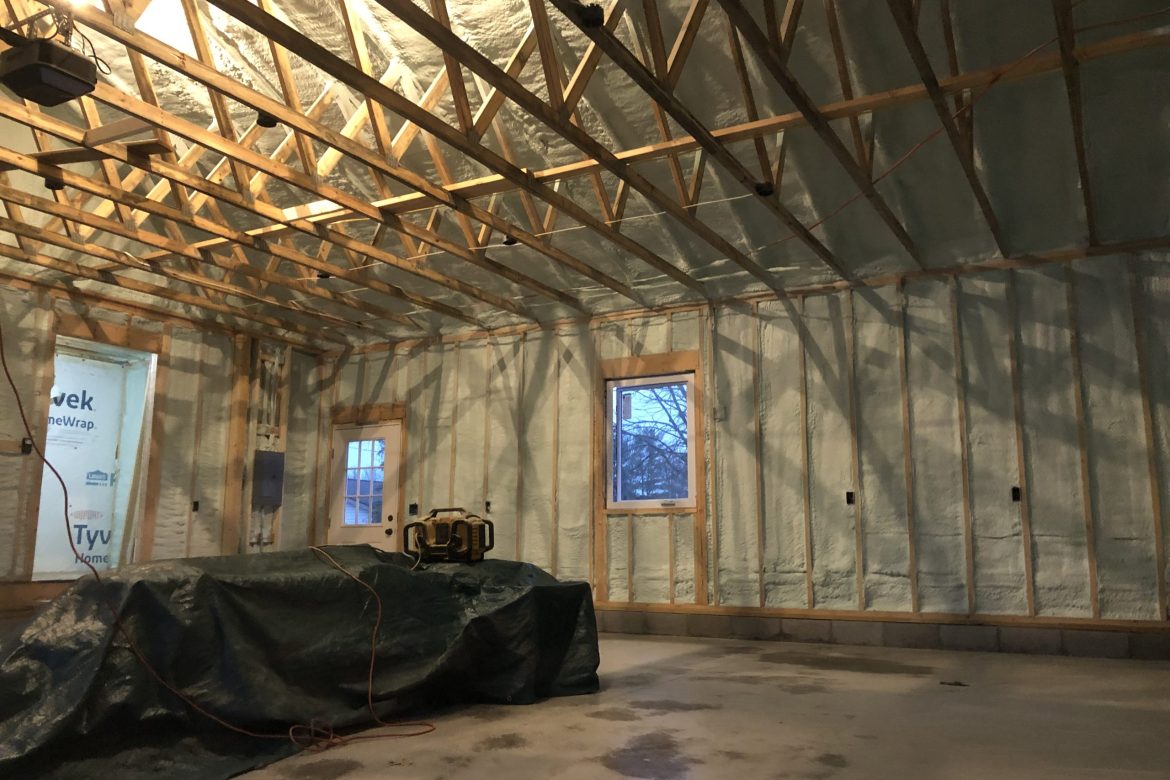
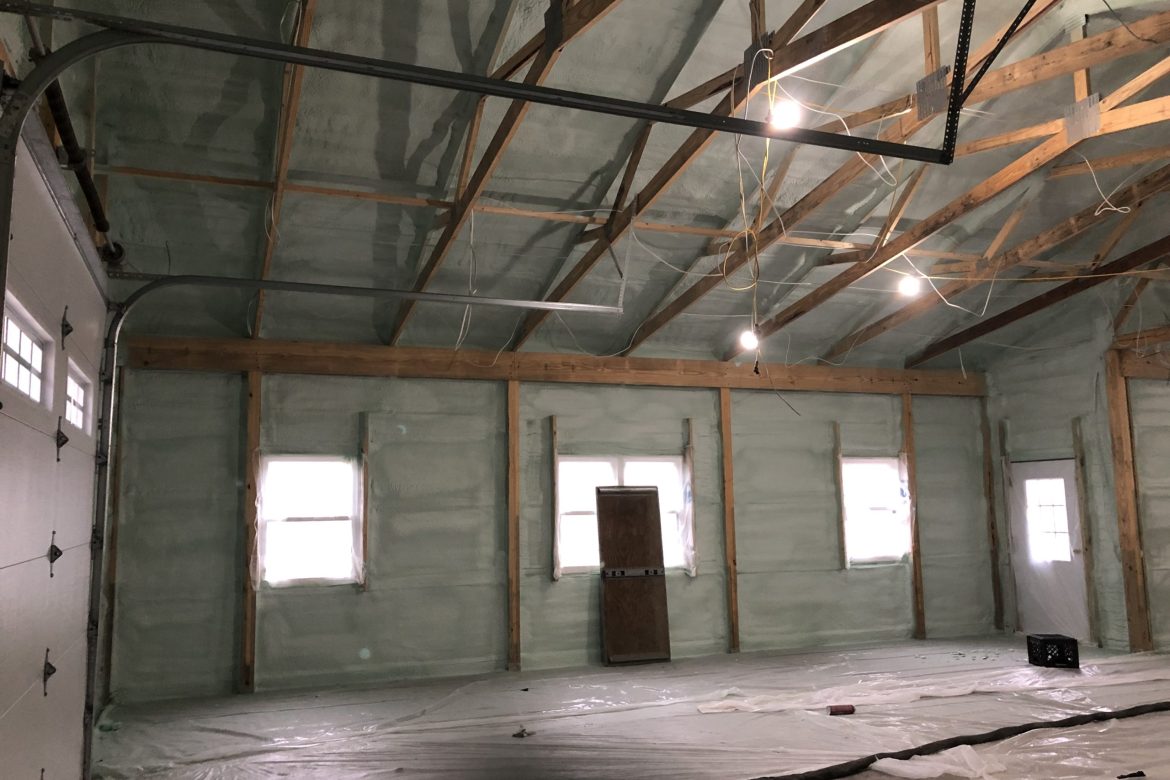
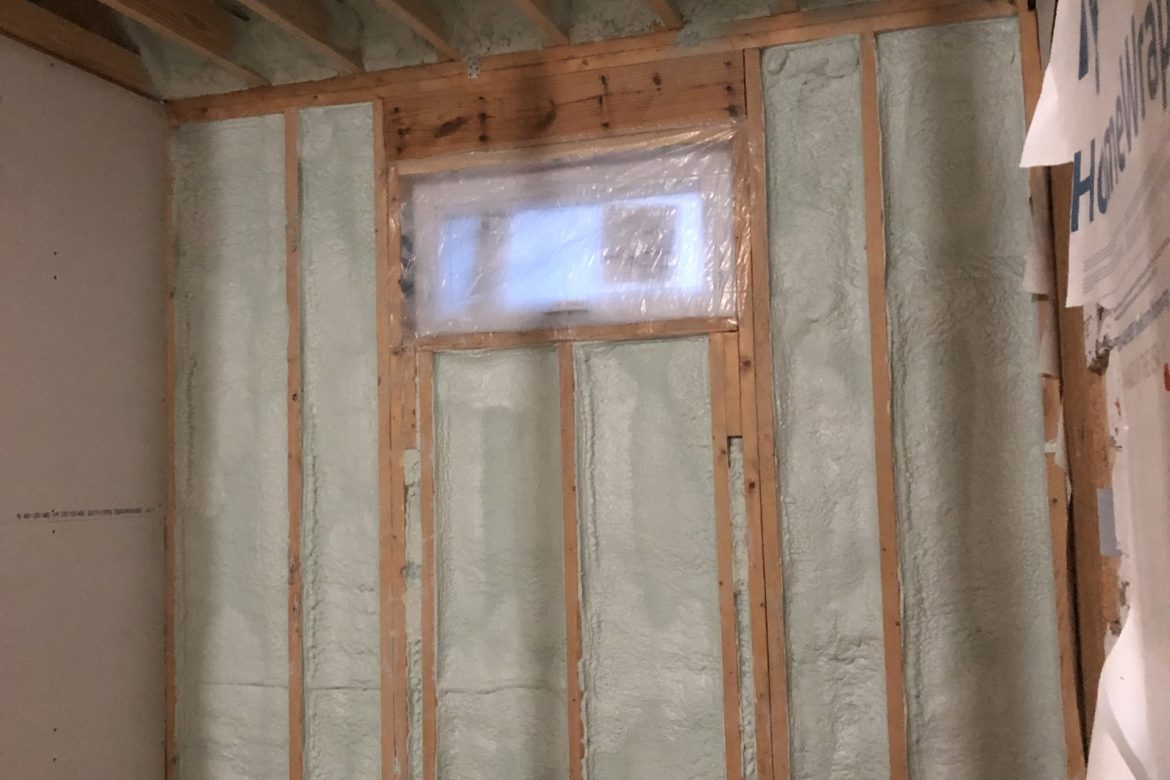
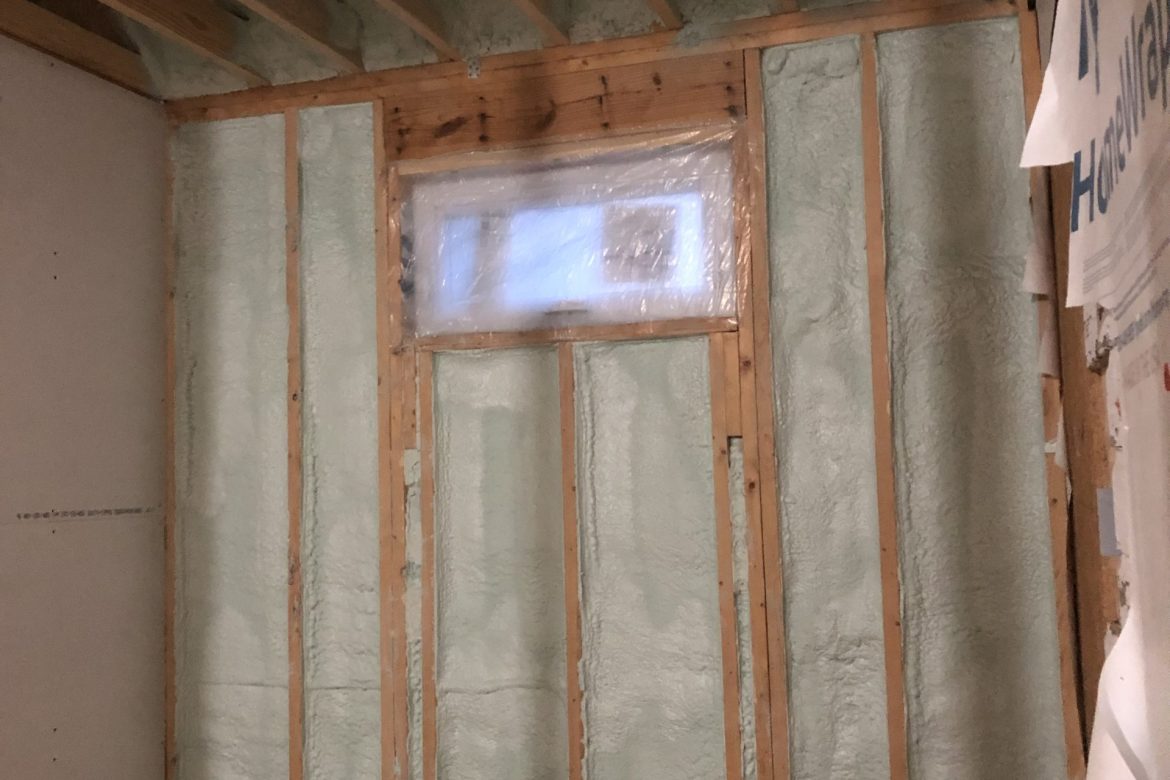
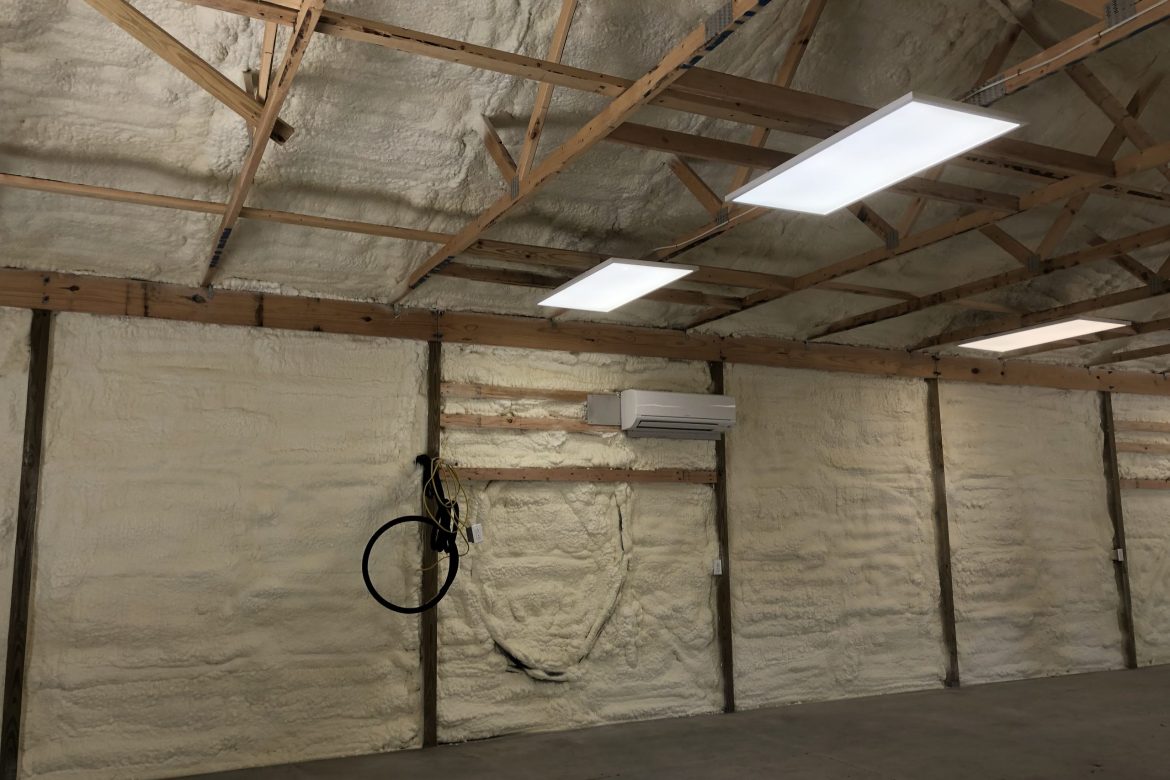
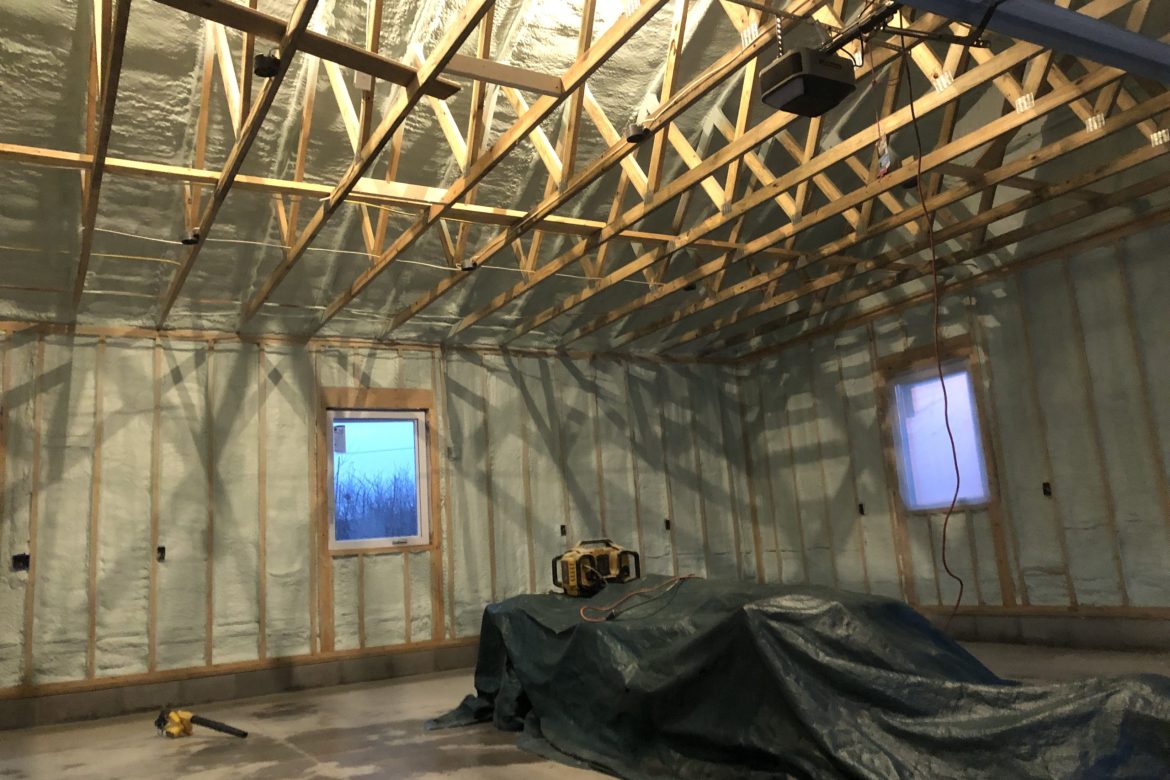
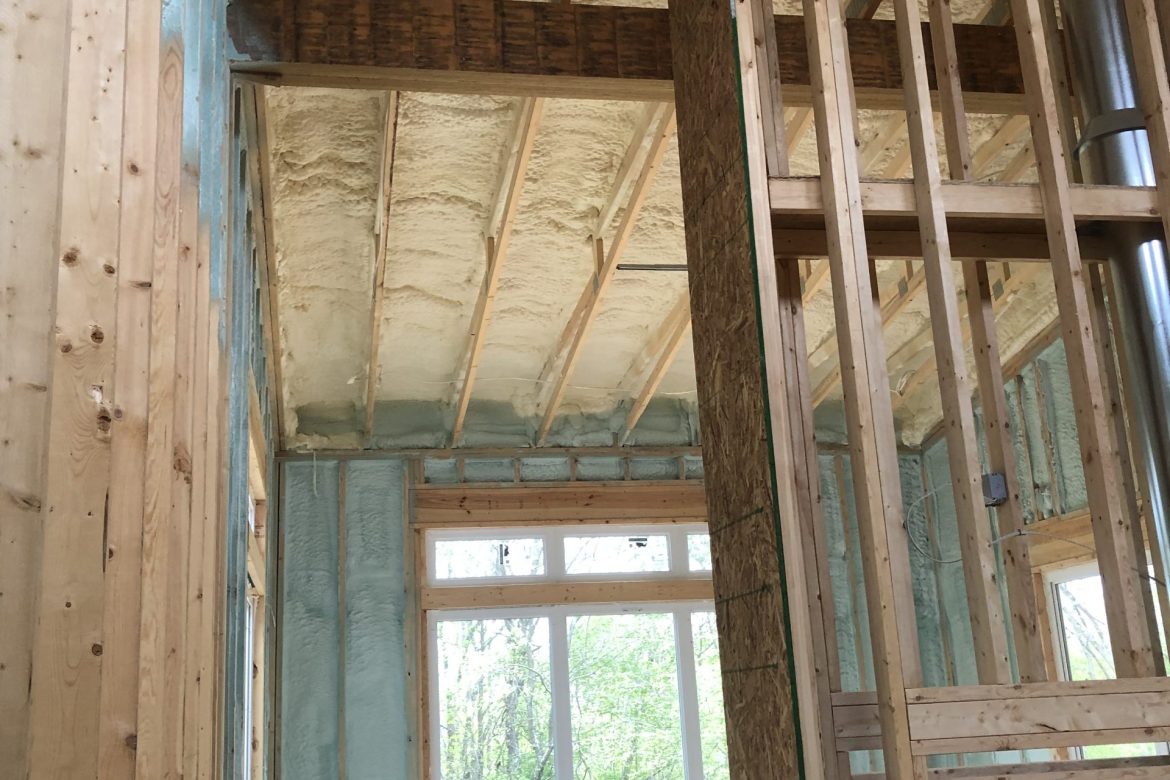
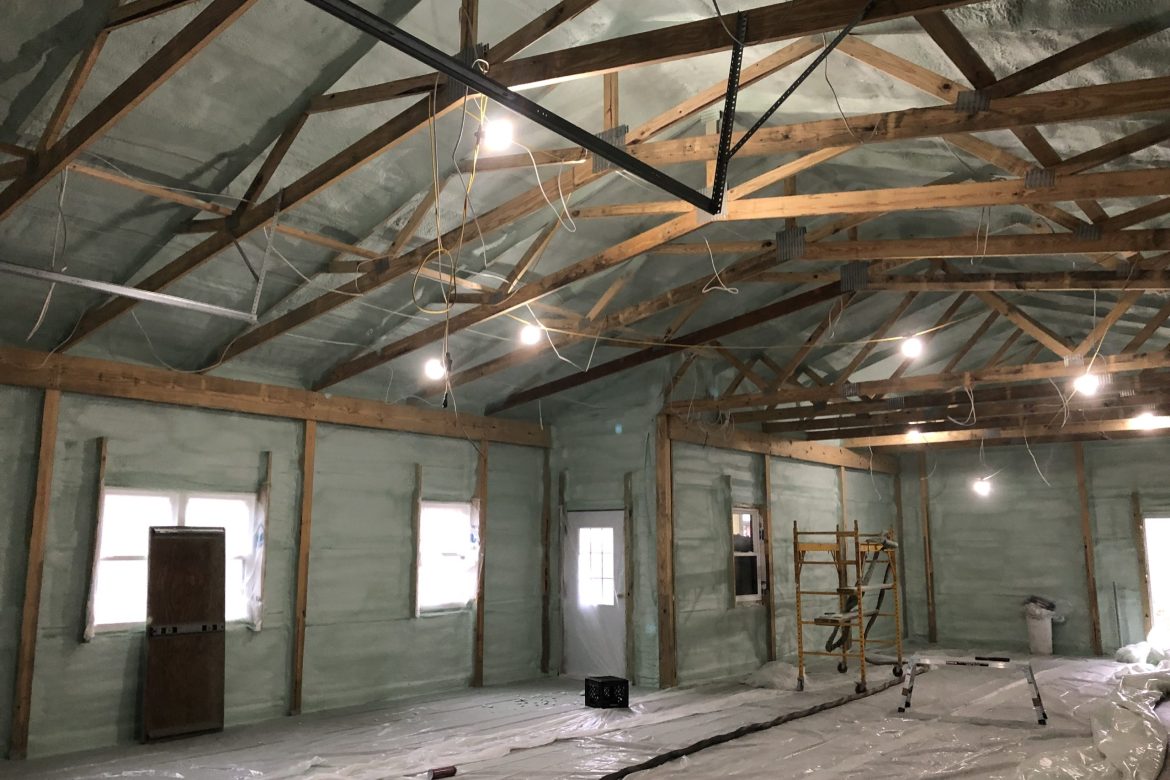
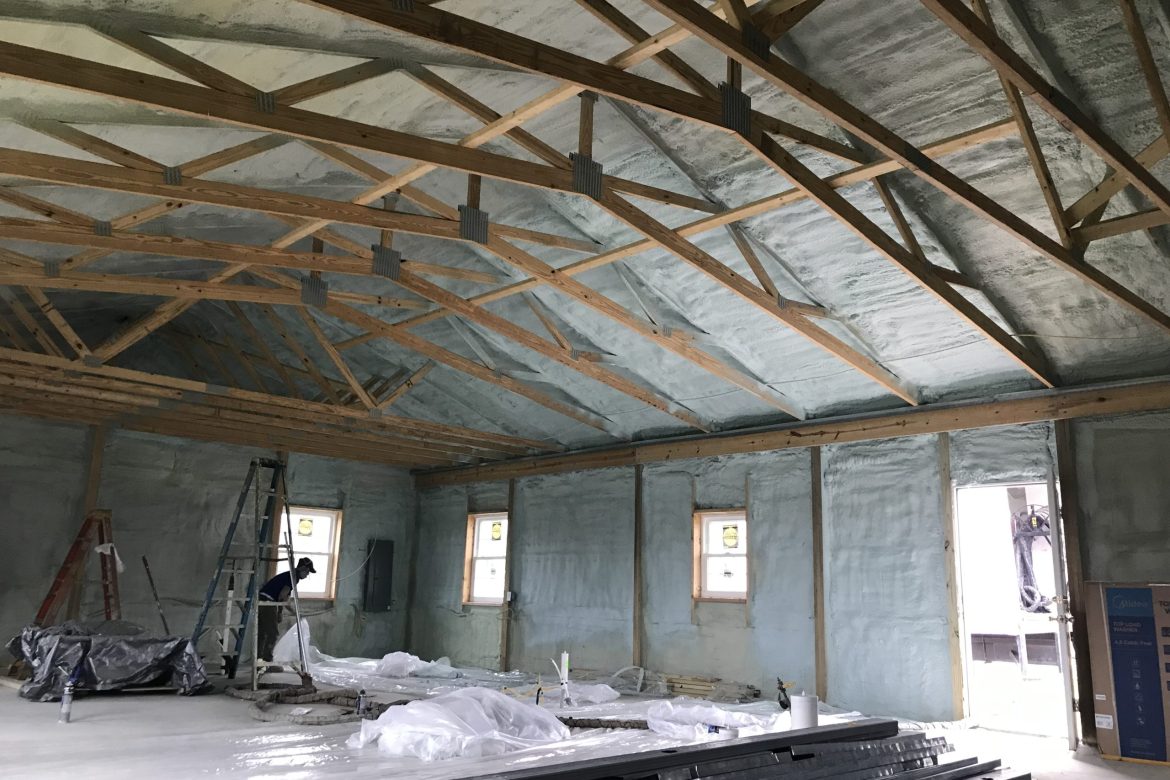
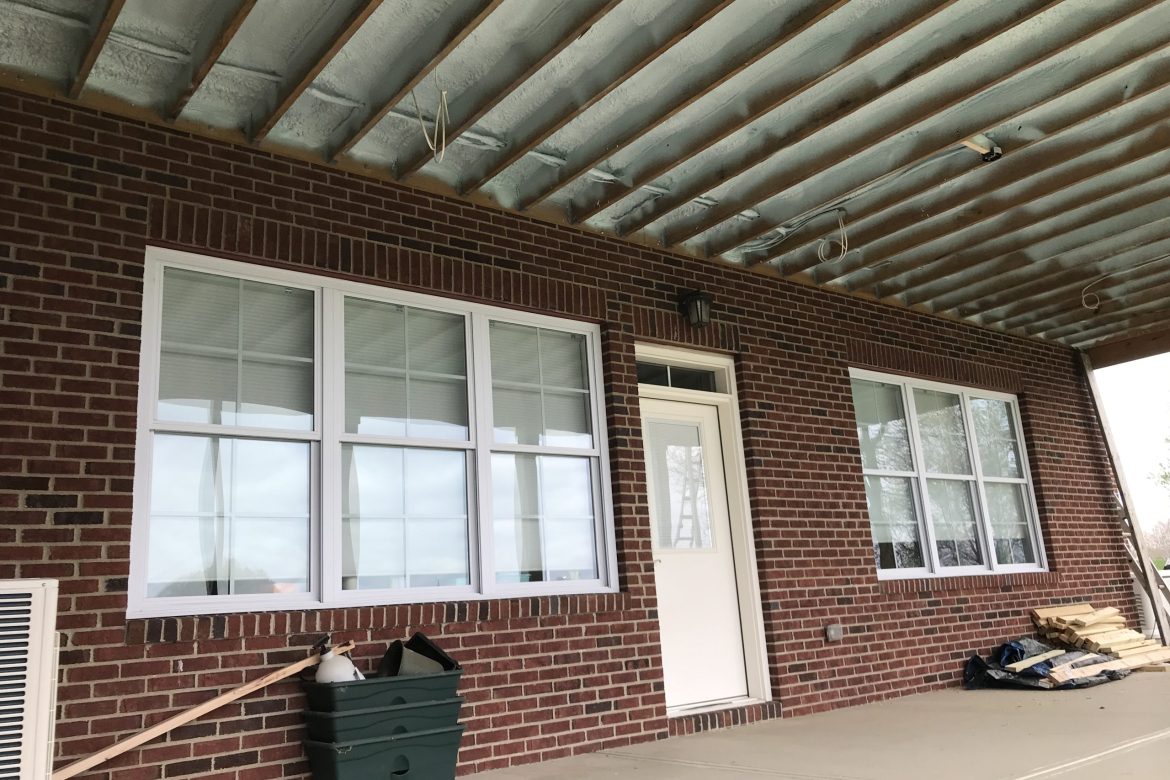
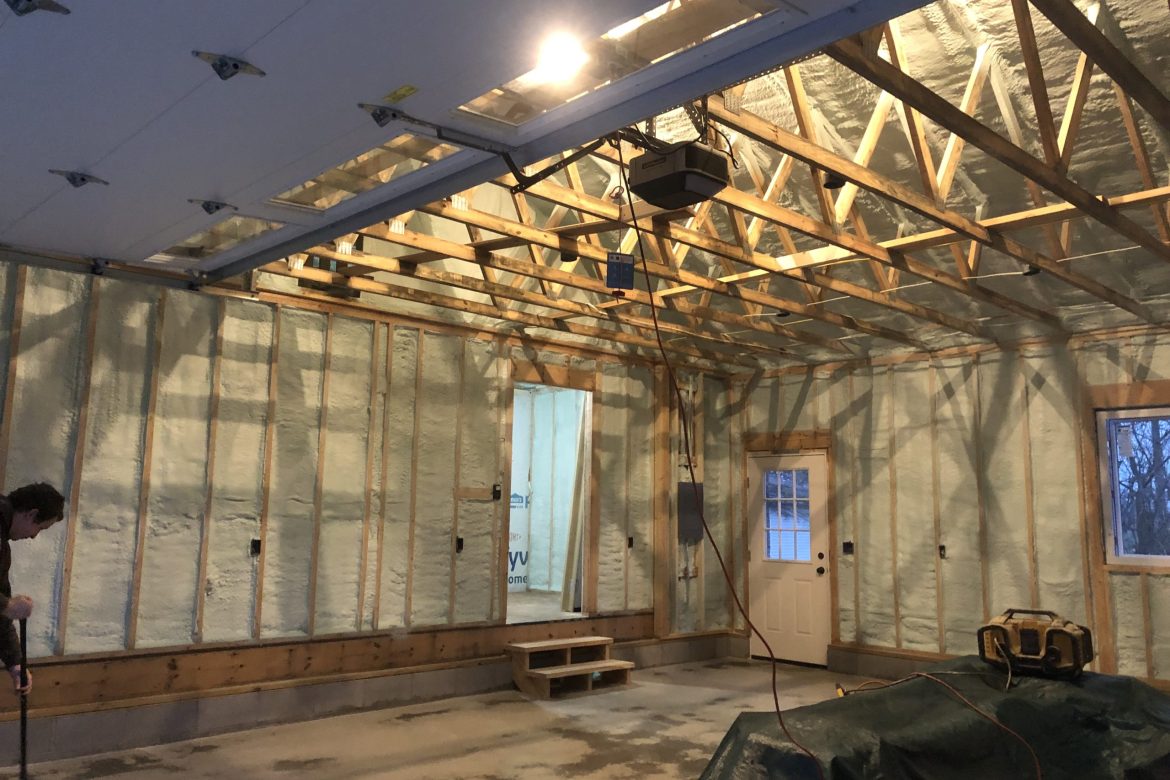
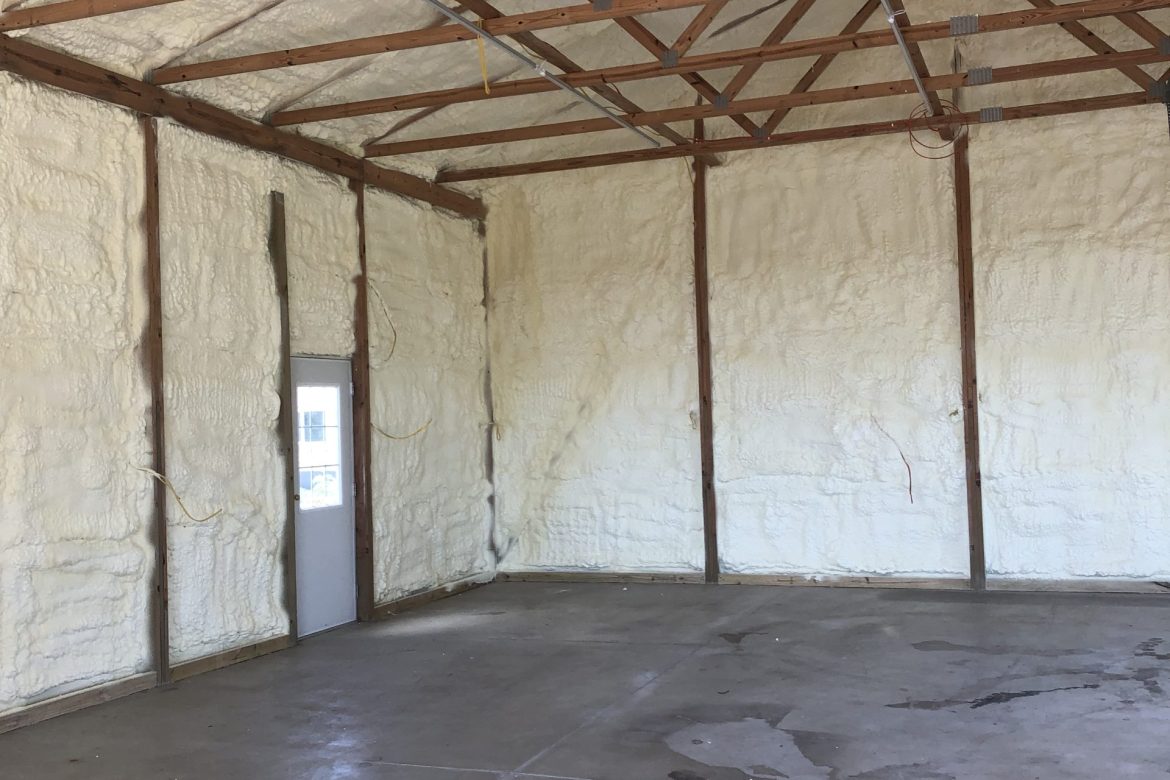
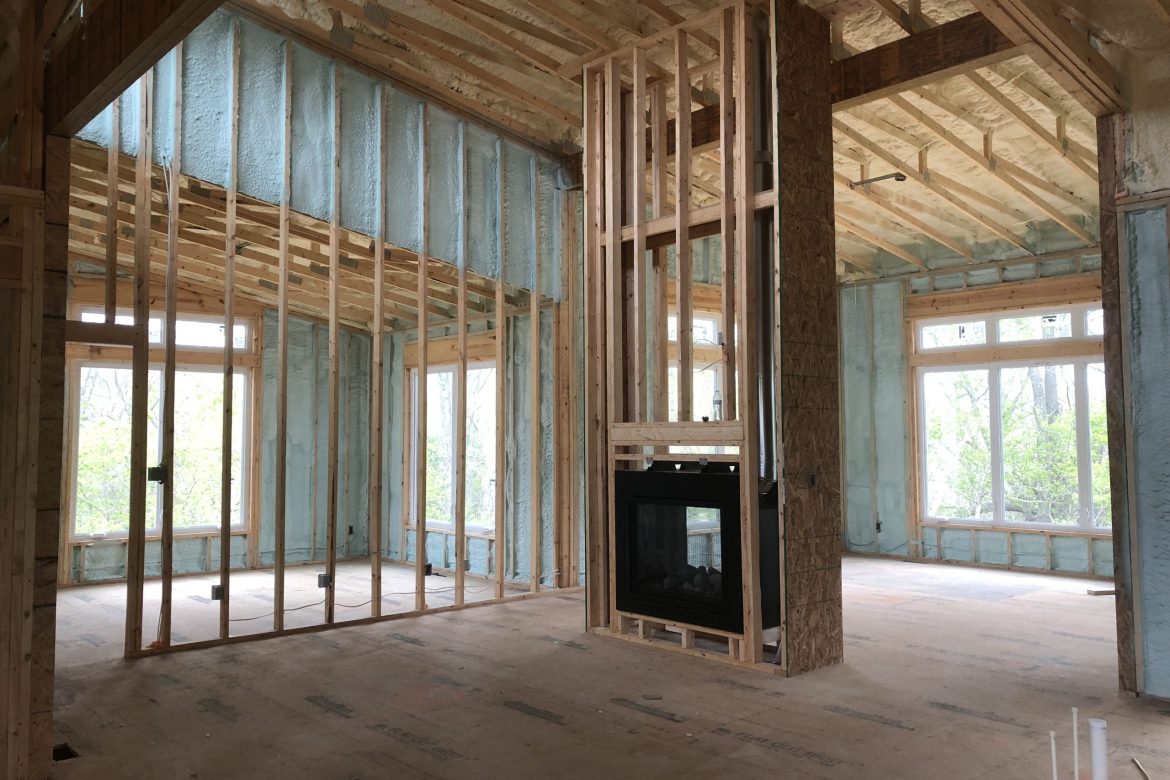
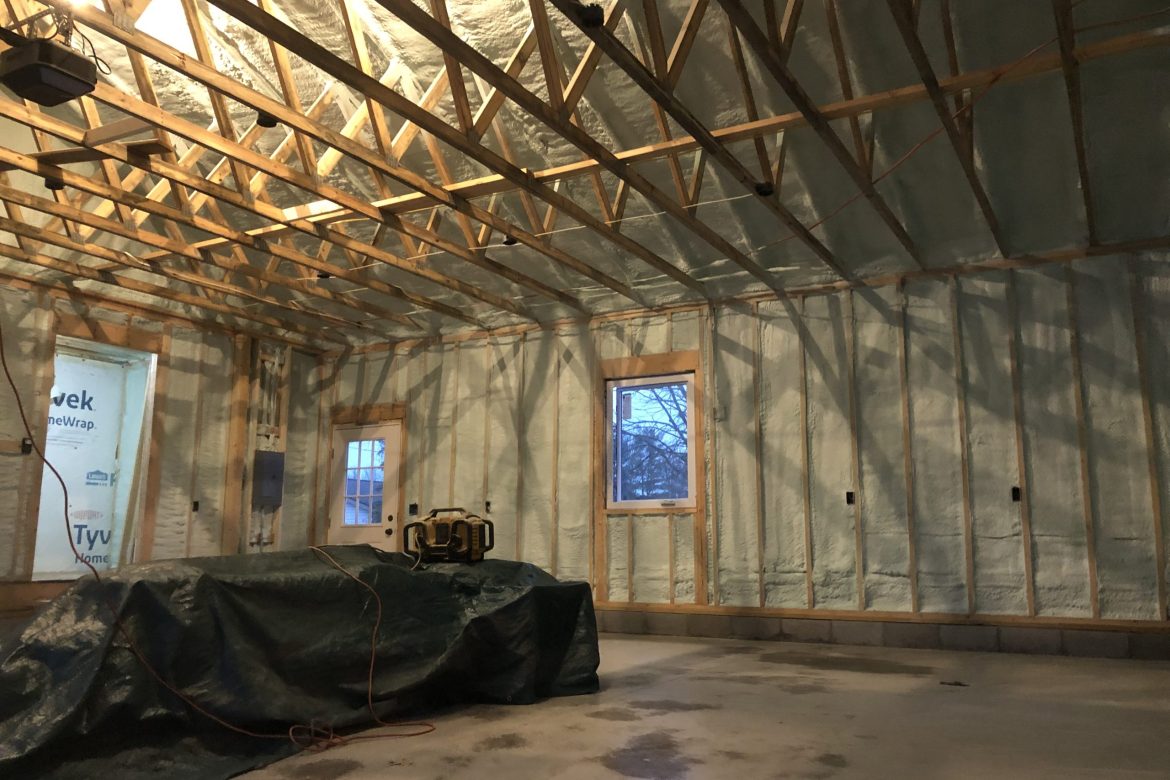
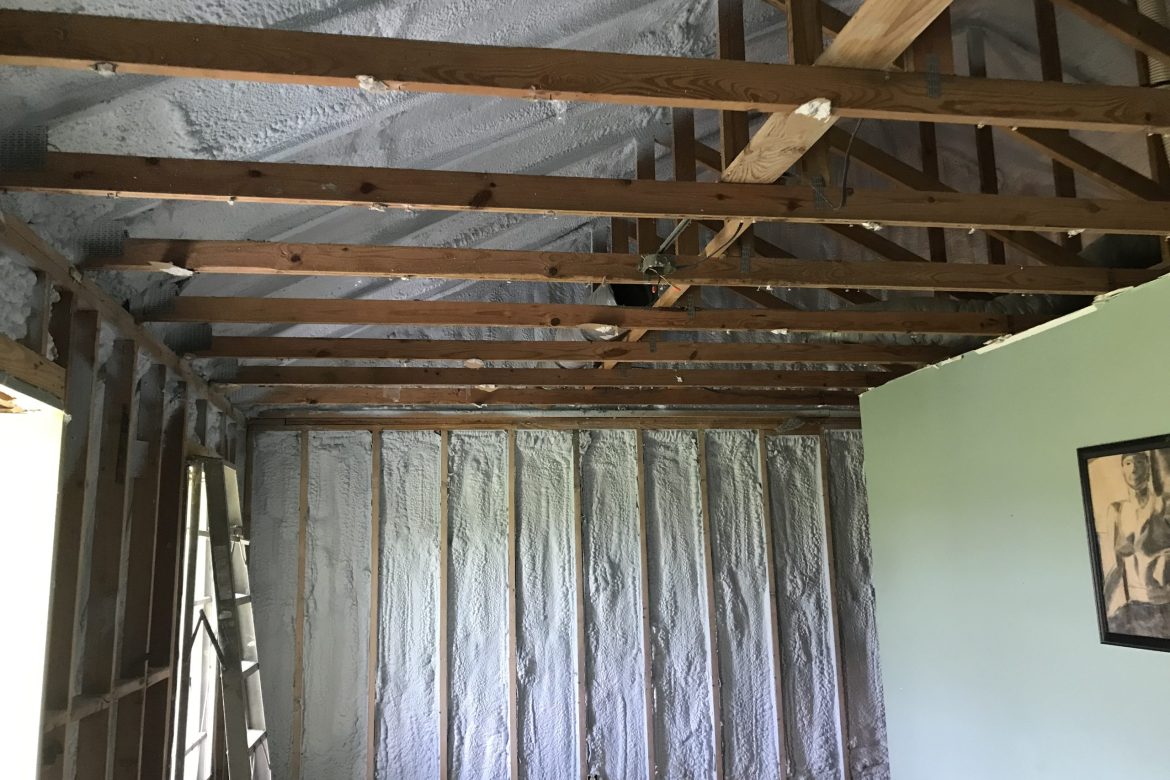
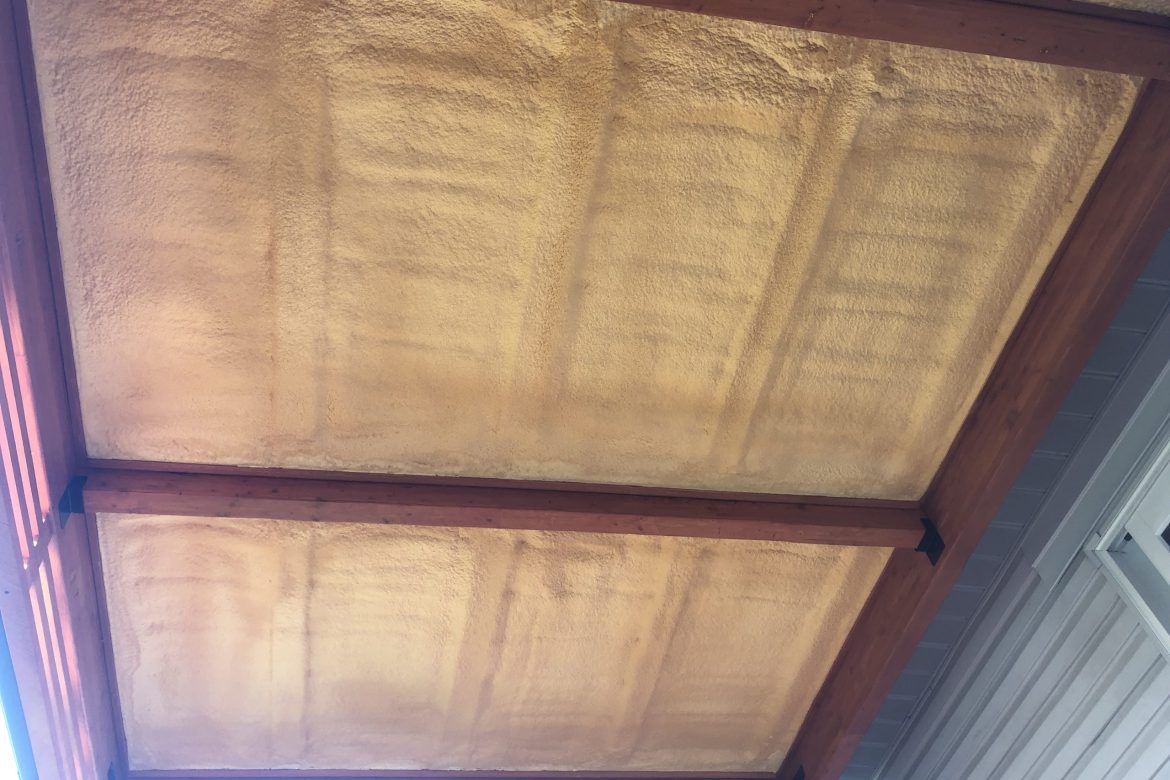
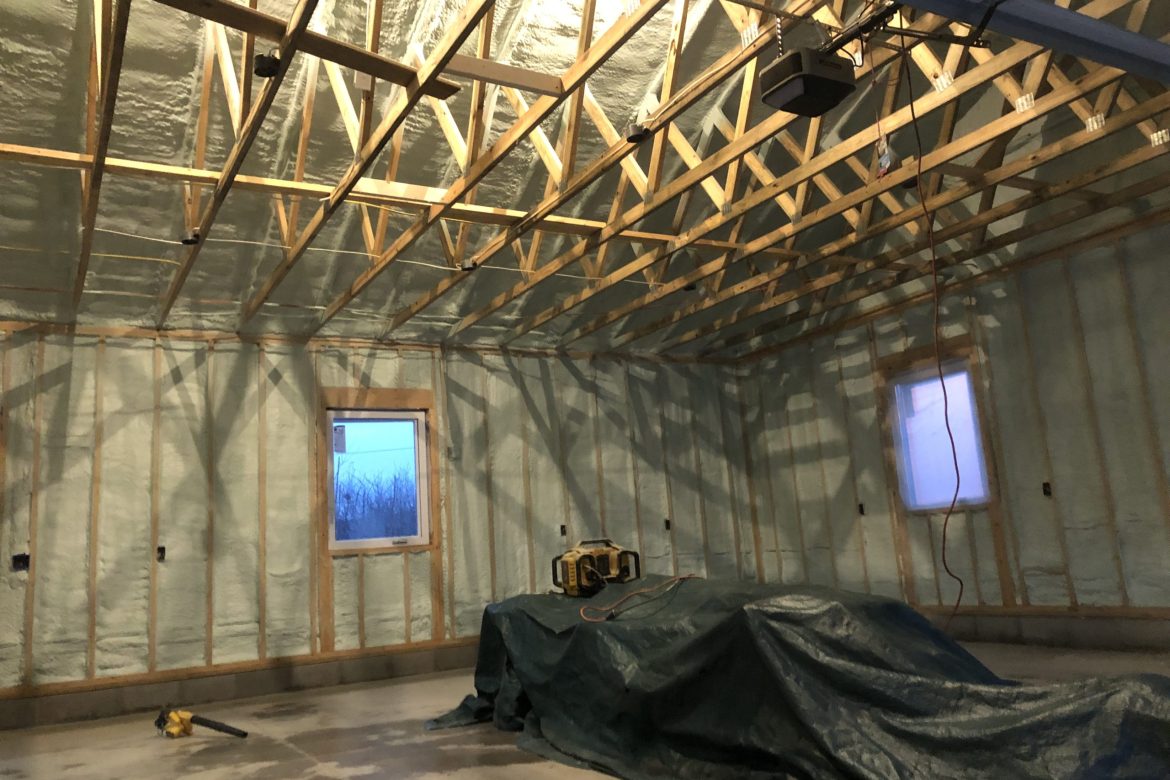
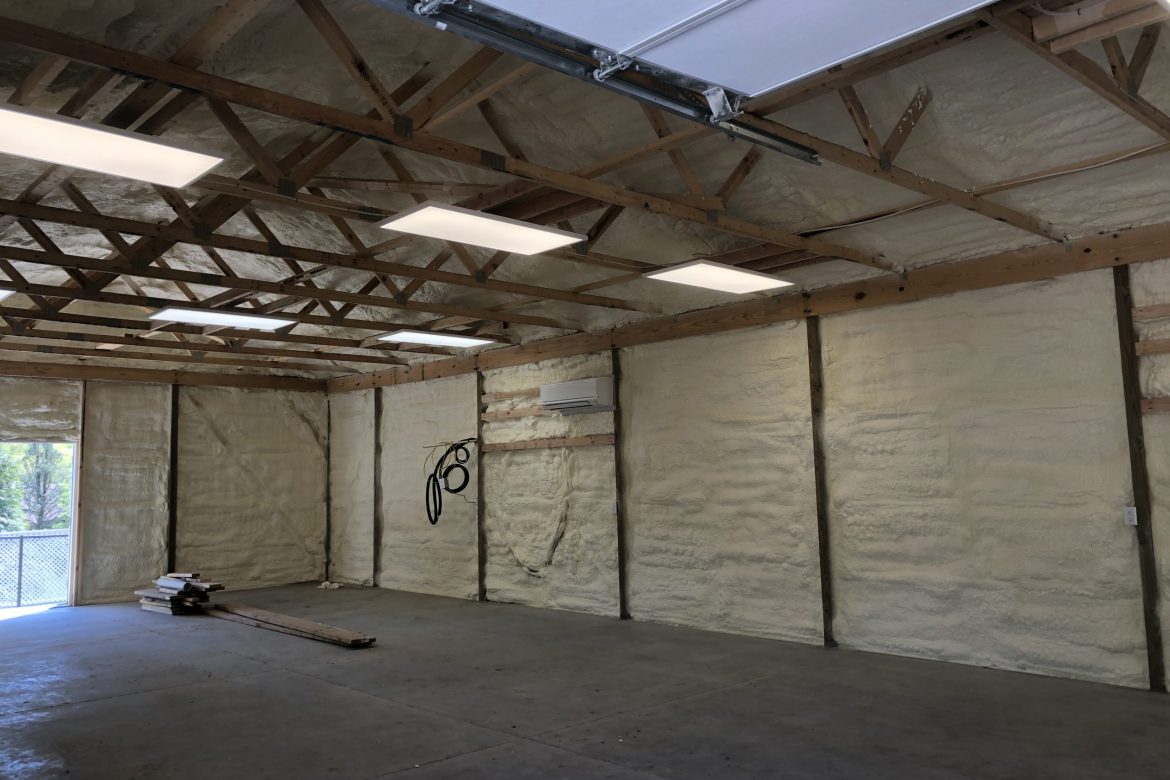
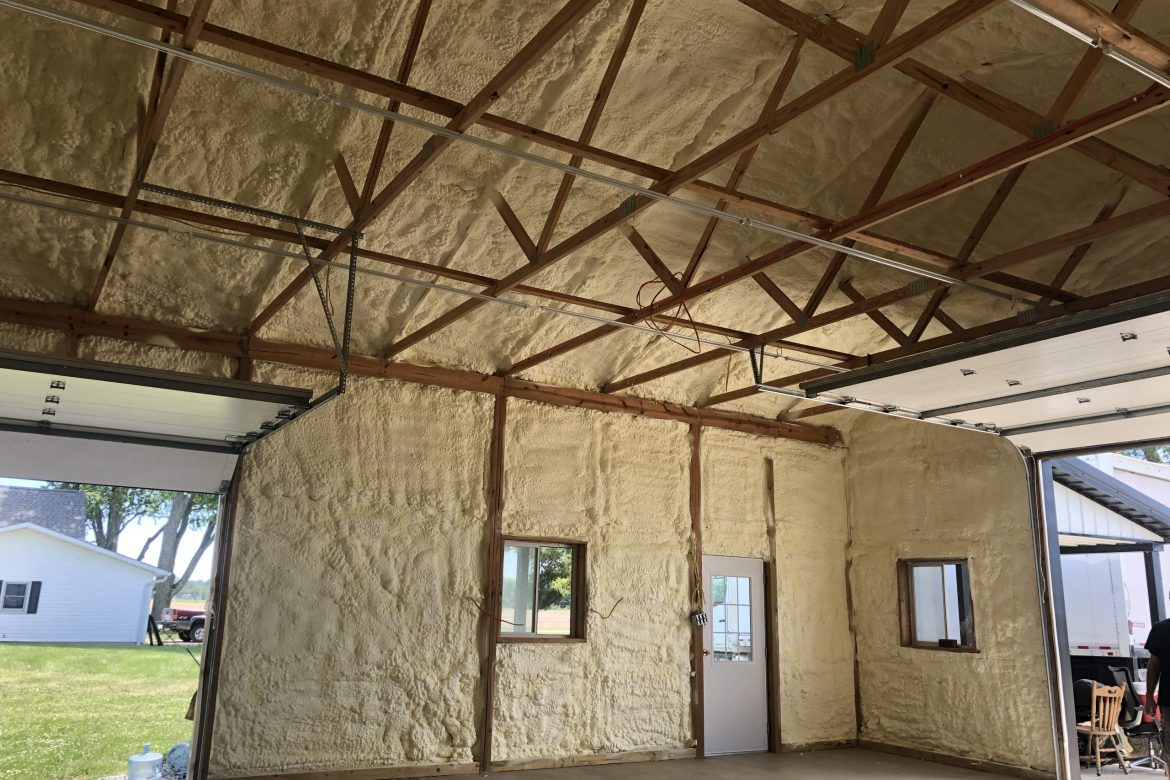
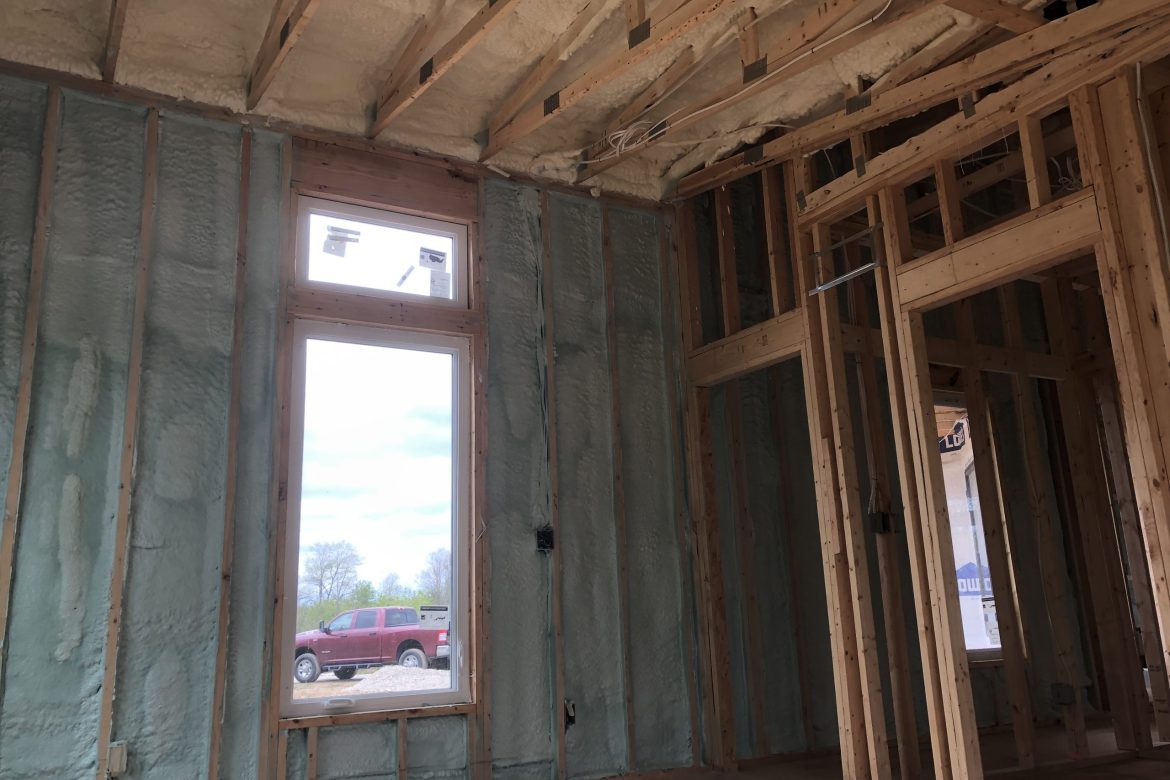
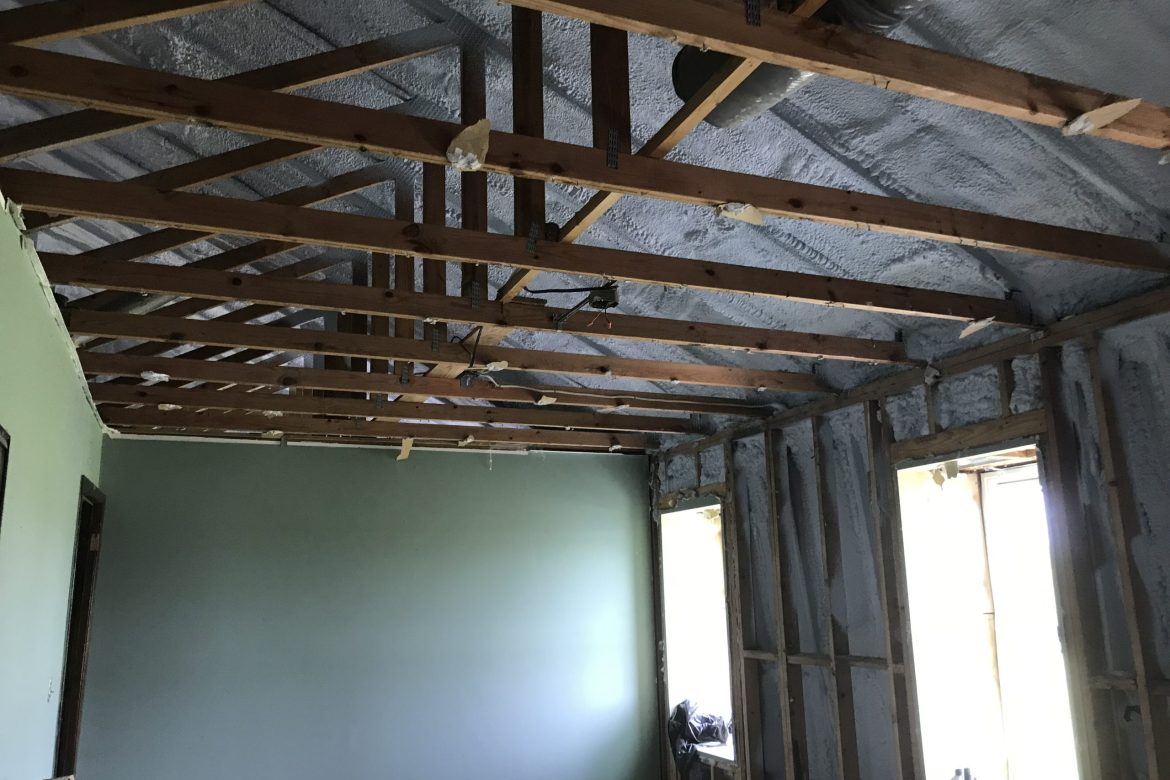
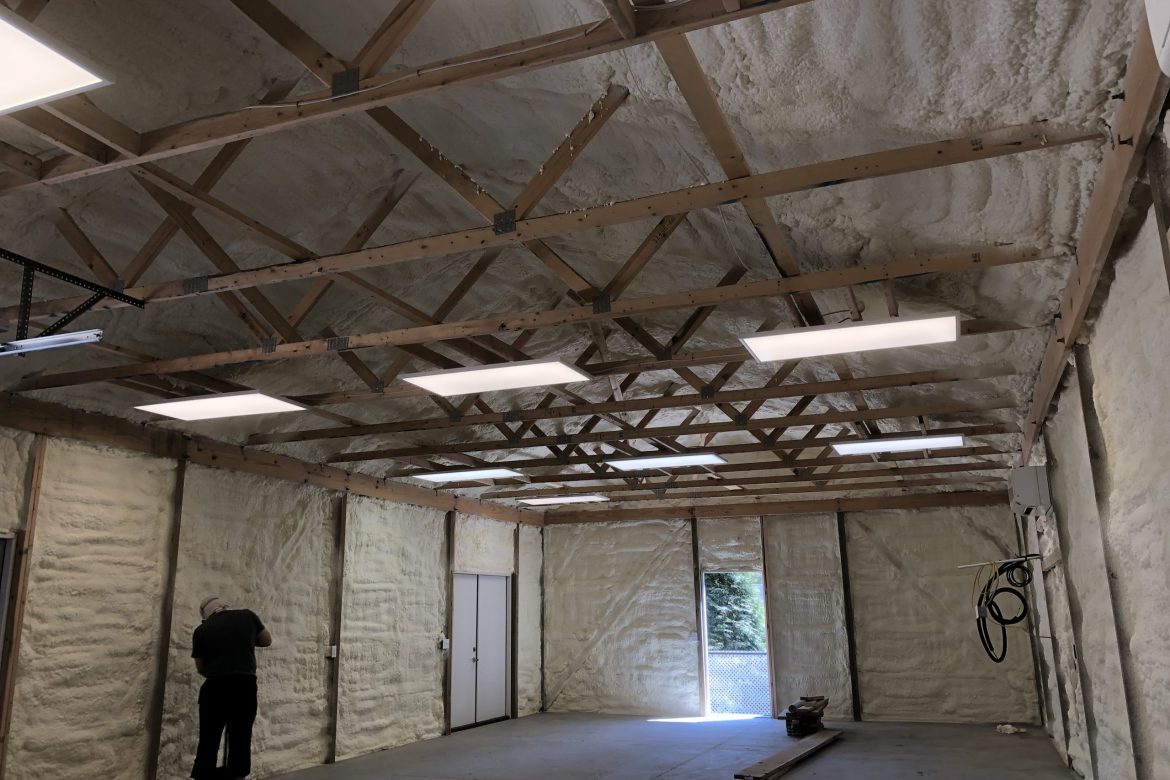
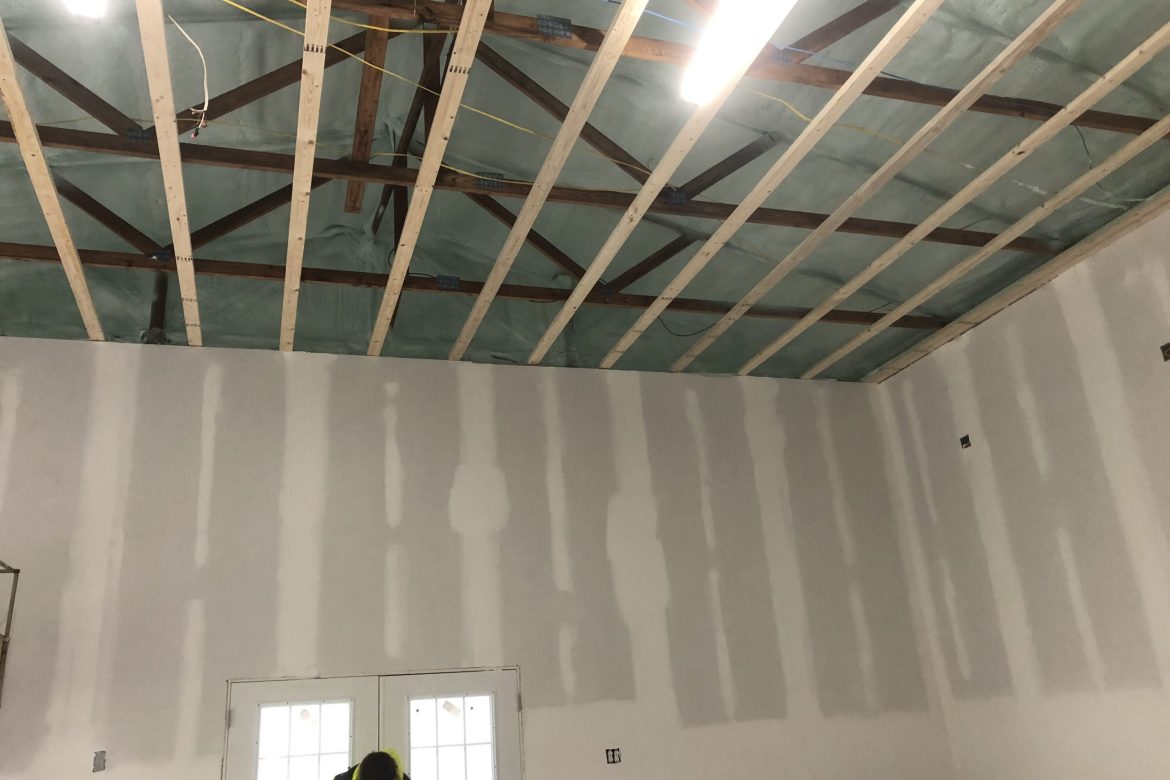
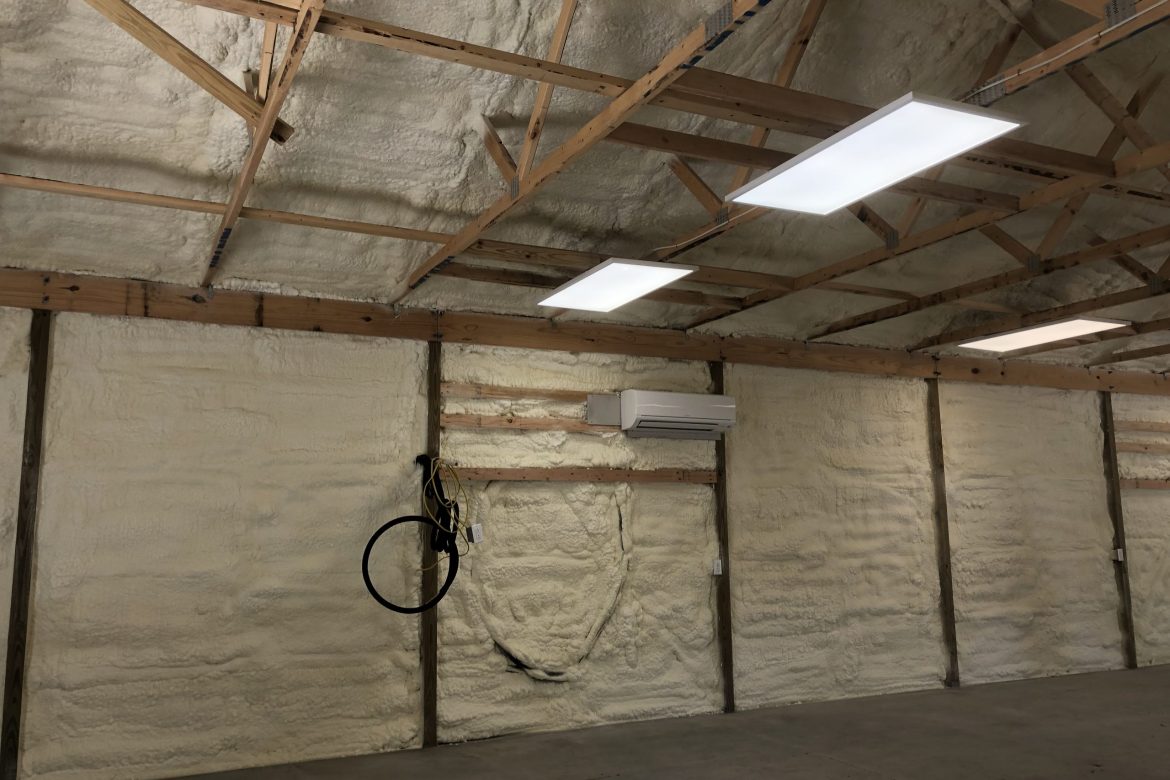
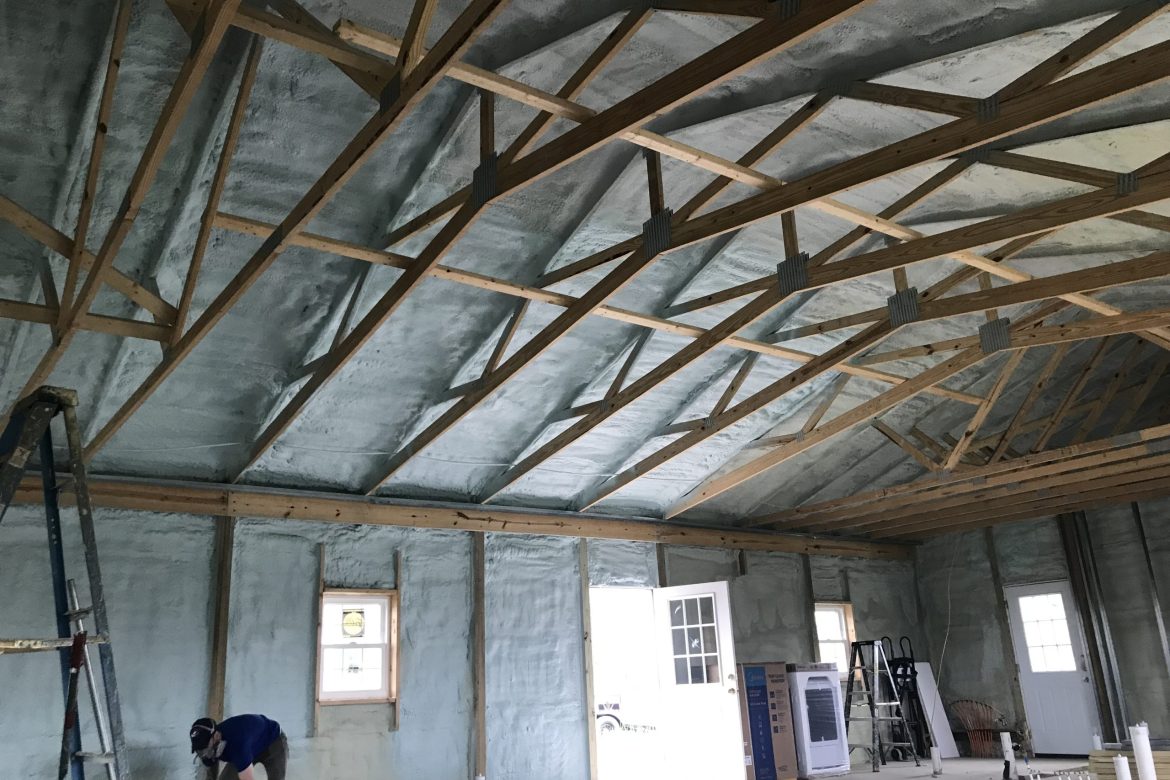
In residential projects, closed-cell and open-cell spray foam insulation offer distinct advantages, catering to varying needs and preferences. Closed-cell spray foam, known for its dense, rigid structure, excels in providing exceptional thermal resistance and structural reinforcement. Applied within walls, attics, and crawl spaces, it forms an impermeable barrier that effectively seals off drafts and thermal leaks, reducing energy consumption and enhancing indoor comfort.
Its robust nature also adds strength to the building envelope, mitigating the risk of moisture infiltration and mold growth while improving structural integrity. Conversely, open-cell spray foam offers a softer, more flexible structure, expanding to fill cavities and irregular spaces. While it may not provide the same level of structural support as closed-cell foam, open-cell spray foam boasts superior sound absorption qualities and a more cost-effective price point. Ideal for interior applications such as wall cavities and ceilings, it enhances indoor air quality and moisture management, contributing to a healthier living environment.
Ultimately, the choice between closed-cell and open-cell spray foam depends on specific project requirements, with closed-cell offering unparalleled thermal performance and structural reinforcement, while open-cell provides excellent sound absorption and cost-effectiveness. Both options add significant value to residential projects, offering homeowners energy savings, comfort, and long-term durability tailored to their unique needs.
Spray Foam